
Trees
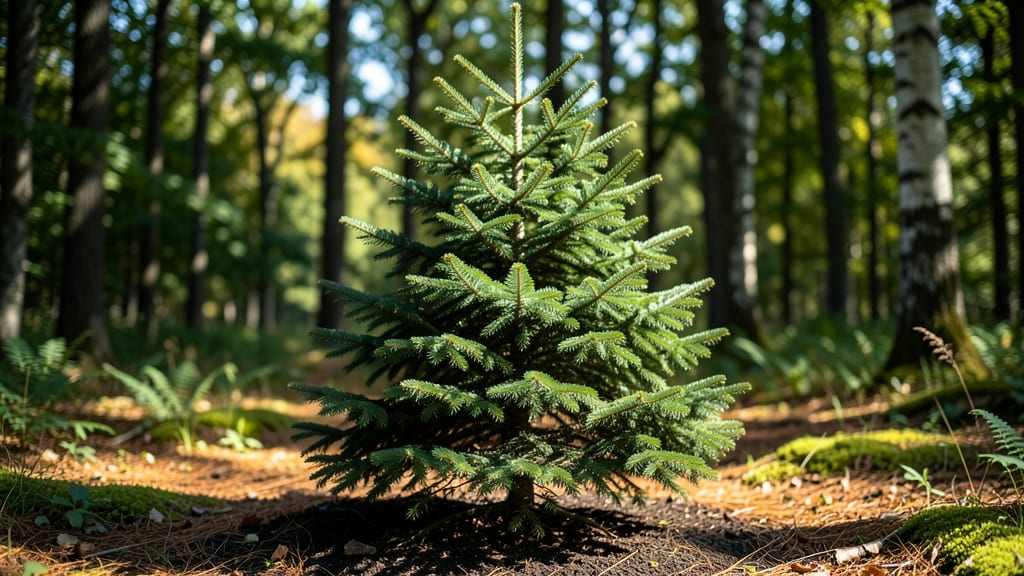
The balsam fir Christmas tree scent comes from its natural terpenes and oils, which create that fresh, forest-like aroma with bright pine and citrus notes. These aromatic compounds intensify when needles are warmed or crushed, making the scent especially potent during holiday decorating. To keep that magical fragrance alive, store your tree in a cool, dry place or use balsam fir essential oil diffusers.
The balsam fir's signature holiday aroma isn't just nostalgic—it's science in action. 🌲 The tree's needles contain alpha-pinene (that crisp pine note) and limonene (the citrusy brightness), which evaporate more quickly when exposed to warmth.
Unlike other evergreens, balsam fir's scent profile includes subtle herbal undertones that make it uniquely comforting. I've noticed this effect most dramatically when placing fresh branches near a fireplace—the heat releases those compounds like a natural air freshener.
For maximum scent preservation, try these pro tips: Place your tree near a gentle heat source (like a lamp) to enhance aroma without drying the needles, or create DIY scent boosters by simmering balsam fir clippings with cinnamon sticks. 💫 Many people also swear by placing cedar blocks near their tree—they absorb moisture while adding their own woodsy notes.
The key is working with the tree's natural chemistry rather than fighting it.
💡 In This Article
- Science Behind Balsam Fir’s Signature Scent
- Tips to Extend Balsam Fir Scent in Your Home
Science behind balsam fir’s signature scent
The balsam fir's iconic holiday aroma comes from a complex blend of volatile organic compounds (VOCs) that scientists classify as terpenes and terpenoids. The most prominent is alpha-pinene, which makes up about 30-40% of its essential oil and delivers that sharp, clean pine scent we associate with Christmas.
But what sets balsam fir apart is its limonene content (10-15%), creating those bright citrusy undertones that regular pine trees lack. These compounds are stored in specialized cells called resin ducts within the needles, where they remain stable until physical stress or heat triggers their release.
The scent intensification happens through a process called volatilization—when you crush needles or expose them to warmth (like a fireplace), the cell walls rupture and these compounds evaporate as gases.
At room temperature, balsam fir releases about 0.5-1.2 milligrams of aroma per hour per kilogram of needles, but this rate doubles when near 75-85°F heat sources. That's why freshly cut branches smell strongest in warm rooms!
The tree's camphene content (5-8%) adds a medicinal, slightly sweet note that rounds out the profile—something absent in spruce trees which have more beta-phellandrene giving them a sharper, more resinous smell.
What makes balsam fir's scent uniquely comforting is its low myrcene content compared to other evergreens. Myrcene is the compound that gives some pines their earthy, almost musky quality—balsam fir has only traces (1-2%), which prevents that scent from becoming overpowering.
Instead, the alpha-terpineol (found in 3-5% concentration) creates that warm, slightly floral undertone that makes the aroma so inviting. This chemical balance is what aromatherapists call a "harmonious blend"—each compound enhances the others without clashing.
Interestingly, the scent profile changes slightly with the tree's age. Young balsam firs (under 5 years old) have 20-30% higher limonene content than mature trees, which is why freshly cut Christmas trees often smell brighter and more citrusy.
The older needles contain more sesquiterpenes like caryophyllene, adding subtle spicy notes that develop over time. This is why some Christmas tree farms recommend cutting trees 2-3 days before transport—it allows the freshest scent compounds to develop fully.
For those curious about the science at home, try this experiment: Place a small bundle of fresh balsam fir needles in a sealed jar with a hot water bath (100-110°F) for 10 minutes.
The steam will accelerate volatilization, releasing enough scent compounds to fill a room with that authentic forest aroma. The key is moderate heat—exceeding 120°F starts breaking down the more delicate citrus notes, leaving only the piney base compounds behind.
What most people don't realize is how the scent interacts with our brains. The limonene in balsam fir stimulates the same neural pathways as citrus fruits, triggering feelings of freshness, while the alpha-pinene activates the olfactory bulb's pineal gland connection, which is why the scent feels so inherently comforting.
This chemical synergy is what makes balsam fir the most universally liked Christmas tree scent—it's not just about the aroma, but how it makes us feel. 🌲