
Planting
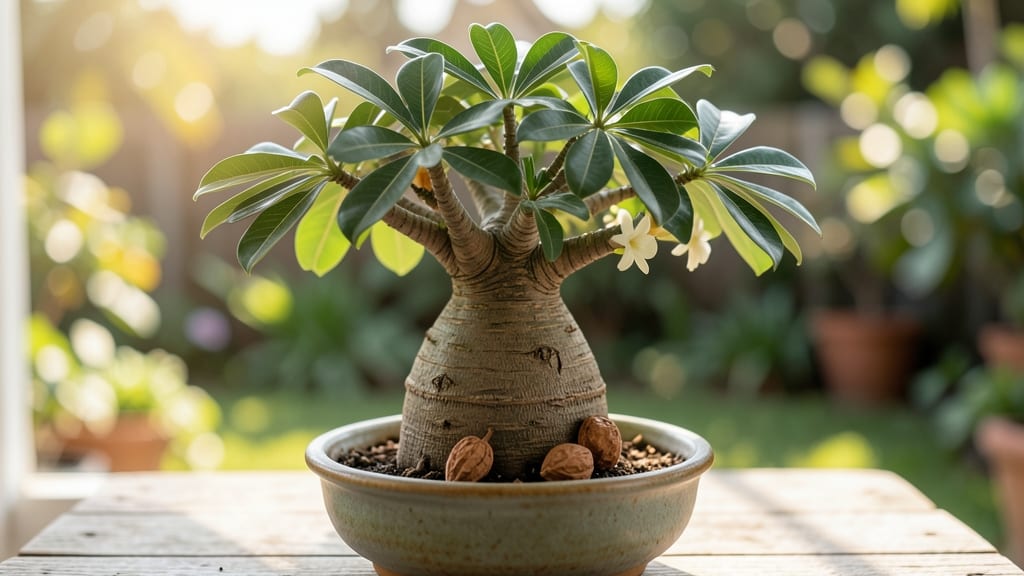
Growing a baobab tree indoors feels like taming a desert giant—it’s stubborn, slow, and absolutely worth the effort. 🌵 These ancient-looking plants thrive as houseplants when you mimic their arid African homeland, and the results are shockingly satisfying: thick, gnarled trunks and glossy, paddle-shaped leaves that look like something from another planet.
The key to success is sunlight, soil, and patience. Place yours in the brightest spot you have—south- or west-facing windows get it closest to its natural habitat. Use a fast-draining cactus or succulent mix, and skip the watering can unless the soil is bone-dry.
Overwatering is the #1 killer, but don’t stress: these plants store water in their trunks like built-in reservoirs.
With the right care, your baobab will grow into a striking centerpiece, its branches reaching toward the ceiling like an ancient sentinel.
The first year is all about establishing roots, but by year two, you’ll see real character develop—those iconic twisted trunks and the satisfying weight of a plant that feels like it’s been there for centuries.
Perfect for collectors who love dramatic plants or anyone who wants a conversation starter that doesn’t need constant attention. Just remember: this isn’t a fast-growing fad plant—it’s a long-term investment in living art.
📚 In This Guide
- What you need
- Instructions
- Tips and common mistakes
- Wrapping up and next steps
What you need
- ● Baobab seeds: 2–5 seeds (ensure they’re fresh or pre-soaked for faster germination).
- ● Well-draining potting mix: 2–3 gallons of a blend like cactus/succulent soil + perlite/pumice (1:1 ratio). Pro tip: Add a handful of coarse sand for extra drainage! 💡
- ○ Pot: 1–2 containers (5–7 inches in diameter) with drainage holes. Optional: Terracotta pots help prevent root rot.
- ● Watering can or spray bottle: For gentle hydration (baobabs hate soggy roots!).
- ● Grow lights or sunny windowsill: A south-facing window or LED grow light (12+ hours/day for seedlings).
- ● Fertilizer: Balanced, water-soluble fertilizer (5-5-5 or 10-10-10) for slow feeders.
- ○ Basic tools: Small trowel, gloves (optional but handy!), and a knife for seed scarification.
- ● Humidity dome or plastic wrap: To keep seeds cozy during germination.
- ● Patience: Baobabs grow slowly—think years, not months! ☕⏳
- ● Slow-release fertilizer pellets for convenience.
- ● Moisture meter to monitor soil dryness.
- ● Decorative stones or mulch to enhance drainage and aesthetics.
- ● Support stakes (for mature plants—baobabs can get top-heavy!).
Step-by-step instructions for growing a baobab tree as a house plant
This ancient-looking plant thrives indoors with the right care—here’s how to coax its striking form indoors.
🪴 Step 1: Choose the Right Container and Soil
Baobab trees need room to grow, so start with a 12-14 inch diameter pot with drainage holes. I use a terracotta container because it breathes and prevents root rot, which is a common issue with these thirsty plants. The soil should be a fast-draining cactus/succulent mix—never garden soil, as it retains too much moisture and suffocates roots.
Fill the pot with the mix, leaving 2 inches of space at the top for watering. Tap the container gently to settle the soil, then add a 1-inch layer of small gravel at the bottom for extra drainage. The key here is preventing soggy roots; baobabs store water in their thick trunks, so they despise wet feet.
☀️ Step 2: Position for Maximum Light
Place your baobab in the brightest spot you have—south or west-facing windows are ideal. These plants need 6-8 hours of direct sunlight daily to thrive. If your home lacks strong natural light, supplement with a full-spectrum LED grow light kept 12-18 inches away for 12-14 hours per day. Without enough light, the trunk will grow spindly and weak.
Watch for signs of insufficient light: leggy growth, pale leaves, or stems stretching toward the window. Rotate the pot a quarter turn weekly so the plant grows evenly. Baobabs are slow to adjust, so sudden light changes can stress them—introduce new light conditions gradually over 7-10 days.
💧 Step 3: Water Deeply but Infrequently
Water your baobab only when the top 3-4 inches of soil are completely dry. Stick your finger in the soil—if it feels dry to the touch, it’s time to water. When you do water, soak the soil thoroughly until water runs out the drainage holes. Empty the saucer afterward to prevent root rot. Overwatering is the fastest way to kill a baobab, so resist the urge to water on a schedule.
In winter, when growth slows, reduce watering to every 3-4 weeks. The thick trunk stores moisture, so drought-like conditions mimic its natural habitat. Yellowing leaves often signal overwatering, while wrinkled or shriveled leaves mean it’s thirsty. Adjust your routine based on these visual cues—baobabs are forgiving if you correct mistakes quickly.
✂️ Step 4: Prune and Encourage Strong Growth
Baobabs rarely need pruning, but you can trim leggy or overcrowded branches in late winter or early spring. Use sterilized pruning shears to make clean cuts just above a leaf node. Avoid heavy pruning—these plants grow slowly, and aggressive cuts can stress them. Remove only dead, diseased, or crossing branches to maintain the tree’s iconic shape.
If your baobab develops multiple trunks, let them grow—this is natural and adds to its character. However, if one trunk dominates, you can thin the smaller ones at the base to redirect energy to the stronger stem. Fertilize lightly in spring with a balanced, water-soluble fertilizer diluted to half strength. Too much fertilizer burns roots, so feed sparingly—once every 4-6 weeks during the growing season.
🌿 Step 5: Monitor for Pests and Adjust Care
Check your baobab monthly for mealybugs, scale, or spider mites, which thrive in dry conditions. Wipe leaves with a damp cloth to remove dust and deter pests. If you spot infestations, treat with neem oil (mixed with water) or insecticidal soap, applying it in the evening to avoid leaf burn from sunlight.
Baobabs are low-maintenance once established, but they reward patience. In 3-5 years, you’ll see the thick, gnarled trunk and small, spiky leaves that make them so unique. If your plant outgrows its pot, repot in spring using the same fast-draining mix. Handle the pot carefully—baobabs are top-heavy and can tip over if roots are disturbed too much during repotting.
Tips & tricks for perfect baobab tree house plant care
Here's what nobody tells you about keeping this ancient beauty thriving indoors—details that make all the difference.
Container and Drainage Wisdom: The 12-14 inch pot size is non-negotiable for young baobabs—they need space to develop that iconic thick trunk. If you're tempted to go smaller, resist! I've seen these plants struggle in anything under 12 inches, with stunted growth and poor root development. The terracotta material isn't just decorative—it helps regulate moisture levels, preventing the root rot that claims so many baobabs. Pro tip: Place your pot on a saucer with pebbles and water to increase humidity around the base without soggy soil.
Light Transition Strategy: That 7-10 day gradual adjustment period for light changes is crucial—baobabs are sensitive to abrupt shifts. If you move your plant from a dim corner to bright sunlight, do it incrementally. Start with 1 hour of direct light on day 1, then add 1-2 hours daily until reaching the full 6-8 hours. Watch for leaf curling or drooping as warning signs you're moving too fast. The 12-14 hour grow light period is your safety net for winter months when natural light dwindles.
Watering Technique: The finger test for soil dryness is your best friend, but here's the secret: press your finger about 2 inches deep—not just at the surface. Baobabs store water in their trunks, so surface moisture can be deceiving. When watering, pour slowly until you see water emerge from the drainage holes. This ensures the entire root system gets hydrated, not just the top layer. In winter, I often find the soil stays dry longer than expected—don't rush to water just because your summer routine says it's time.
Pruning and Fertilizing: When thinning those smaller trunks, make your cuts at a 45-degree angle just above a leaf node—this prevents water from pooling and causing rot. For fertilizing, I've found that half-strength applications every 6 weeks during spring and summer give just enough nutrients without overwhelming the plant. The key is consistency: better to under-fertilize slightly than risk burning those delicate roots. And remember, baobabs grow slowly—patience is your greatest ally in developing that magnificent trunk.
Pro Tips for Baobab Tree House Plant
- Here's what nobody tells you about keeping this ancient beauty thriving indoors—details that make all the difference.
- Container and Drainage Wisdom: The 12-14 inch pot size is non-negotiable for young baobabs—they need space to develop that iconic thick trunk.
- Light Transition Strategy: That 7-10 day gradual adjustment period for light changes is crucial—baobabs are sensitive to abrupt shifts.
Frequently asked questions
Got questions about keeping your baobab tree house plant thriving? You’re not alone—these unique plants can be tricky! Here are answers to the most common queries to help you care for your leafy giant with confidence.
How much sunlight does a baobab tree house plant really need?
A minimum of 6 hours of direct sunlight daily is ideal, but these plants thrive with full sun (8+ hours). If indoors, place it near a south-facing window or use a grow light. Yellowing leaves? It might be craving more light—rotate the pot occasionally for even exposure!
Can a baobab tree house plant survive indoors in winter?
Yes, but it’s dormant-friendly! Reduce watering (let soil dry completely between waterings) and keep it in a cooler spot (50–60°F). Avoid drafts or sudden temperature swings—no central heating blasts! If leaves drop, it’s likely adjusting to lower light and temps.
How often should I water my baobab tree house plant?
Water deeply but infrequently: every 2–3 weeks in summer, and monthly or less in winter. Stick your finger 2 inches into the soil—if it’s dry, water thoroughly until it drains from the bottom. Overwatering kills! These plants store water in their trunks, so drought tolerance is key.
What if my baobab tree house plant loses all its leaves?
Don’t panic—it’s normal! Baobabs shed leaves in low light or winter dormancy. Focus on light, warmth, and patience. New growth (and leaves!) should return in spring. If the trunk stays firm, the plant is alive and just taking a break.
Are there smaller baobab alternatives for apartments?
If space is tight, consider these low-maintenance, drought-tolerant lookalikes:
- Jade Plant (Crassula ovata) – Succulent with a tree-like shape.
- Ponytail Palm (Beaucarnea recurvata) – Stores water like a baobab, but with strappy leaves.
- Elephant Bush (Portulacaria afra) – Compact, glossy, and thrives in bright light.
Wrapping up and next steps
Growing a baobab tree house plant is a rewarding journey—whether you're drawn to its striking looks or fascinated by its resilience. This miniature powerhouse thrives with the right care, from bright, indirect light to well-draining soil, making it a perfect fit for sun-loving plant enthusiasts. 🌿
Ready to bring this unique beauty into your home? Start by gathering your supplies, follow the care tips, and watch your baobab flourish. Next up: Place your plant in its sunny spot, water it wisely, and enjoy the satisfaction of nurturing a living piece of art! 🌟