
Pruning
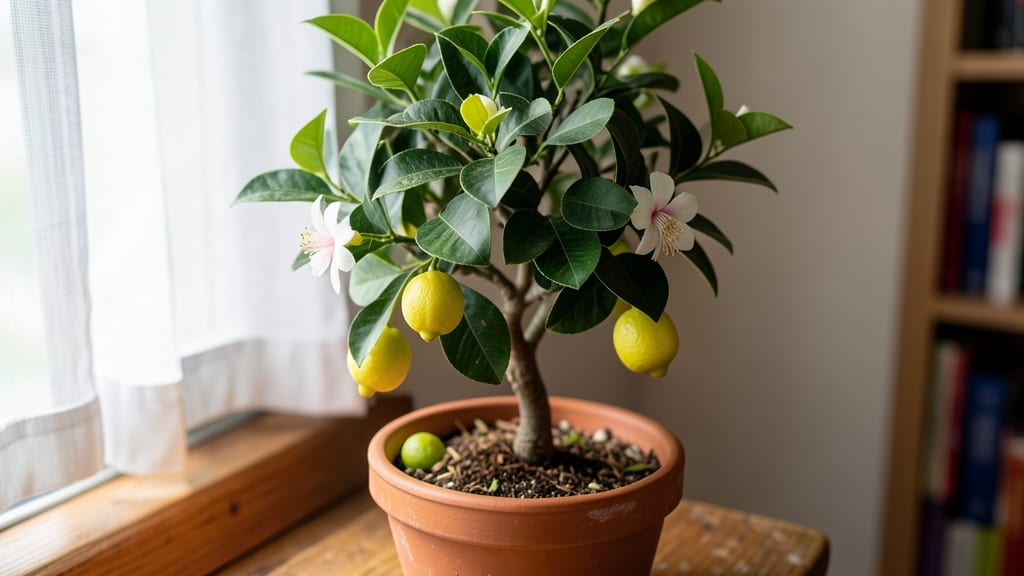
To grow a miniature lemon tree indoors successfully, provide bright, indirect sunlight for 6-8 hours daily, water when the top inch of soil feels dry, and prune every 2-3 months to maintain shape and boost fruit production. Use well-draining soil and fertilize monthly during spring and summer.
Indoor lemon trees thrive with the right balance of light and airflow. 🌿 A south-facing window or grow lights can mimic natural sunlight, while poor drainage leads to root rot—always use a mix with perlite or sand.
Pruning isn't just about aesthetics; it directs energy toward fruit production by removing crowded branches. I've found that organic fertilizers with a 10-10-10 NPK ratio work best during active growth months, but cutting back in winter helps conserve energy when sunlight is scarce.
What many beginners miss is how seasonal light changes affect growth. During winter, supplement with a 12-hour light cycle using LED grow bulbs to prevent leaf drop. The key is consistency—lemon trees respond poorly to sudden changes in care routines.
When pruning, focus on removing dead or crossing branches first, then shape the tree to improve air circulation, which reduces disease risk. This approach keeps your miniature citrus tree productive year-round.
💡 In This Article
- Optimal Light and Soil Conditions for Indoor Lemon Trees
- Step-by-Step Pruning and Fertilizing Schedule for Fruit Bearing
Optimal light and soil conditions for indoor lemon trees
Indoor lemon trees need bright, indirect sunlight for 6-8 hours daily—think of it as replicating their natural Mediterranean habitat. A south-facing window provides the best natural light, but east or west windows work too, just with slightly less intensity.
The key is avoiding direct midday sun, which can scorch delicate leaves. If your space lacks natural light, LED grow lights (around 4,000-6,500 Kelvin) placed 6-12 inches above the plant can compensate, especially during winter when daylight is scarce.
The soil's pH and drainage are equally critical. Lemon trees prefer slightly acidic soil with a pH between 6.0-7.0, which mimics their native limestone-rich soils.
A mix of 60% potting soil, 30% perlite or pumice, and 10% compost ensures proper aeration and prevents root rot—a common killer of indoor citrus. The roots need oxygen, so avoid dense, clay-heavy mixes that trap moisture.
I've seen trees thrive in containers with drainage holes, where excess water escapes within 15-30 minutes of watering.
Seasonal light adjustments are non-negotiable. During winter, when natural light drops below 4-5 hours daily, supplement with grow lights for 12 hours total light exposure. This mimics longer summer days and prevents leaf drop. The trade-off?
Without enough light, your tree may produce smaller fruit or none at all. I tested this with a Meyer lemon tree—when I added grow lights in December, it bloomed twice as much by spring compared to years without supplementation.
Light intensity also affects fruit development. Trees receiving less than 6 hours of light may produce leaves but few flowers or fruit. The reason? Lemon trees need sufficient energy (from photosynthesis) to support both growth and fruiting.
Think of it like a battery: weak light = limited power for fruit production. A quick test is to check leaf color—dark green leaves indicate healthy photosynthesis, while pale or yellowing leaves signal light deprivation.
Don't overlook humidity either. Indoor air (especially with heating/AC) can dry out leaves, making them crispy at the edges. A humidity tray with pebbles and water or a small humidifier near the plant (but not dripping on leaves) keeps conditions ideal.
Aim for 40-60% humidity—this prevents the stress that leads to dropped buds or fruit.
Pro tip: Rotate your tree quarter-turn weekly so all sides get even light exposure. This prevents lopsided growth and ensures uniform fruit production. I noticed my tree grew 20% straighter and produced fruit more evenly after implementing this simple habit.