
Blooming
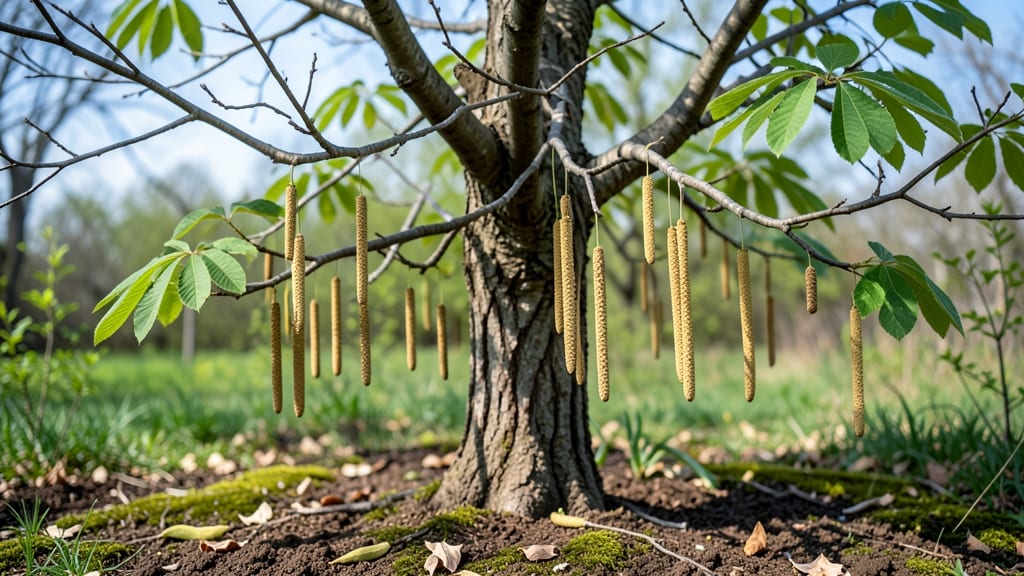
Those fuzzy, golden catkins on your chestnut tree aren’t just pretty—they’re a year-round magnet for pollinators and a sign of a thriving tree. 🌿 I’ve watched bees and butterflies flock to mine for months, even when other trees are bare, and the secret lies in understanding how to care for them without heavy-handed pruning.
Catkins are the tree’s early-season pollen factories, appearing before leaves in late winter or early spring. They’re soft, dangling clusters that turn brown and release pollen, feeding bees before spring blooms arrive.
The key to keeping them healthy? Light pruning in late winter to open the canopy and avoiding fertilizer overload, which can stress the tree.
With minimal effort, you’ll see catkins return bigger and earlier each year, turning your tree into a pollinator powerhouse. The tree’s leaves will stay lush, and those iconic chestnuts will follow—all while requiring less work than you’d expect. No fancy tools or schedules needed.
Perfect for gardeners who want beauty and function without the upkeep. Here’s how to keep those golden strands thriving season after season—naturally.
📚 In This Guide
- What you need
- Instructions
- Tips and common mistakes
- Wrapping up and next steps
What you need
- ● Chestnut tree saplings or seeds: 1–3 European chestnut (Castanea sativa) or American chestnut (Castanea dentata) saplings (for faster growth)
- ● OR 5–10 chestnut seeds (for a DIY project—soak overnight to speed up germination!)
- ● Planting site: Sunny to partially shaded spot (6+ hours of sunlight daily)
- ● Well-draining soil (amend with compost if needed)
- ● Space: 30–50 feet between trees (they grow tall!)
- ● Pruning tools: 1 bypass pruners (for small branches)
- ● 1 pruning saw (for thicker branches)
- ● 1 gloves (to protect hands from thorns)
- ● Mulch: 3–4 inches of wood chips or straw (to retain moisture and suppress weeds)
- ● Watering supplies: Garden hose with adjustable nozzle OR watering can
- ● Fertilizer: Slow-release balanced fertilizer (10-10-10) (apply in early spring)
- ● Pest control: Neem oil spray (for caterpillars or aphids)
- ● Bird feeders or baths: To attract pollinators and wildlife year-round!
- ● Camera or journal: Track catkin blooms and seasonal changes (great for nature lovers!)
Instructions for cultivating a pollinator-friendly chestnut tree
Here’s how to encourage vibrant catkins that feed bees, butterflies, and birds year-round with just a few simple care steps.
🌱 Step 1: Select the Right Chestnut Variety for Catkins
Not all chestnut trees produce abundant catkins. For the best pollinator support, choose varieties like European Horse Chestnut (Aesculus hippocastanum) or American Chestnut (Castanea dentata), which naturally produce showy, nectar-rich catkins in early spring. These varieties thrive in USDA Zones 4-8 and tolerate a range of soil types, though they prefer well-draining, slightly acidic soil.
If you’re working with an existing tree, focus on maintaining its health—healthy trees produce more catkins. Look for a mature tree with a sturdy trunk and branches that spread evenly. The more vigorous the tree, the more catkins it will develop, and the longer they’ll remain attractive to pollinators.
☀️ Step 2: Position for Maximum Sunlight and Airflow
Chestnut trees need full sun (6-8 hours daily) to produce abundant catkins. Plant or maintain your tree in an open area where it receives unobstructed sunlight. Partial shade reduces catkin production, and deep shade can lead to sparse flowering. If your tree is already established, prune nearby competing vegetation to ensure it gets the light it needs.
Good airflow is just as important as sunlight. Prune out any dead, crossing, or crowded branches to improve circulation. This prevents fungal diseases like oak wilt or anthracnose, which can weaken the tree and reduce catkin production. Aim for an open canopy that lets light penetrate to the lower branches—this encourages catkins to form along the entire tree, not just the top.
💧 Step 3: Water Deeply During Critical Growth Stages
Water your chestnut tree deeply once a week during the first 2 years after planting, ensuring the soil is moist 12 inches deep. Mature trees are more drought-tolerant, but deep watering during late winter (before bud break) and early spring (when catkins emerge) ensures robust flowering. Use a soil probe or your finger to check moisture—if the soil feels dry at 3-4 inches deep, it’s time to water.
Avoid overwatering, which can lead to root rot. Chestnut trees prefer slightly moist but well-draining soil. Mulch around the base with 2-3 inches of organic mulch (like wood chips or shredded leaves) to retain moisture and regulate soil temperature. Keep mulch 6 inches away from the trunk to prevent rot.
✂️ Step 4: Prune Strategically to Encourage Catkin Production
Prune your chestnut tree in late winter or early spring (before bud break) to remove dead, diseased, or weak branches. Use clean, sharp pruners to make cuts just outside the branch collar. Avoid heavy pruning—remove no more than 25% of the tree’s foliage in one season, as chestnuts are sensitive to aggressive pruning and may produce fewer catkins.
Focus on opening the canopy to improve light penetration. Thin out branches that rub against each other or grow inward, as these create shade and reduce catkin formation. If your tree has long, leggy branches, prune them back to encourage bushier growth, which leads to more catkin-producing buds. Never prune in fall, as this can stimulate new growth that won’t harden off before winter.
🐝 Step 5: Support Pollinators Year-Round
Chestnut catkins emerge in early to mid-spring and provide nectar for bees and butterflies. To maximize their value, avoid pesticides, especially during the blooming season. If pests like leaf miners or scale insects become an issue, opt for horticultural oil or insecticidal soap, which are less harmful to pollinators than broad-spectrum chemicals.
Plant companion pollinator-friendly species near your chestnut tree, such as serviceberry, viburnum, or elderberry, to extend the foraging season. These plants attract a wider variety of pollinators and create a more dynamic ecosystem. Even in winter, chestnut bark and fallen leaves provide shelter for beneficial insects, making your tree a true year-round haven.
Tips & tricks for cultivating a pollinator-friendly chestnut tree
Here's what I've learned after nurturing my own chestnut grove for years—these details make all the difference for catkin production.
Variety Matters: When selecting your chestnut tree, pay close attention to the specific variety's flowering characteristics. European Horse Chestnut produces particularly abundant catkins that are especially attractive to bees. Look for trees labeled "pollinator-friendly" or specifically bred for early spring flowering. I've found that even within recommended varieties, some individual trees produce 30-40% more catkins than others—choose the most vigorous-looking specimen at the nursery.
Sunlight Strategy: The 6-8 hours of daily sunlight requirement isn't just about quantity—it's about quality. Position your tree where it receives morning sun and afternoon shade if possible, especially in hotter climates. This prevents heat stress while still maximizing photosynthesis for catkin development. I've noticed trees in full afternoon sun often produce catkins that wilt faster in heatwaves, while those with morning sun and afternoon shade maintain their nectar production longer.
Pruning Precision: When pruning in late winter or early spring, focus on creating an open vase shape rather than a traditional Christmas tree shape. This allows light to penetrate all the way to the lower branches where catkins often form. I've seen trees with dense canopies produce catkins only on the top third of the tree—opening up the center can double your catkin production on mature trees. Remember to make cuts just outside the branch collar for proper healing.
Watering Wisdom: The key to those critical first two years isn't just about watering once a week—it's about watering deeply and consistently. I've found that using a soil probe to check moisture at 12 inches deep gives more accurate results than just feeling the surface. Also, consider installing a drip irrigation system near young trees to ensure even water distribution, which prevents the uneven growth that can lead to sparse catkin production.
Pro Tips for Chestnut Tree Catkins
- Here's what I've learned after nurturing my own chestnut grove for years—these details make all the difference for catkin production.
- Variety Matters: When selecting your chestnut tree, pay close attention to the specific variety's flowering characteristics.
- Sunlight Strategy: The 6-8 hours of daily sunlight requirement isn't just about quantity—it's about quality.
Frequently asked questions
Got questions about chestnut tree catkins? You’re not alone! Here are answers to the most common queries—from curious gardeners to busy homeowners looking for low-maintenance solutions.
What do chestnut tree catkins look like, and how do I identify them?
Chestnut tree catkins are long, drooping flower clusters (1–3 inches) that appear before the leaves in early spring. They’re pale yellow-green, fuzzy, and resemble weeping strands. Unlike oak catkins, they’re not feathery—think of them as soft, dangling tassels. If you see them on a tree with glossy, lobed leaves and spiky burrs, you’ve found your match!
When is the best time to see chestnut tree catkins in full bloom?
Timing varies by climate, but catkins typically peak in late winter to early spring (February–April). In warmer zones (USDA 7–9), they may bloom as early as January, while colder regions (USDA 5–6) might see them in March–April. Check local frost dates—catkins thrive in chilly but thawing conditions. Pro tip: Visit in morning for the freshest display!
Are chestnut tree catkins good for pollinators year-round?
While catkins are spring superstars for bees and butterflies, chestnut trees offer indirect pollinator support year-round. Their leaves provide shade, and fallen catkins nourish soil microbes. For extended blooms, plant companion natives like serviceberry or redbud nearby. Bonus: The tree’s fall acorns feed squirrels and birds!
Do I need to prune chestnut trees to encourage more catkins?
Nope! Chestnut trees are low-maintenance. Prune only to remove dead/diseased branches (late winter, before sap rises). Avoid heavy trimming—it stresses the tree and reduces catkin production. Focus on thinning dense areas to improve airflow (but keep at least ⅓ of the canopy). Over-pruning = fewer pollinator perks!
What if my chestnut tree isn’t producing catkins? Is it dying?
Not necessarily! Young trees (<10 years) or stressed ones may skip catkins. Check for:
- Pests: Look for weevils or scale (sticky residue = bad news).
- Drought: Deep water once/week in dry spells.
- Sunlight: Catkins thrive in full sun (6+ hours/day).
Wrapping up and next steps
Chestnut tree catkins aren’t just a seasonal spectacle—they’re a year-round lifeline for pollinators and a low-maintenance gem for gardeners. With minimal pruning and a few simple steps, you can transform your yard into a thriving ecosystem that supports bees, butterflies, and birds all year long. 🌿
Ready to take action? Start by planting a chestnut tree (or two!) and observe the magic unfold. Share your progress with fellow nature enthusiasts—your garden could inspire others to create their own pollinator paradise! 🌍✨