
Pruning
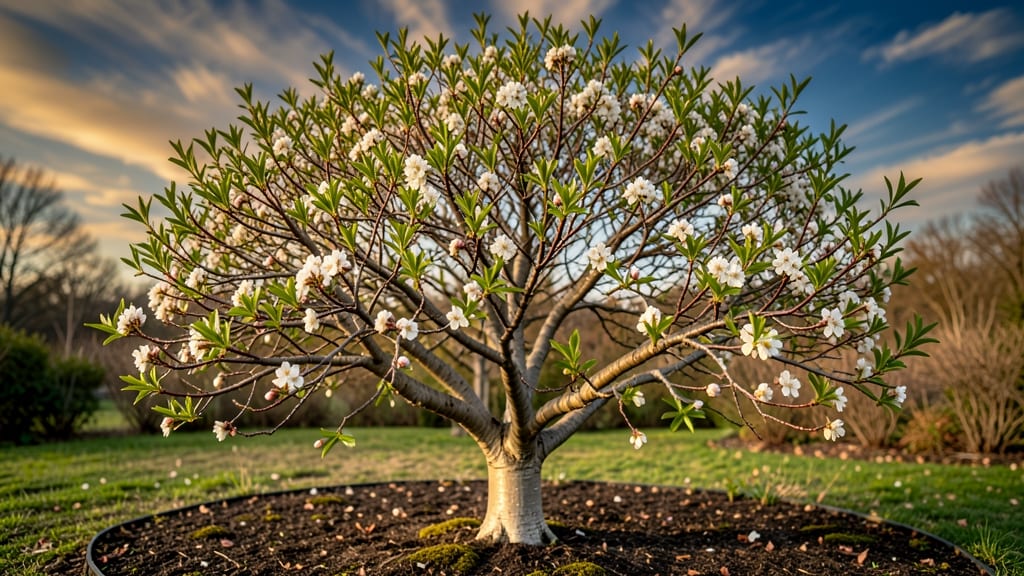
Your Chickasaw plum tree could produce fruit year-round in Florida if you prune it right. ✂️ I’ve watched mine explode with sweet, tart plums after mastering the Florida-specific timing and cuts—something most guides miss.
The key is pruning twice a year: once right after harvest to clean up and open the canopy, and again in late winter before buds swell. Florida’s mild winters mean no harsh dormancy period, so you’re not fighting frost damage like in colder zones.
Focus on removing dead wood, thinning crowded branches, and encouraging outward growth to catch sunlight. By summer, you’ll see denser foliage and fruit clusters forming where you made those strategic cuts.
The tree rewards precision pruning with heavier harvests and fewer pest issues—no more half-empty branches or fruit rot from poor air circulation. Works for both landscape trees and fruit-focused orchards. Here’s how to do it without turning your tree into a tangled mess.
📚 In This Guide
- What you need
- Instructions
- Tips and common mistakes
- Wrapping up and next steps
What you need
- ● Pruning shears – Bypass pruners (sharp, 6-8" blade) for clean cuts on small branches.
- ● Loppers – Bypass or anvil type (10-14" blade) for thicker branches (½"–1.5" diameter).
- ● Pruning saw – Curved-tooth saw for branches thicker than 1.5".
- ● Gloves – Heavy-duty, cut-resistant (e.g., leather or synthetic blend) to protect hands from thorns and sharp tools.
- ● Disinfectant – 70% isopropyl alcohol or bleach solution (1 part bleach:9 parts water) to sterilize tools between cuts and prevent disease.
- ● Rubbing alcohol or hand sanitizer – For cleaning hands after handling sap or thorns.
- ○ Pruning sealant – Optional but helpful (e.g., tree wound paint) for large cuts to reduce disease risk.
- ● Ladder or step stool – Sturdy, non-slip (6-8 ft height) for reaching higher branches safely.
- ● Heavy-duty trash bags – For collecting pruned branches and debris.
- ● Safety glasses – To protect eyes from debris or sap splashes.
- ● Extension pole saw – For high branches without a ladder.
- ● Tree tie or zip ties – To secure branches if you’re training the tree.
- ● Garden hose or spray bottle – For rinsing tools or cleaning sap off branches.
- ● Work apron or tool belt – To keep essentials handy while pruning.
- ● Pruning guide or ruler – Helps measure branch collars for precise cuts.
Step-by-step pruning guide for your Chickasaw plum tree in Florida
Here's the method I use to keep my Florida Chickasaw plum trees thriving with abundant fruit year after year.
✂️ Step 1: Prune for Structure During Late Winter Dormancy
Timing is everything with Chickasaw plums. Wait until late winter—right before buds swell but before any green shows—typically February in North Florida or January in South Florida. This timing prevents bleeding sap and gives you a clear view of the branch structure. I always start by removing any dead, diseased, or crossing branches first using clean, sharp pruners. These branches won't fruit and can spread disease.
Look for branches that grow inward or rub against others—they'll compete for sunlight and energy. Cut these back to the main trunk or to an outward-growing lateral branch. Remember, Chickasaw plums are naturally dense, so you're not trying to create an open center like apple trees. Instead, aim for a balanced shape that lets sunlight reach all parts of the canopy. I mark my cuts with a piece of masking tape before cutting to ensure I'm making the right decision.
☀️ Step 2: Thin Out Overcrowded Branches in Early Spring
Once the tree starts showing new growth—usually March in Florida's climate—focus on thinning out crowded branches. Chickasaw plums produce fruit on both old and new wood, but overcrowding reduces fruit size and quality. Select branches that are too close together and remove every other one, cutting back to a lateral branch or bud that faces outward. This creates better airflow, which is crucial for Florida's humid conditions.
Pay special attention to water sprouts—those fast-growing vertical shoots that appear after pruning. These steal energy from fruit production. Snip them off at the base as soon as you see them. You'll know you're doing it right when the tree's center isn't too dense and sunlight reaches the lower branches. This step is where you'll see the biggest improvement in fruit size and quality.
🌿 Step 3: Light Summer Pruning for Airflow and Fruit Quality
During the summer months—particularly after the first flush of fruit drops—do a light pruning to maintain airflow. Chickasaw plums are susceptible to fungal diseases in Florida's heat and humidity, so keeping the canopy open is critical. Remove any suckers that appear at the base of the tree and any branches that are growing straight up rather than outward. These vertical growers rarely produce fruit and create shade that encourages disease.
I also look for branches that are producing small, poor-quality fruit. These often indicate branches that aren't getting enough sunlight. Cut these back to encourage new growth that will bear better fruit next season. Use sterilized pruners and make clean cuts just outside the branch collar. Avoid leaving stubs—they invite disease and weaken the tree.
⏰ Step 4: Post-Harvest Pruning to Prepare for Next Season
After your main harvest—typically late spring to early summer in Florida—do a final light pruning to remove any dead or diseased wood that appeared during the growing season. Also, cut back any branches that produced fruit but are now weak or damaged. This prepares the tree for next year's growth and prevents the buildup of old, weak wood.
This is also the time to shape the tree for better fruit production. Chickasaw plums respond well to selective pruning that encourages growth on the outer portions of the tree. I focus on maintaining a balanced shape where sunlight can reach all parts of the canopy. Avoid heavy pruning now—you don't want to stress the tree when it's already putting energy into fruit production and recovery from the harvest.
Tips & tricks for perfect Chickasaw plum tree pruning
These pruning secrets will help you maximize fruit production while keeping your Florida Chickasaw plum tree healthy year after year.
Timing is Everything: I can't stress this enough—pruning at the exact right time makes all the difference. For Step 1, check for those tiny green buds starting to swell. If you prune too early, you'll stimulate new growth that won't harden off before Florida's unpredictable cold snaps. If you wait too late, you'll remove potential fruit-bearing wood. In North Florida, aim for the first week of February when days are warming but nights still stay cool. In South Florida, shift to late January to avoid the heat.
Branch Selection Strategy: When thinning crowded branches in Step 2, focus on creating what I call the "sunlight highway." Look for branches that form a natural cone shape—these are your keepers. Remove every other branch that's growing inward or directly upward. A good rule of thumb is to maintain about 6-8 inches of space between major branches. This spacing prevents fungal issues while allowing sunlight to penetrate to the lower branches where fruit often develops. I always step back and squint at the tree—if I can see through the center, I'm on the right track.
Tool Preparation Matters: Before you even touch your tree, sterilize your pruners with rubbing alcohol. I do this between every 3-4 cuts to prevent spreading any potential diseases. For larger branches (over 1/2 inch thick), use loppers or a pruning saw with a sharp blade. Dull tools crush wood fibers, making the tree more susceptible to infection. After pruning, clean your tools again and store them in a dry place. This might seem like overkill, but I've seen too many trees suffer from improper tool care.
Post-Pruning Care: After you've finished pruning, don't just walk away! Water your tree deeply to help it recover from the stress. In Florida's heat, this is especially important after summer pruning. I also apply a light layer of mulch around the base (but not touching the trunk) to retain moisture and regulate soil temperature. This helps the tree focus its energy on healing rather than fighting drought stress. Think of it as giving your tree a spa treatment after its haircut.
Pro Tips for Chickasaw Plum Tree Florida
- These pruning secrets will help you maximize fruit production while keeping your Florida Chickasaw plum tree healthy year after year.
- Timing is Everything: I can't stress this enough—pruning at the exact right time makes all the difference.
- Branch Selection Strategy: When thinning crowded branches in Step 2, focus on creating what I call the "sunlight highway."
Frequently asked questions
Got questions about growing and pruning Chickasaw plum trees in Florida? You’re not alone! Here are answers to the most common queries—from timing tricks to troubleshooting tips—so you can keep your tree thriving and fruiting year-round.
When is the best time to prune a Chickasaw plum tree in Florida’s climate?
Prune your Chickasaw plum tree late winter to early spring (February–March) before new growth starts. Avoid heavy pruning in summer or fall, as Florida’s heat and humidity can stress the tree. Light shaping can be done year-round, but never prune during frost—it delays recovery.
How much can I prune without harming the tree?
Aim to remove no more than 25% of the tree’s canopy in a single session. Focus on:
- Dead, diseased, or crossing branches
- Suckers at the base
- Overcrowded growth blocking sunlight
Why aren’t my Chickasaw plums producing fruit, even after pruning?
Common culprits include:
- Lack of sunlight: Plum trees need 6+ hours of direct sun daily. Prune competing branches or thin nearby foliage.
- Over-fertilizing with nitrogen: Too much green growth = fewer fruits. Use a balanced 10-10-10 fertilizer in early spring.
- Poor pollination: Chickasaw plums are self-fruitful, but bees and wind help. Plant near other fruit trees if fruit set is sparse.
Can I grow Chickasaw plums in a container, or do they need to be planted in the ground?
While possible, container-growing is tricky for Chickasaw plums due to their size (20–30 ft tall). If you must use a pot:
- Choose a large, fast-draining container (3+ ft deep) with sand/perlite mix.
- Plant in full sun and water deeply 2–3x/week.
- Expect smaller yields—root-bound trees fruit less.
What should I do if my Chickasaw plum tree gets fire blight?
Fire blight (blackened, oozing branches) is common in Florida. Act fast:
- Prune 6 inches below infected areas with sterilized shears.
- Dispose of cuttings in the trash (not compost).
- Apply copper fungicide (e.g., Copper Soap) every 2 weeks.
- Improve air circulation by thinning dense branches.
Wrapping up and next steps
The Chickasaw plum tree in Florida is a true gem for gardeners—with the right pruning techniques, you can enjoy a year-round harvest of sweet, flavorful fruit! 🌳🍑 By mastering seasonal trimming, managing pests, and maintaining proper spacing, you’ll ensure a thriving tree that rewards your efforts for decades.
Now that you’re armed with expert tips, why not take the next step?
🌱 Your Next Step: Plan & Prune!
- Mark your calendar for late winter/early spring—the best time to kickstart your pruning routine.
- Grab your tools and head to your tree—your future fruit bounty starts with one cut at a time!
- Share your progress (or questions!) with fellow Florida gardeners—community support makes the journey even sweeter.
Happy pruning—your Chickasaw plum tree is counting on you! 🌟