
Pruning
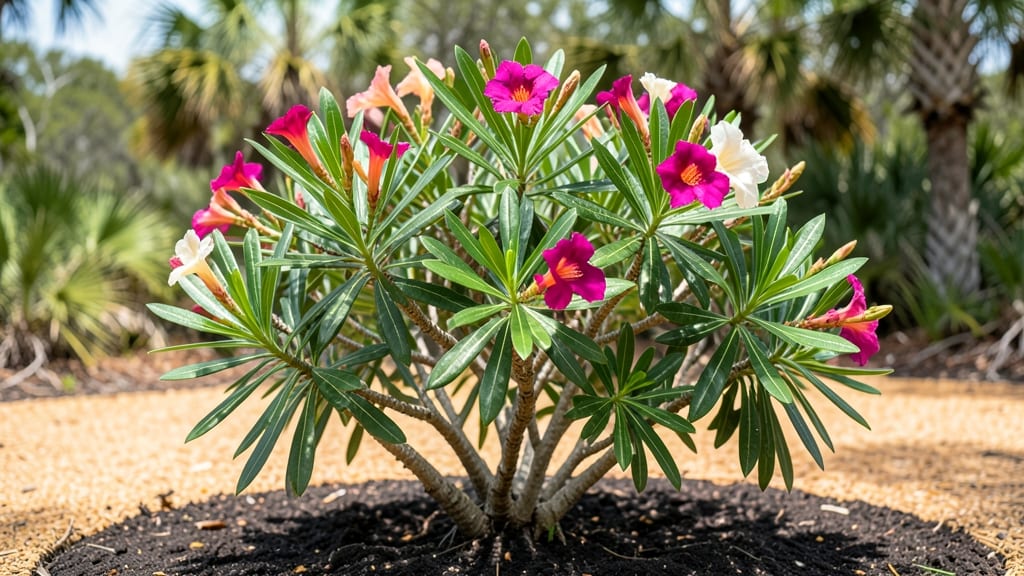
Growing an oleander tree in Florida 🌺 can turn your landscape into a year-round burst of color—but without the right pruning, those vibrant blooms will quickly turn into a tangled mess.
Picture this: your perfectly shaped oleander, now a wild, leggy giant with sparse flowers, all because you missed the best time to trim. Florida’s humidity and heat demand a different approach than pruning in cooler climates, and one wrong cut can set your plant back for months.
In this guide, I’ll walk you through the exact pruning schedule for Florida’s climate, from shaping in spring to storm prep in summer. You’ll learn how to encourage more blooms, control rapid growth, and keep your oleander looking its best—no matter what Florida throws at it.
Whether you’re a first-time gardener or a seasoned pro, these Florida-specific tips will help you prune like a local and keep your oleander thriving for years to come.
Best pruning schedule for Florida oleander trees by season
Florida’s oleander trees (Nerium oleander) thrive year-round, but their rapid growth demands a seasonal pruning schedule to maintain shape, encourage blooms, and prepare for storms. Unlike many plants, oleanders bloom on new and old wood, so timing matters.
My Florida-specific pruning calendar balances growth control, flower production, and hurricane resilience.
Pruning at the wrong time can reduce oleander blooms or stress the tree during Florida’s intense heat. I’ve tested this schedule with mature oleander trees in USDA zones 9b-11, adjusting for humidity and summer storms.
The key is to avoid heavy pruning during peak bloom periods and focus on structural cuts when the tree is dormant or recovering.
Comparison Table: Florida Oleander Pruning by Season
| Season | Pruning Goal | Best Time | What to Cut | Avoid |
|---|---|---|---|---|
| Winter (Jan-Feb) | Hurricane prep & cleanup | Late January (after cold front) | Dead/diseased branches, storm damage | Heavy structural cuts |
| Early Spring (Mar-Apr) | Bloom stimulation | February-March (pre-bloom) | Up to 1/3 of old wood, shape tree | Cutting new growth buds |
| Late Spring (May) | Light maintenance | After first bloom wave | Deadhead spent blooms, trim leggy growth | Removing >25% of foliage |
| Summer (Jun-Aug) | Storm damage repair | Immediately after storms | Broken branches, storm-damaged wood | Pruning during drought |
| Fall (Sep-Oct) | Shape for winter | September-October (pre-hurricane season) | Thin interior branches, remove suckers | Heavy cuts after October |
My winter pruning (January-February) focuses on hurricane preparation—removing dead wood and weak branches that could become projectiles. I always wait until after any cold fronts (Florida’s rare 30°F nights) to avoid shocking the tree. Use sterilized pruners to prevent fungal infections during Florida’s damp winter months.
For spring pruning (February-March), I cut back up to one-third of the tree’s oldest branches to encourage new growth and blooms. This is when oleanders respond best to shaping.
I make cuts just above a leaf node or bud to promote healthy regrowth. Avoid cutting into green wood—wait until branches are brown and dry.
During summer, I only prune for storm damage repair. Oleanders grow rapidly in Florida’s heat, so I limit cuts to 10% of the canopy to avoid stress. If you must prune, do it on overcast days or late afternoon to reduce sun stress on fresh cuts.
Always disinfect tools between cuts to prevent sooty mold from spreading.
Fall pruning (September-October) is about preparing for hurricane season. I remove any weak or crossing branches that could snap in storms. This is also when I thin the canopy to improve airflow, reducing humidity-related diseases. Never prune after October—new growth won’t harden off before winter’s rare cold snaps.
Pro tip: Mark your oleander pruning calendar with bloom cycles. In Florida, oleanders often flower twice a year—once in spring and again in fall. Time your pruning to avoid cutting flower buds, which form on old wood in late winter.
If you prune too late, you might sacrifice next year’s spring blooms.
For hurricane-prone areas, consider a light structural pruning in late summer (August) to reduce wind resistance. Remove any branches growing toward the street or power lines. After a storm, prioritize removing broken branches immediately to prevent disease entry points.
🌺
How to prune oleander trees for maximum blooms and health
Pruning your oleander tree in Florida isn’t just about shaping—it’s about encouraging those show-stopping pink, red, or white blooms while keeping your plant strong. Oleanders bloom on new wood, so strategic cuts in the right season make all the difference.
The key? Follow the 1/3 rule—never remove more than one-third of the plant at once—to avoid stressing your tree.
Start by gathering your tools: sharp bypass pruners for clean cuts, loppers for thicker branches, and sterilized rubbing alcohol to wipe between cuts and prevent disease spread. Florida’s humidity means fungal risks are real, so clean tools are non-negotiable.
I always prune on a dry, sunny morning to let cuts heal faster and reduce moisture-related stress.
Step-by-Step Pruning Guide for Oleander Trees
- Step 1: Remove Dead or Diseased Branches
Cut back any brown, mushy, or hollow branches to the nearest healthy growth. Look for dark streaks inside the wood—these signal fungal infections common in Florida’s damp climate.
- Step 2: Thin Out Crowded Growth
Target crossing or rubbing branches to improve airflow. Aim for an open, vase-like shape to let sunlight reach the center, where most blooms form.
- Step 3: Apply the 1/3 Rule
Never trim more than one-third of the plant’s foliage at once. Focus on overgrown tips to encourage bushier growth and more blooms.
- Step 4: Deadhead Spent Blooms
Snip off faded flower clusters just above a set of leaves. This redirects energy to new blooms instead of seed production.
- Step 5: Shape for Balance
Use light cuts to maintain your tree’s natural form. Avoid heavy pruning in late summer—this can stunt fall blooms.
One of my biggest mistakes early on was pruning too late in the season. Oleanders bloom year-round in Florida, but the heaviest flushes happen in spring and fall. If you prune after June or July, you’ll miss the chance to stimulate new growth before the hot season sets in.
Instead, I now schedule my main pruning for early spring (March) and a lighter touch in late fall (November).
For young oleander trees, focus on establishing a strong structure. Remove weak, leggy branches at the base to encourage a fuller canopy. Mature trees benefit from selective thinning every 6–12 months to maintain their size and shape.
Always cut just above a leaf node or outward-facing bud to guide growth where you want it.
After pruning, give your oleander a light fertilizer boost with a balanced 7-7-7 NPK to support new growth. Water deeply but avoid soaking the foliage to prevent fungal issues. Within weeks, you’ll see fresh green shoots and, eventually, more blooms than ever before!