
Pruning
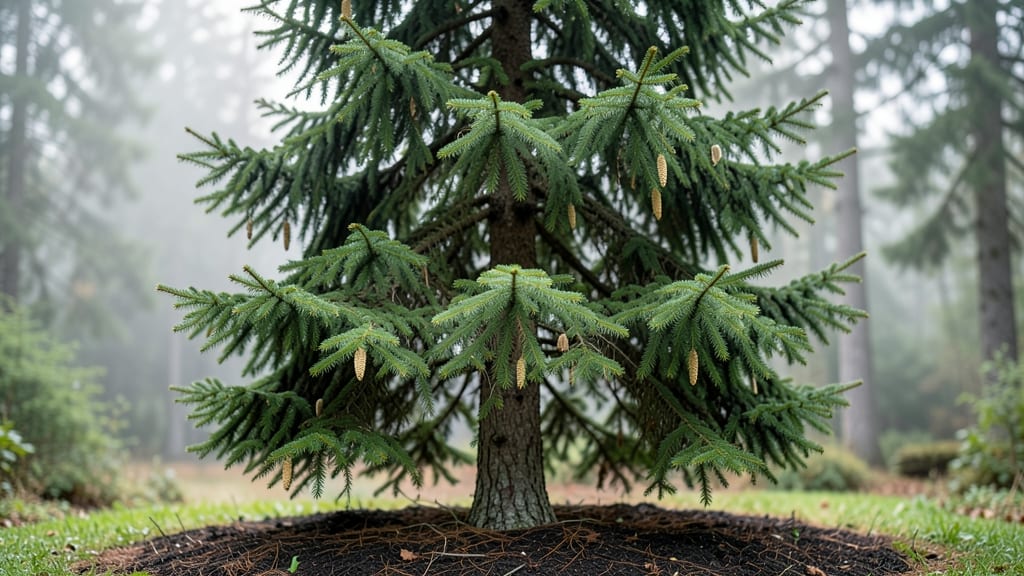
Transforming a field into a Christmas tree wonderland turns ordinary space into holiday magic. 🌲 I stumbled upon this idea after struggling with holiday decor that felt too artificial—until I realized nature already has the perfect solution.
Evergreens scattered across a field create a storybook setting without the fuss of artificial decorations or crowded yards.
The secret lies in strategic placement and companion plants. Taller evergreens like Douglas firs or Scotch pines act as natural focal points, while shorter varieties like junipers or arborvitae fill gaps. Add seasonal blooms like winterberry or hellebores for subtle pops of color that won’t overwhelm the evergreen palette.
This approach works in any field size, from small backyard corners to sprawling acreage.
By late November, you’ll have a landscape that feels like stepping into a holiday card. The scent of pine fills the air, birds nestle in the branches, and the whole scene glows under winter sunlight.
Maintenance stays simple—just occasional pruning to shape the trees and remove dead branches. The magic happens naturally, with no extra decorations needed.
Perfect for gardeners who love seasonal transformations but hate the upkeep of traditional holiday decor. Whether you’re creating a family photo backdrop or a serene winter retreat, this field garden delivers year after year with minimal effort. Let’s bring the holiday spirit to your outdoor space!
📚 In This Guide
- What you need
- Instructions
- Tips and common mistakes
- Wrapping up and next steps
What you need
- ● Evergreen trees or shrubs (e.g., Picea, Abies, or Thuja species) – 3–5 mature trees (6–10 ft tall) as the "tree" base.
- ● Bare-root or potted evergreen saplings – 10–20 small trees (3–5 ft tall) for the "ornament" tiers.
- ● Holiday-themed plants – 5–10 of these for texture: Red berry bushes (Viburnum or Ilex)
- ● Silver or gold foliage (Eucalyptus or Drimys)
- ● White pinecones or dried citrus slices
- ● Decorative stakes or trellis – 10–15 (3–4 ft tall) to support climbing plants like Clematis or Ivy for a "garland" effect.
- ● Pruning shears – Bypass pruners (for clean cuts) and loppers (for thicker branches).
- ● Hand saw – For larger branches (if shaping mature trees).
- ● Garden gloves – 2 pairs (one for pruning, one for handling pinecones/ornaments).
- ● Measuring tape – To ensure even spacing between "ornaments."
- ● Staking kit – 5–10 U-shaped stakes + twine for supporting young saplings.
- ● Mulch – 2–3 bags of pine straw or wood chips (for a festive base).
- ● Fairy lights or solar-powered path lights – 20–50 (for a glowing "tree" effect at dusk).
- ● Decorative ribbons or burlap – To tie around tree trunks or stakes for a rustic touch.
- ● Miniature holiday ornaments – 10–20 (e.g., wooden stars, glass baubles) for hanging in the "branches."
- ● Weatherproof paint – Gold or silver (for accentuating tree trunks or stakes).
- ● Seasonal scent – 1–2 cinnamon sticks or pine-scented candles (for ambiance).
Step-by-step instructions for creating a Christmas tree-inspired field garden
Transform your open space into a winter wonderland with this seasonal layout that brings holiday charm to nature.
🌲 Step 1: Design Your Tree-Shaped Planting Layout
Sketch your design on graph paper first—this is where math meets magic. A classic Christmas tree shape uses 5 rows with decreasing plant counts: start with 10 plants in the base row, then 8, 6, 4, and 2 for the top. For a 10-foot-wide base, space plants 18 inches apart within each row, with rows spaced 2 feet apart. This creates that classic triangular silhouette.
I like to mark the center point with a flag first, then measure outward symmetrically. Use a string line to keep rows perfectly straight—this prevents the "lopsided tree" look that ruins the effect. For a more organic feel, vary spacing slightly between plants in each row, but keep the overall shape intact.
🌿 Step 2: Select Holiday-Themed Plants for Year-Round Interest
Choose evergreens for the tree structure—blue spruce, white pine, or Colorado blue spruce work beautifully. For seasonal color, add holly bushes at the base and crabapples for winter interest. I always include ornamental grasses like feather reed grass along the edges to mimic natural forest understory.
For a true holiday feel, incorporate poinsettias (plant in fall for winter blooms) and winterberry holly (red berries in late winter). Place taller plants toward the back and shorter ones toward the front, just like a real Christmas tree. This layering creates depth and makes your design pop from any viewing angle.
☀️ Step 3: Prepare the Soil and Plant with Seasonal Care
Test your soil first—holiday plants often prefer slightly acidic conditions (pH 5.5-6.5). Amend with 2 inches of peat moss and 1 cup of slow-release fertilizer per plant hole. Dig holes twice as wide as the root ball but only as deep as the root flare—planting too deep suffocates roots.
Water each plant deeply before backfilling, then add 3 inches of mulch (pine straw works perfectly) to retain moisture and suppress weeds. Here's the thing—evergreens hate soggy roots, so improve drainage in heavy clay by mixing in sand or perlite. After planting, water again to settle the soil and remove any air pockets.
✂️ Step 4: Add Seasonal Accents for Holiday Magic
For instant holiday impact, weave cedar boughs between plants or create a mini "tree topper" with a small pine tree planted at the apex. I like to add snow-covered branches (spray with white paint) along the edges for a winter forest effect. Place solar-powered path lights along the base to illuminate your creation after dark.
Don't forget the finishing touch—scatter pine cones and berries around the base for texture. For a whimsical touch, hang ornaments from branches (use ornamental wire to avoid damaging plants). This is where your garden becomes truly magical—these details make it feel like a holiday postcard come to life.
⏰ Step 5: Maintain Through the Seasons
Water deeply once weekly during dry spells (evergreens need consistent moisture). In late fall, add a 2-inch layer of mulch to protect roots from freezing. Prune brown or damaged branches in early spring to maintain shape. Here's what I've learned: holly bushes need annual pruning to encourage dense growth, while evergreens generally require minimal maintenance.
For year-round interest, rotate seasonal plants—replace spring bloomers with winter jasmine or heather as they fade. The key is layering textures: combine needles, berries, and bark for visual interest in every season. With proper care, your Christmas tree garden will become a year-round focal point that brings holiday cheer all year long.
Tips & tricks for perfect Christmas tree-inspired field gardens
Creating a field garden that captures the essence of Christmas requires precision and a few strategic touches. Here's how to elevate your design from charming to truly magical.
Precision Planting Layout: When marking your 5-row design, use a garden flag at the center point and stretch string lines from there to each row marker. This ensures perfect symmetry—especially important for the base row of 10 plants. I've found that using a laser level for the first row creates a flawless foundation for the entire tree shape. The 18-inch spacing within rows and 2-foot spacing between rows should feel generous enough to accommodate future growth without crowding.
Plant Selection Strategy: For that authentic holiday forest feel, mix your evergreens with plants that offer winter interest like winterberry holly and crabapples. I recommend selecting Colorado blue spruce for the top rows—their natural blue hue creates stunning contrast against the white snow effect you'll achieve with painted branches. When arranging your poinsettias, place them slightly off-center in the base row to create visual interest while maintaining the overall triangular shape.
Soil Preparation Secret: The soil amendment step is where many gardeners make mistakes. Test your soil first—holiday plants often thrive in slightly acidic conditions (pH 5.5-6.5). If your soil tests higher, mix in 2 inches of peat moss and 1 cup of slow-release fertilizer per hole. For heavy clay soils, blend in sand or perlite to improve drainage—this is particularly important for evergreens which hate soggy roots. I've had the best results when I water each plant deeply before backfilling, then add 3 inches of pine straw mulch to lock in moisture and suppress weeds.
Seasonal Accent Placement: The finishing touches make all the difference. When adding your cedar boughs and painted branches, work from the inside out—this prevents damaging the plants while creating that layered forest effect. For the tree topper, select a small pine tree that's slightly taller than your highest row. Place solar-powered path lights along the base before adding your pine cones and berries—this ensures you can see what you're doing while creating a warm glow when the lights come on at night.
Pro Tips for Christmas Tree In Field
- Creating a field garden that captures the essence of Christmas requires precision and a few strategic touches.
- Precision Planting Layout: When marking your 5-row design, use a garden flag at the center point and stretch string lines from there to each row marker.
- Plant Selection Strategy: For that authentic holiday forest feel, mix your evergreens with plants that offer winter interest like winterberry holly and crabapples.
Frequently asked questions
Got questions about creating your own Christmas tree-inspired field garden? You’re not alone! Here are some common queries—and their answers—to help you bring holiday magic to your outdoor space with ease.
Can I plant a real Christmas tree in my field for a permanent "field garden"?
While you can plant a live Christmas tree (like a Nordmann fir or Fraser fir), most traditional varieties grow too tall for a whimsical, low-maintenance field garden. Opt for dwarf conifers, ornamental grasses, or shrubs like Picea pungens (colorado blue spruce) for a scaled-down, festive look that thrives year-round.
When is the best time to plant or arrange my "field garden" for a Christmas vibe?
For a winter-ready display, plant perennials, bulbs (like snowdrops or crocuses), and evergreens in early fall (September-October). If using seasonal decorations (like pinecones or boughs), arrange them in late November to early December. Pro tip: Add battery-powered fairy lights for instant holiday glow!
What are some budget-friendly alternatives to a full "field garden" for a Christmas tree effect?
Skip the full garden and try these creative (and affordable) ideas:
- Pinecone clusters: Scatter them around stumps or rocks for a "forest floor" look.
- Balsam boughs: Bundle and lean them against fences or trellises.
- Dwarf trees in containers: Use pots or troughs to create a "mini grove."
- DIY tree silhouettes: Cut out tree shapes from plywood and paint them silver or gold.
How do I protect my field garden from harsh winter weather?
Cold snaps can damage delicate plants, but these tricks help:
- Mulch heavily (3–4 inches) around evergreens and perennials to insulate roots.
- Wrap young trees in burlap or use tree guards to block windburn.
- Group plants together to create a microclimate that traps heat.
- Water before the first hard freeze to reduce frost damage.
Pro tip: Avoid salting paths near your garden—it can harm soil and plants!
Can I use heavy machinery (like a tractor) to shape my field garden without damaging plants?
Use a skid-steer loader or mini excavator with a landscaping bucket to mound soil, create terraces, or outline paths. For delicate plants, mark boundaries with stakes first. Warning: Avoid compacting soil—drive on designated paths to prevent root damage.
Wrapping up and next steps
Transforming your field into a whimsical Christmas tree garden is more than just a holiday decoration—it’s a creative escape that blends nature and festive charm. Whether you’re pruning existing trees, planting evergreen shrubs, or crafting topiary designs, this project brings joy and magic to your outdoor space. 🌲✨
Ready to make your vision a reality? Start by sketching your design, gathering your tools, and taking it step by step. Before you know it, your field will be the talk of the neighborhood—and the perfect backdrop for holiday photos! Happy gardening!