
Trees
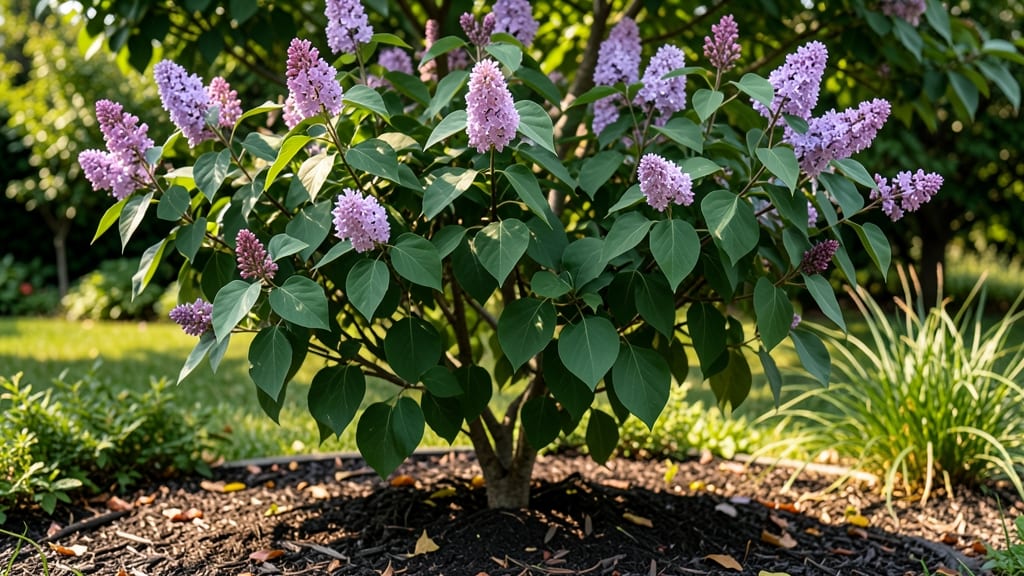
Your common lilac tree leaves hold more than just fragrance—they’re the secret to preserving that signature springtime scent for years. 🌿 The key lies in harvesting at the right time and storing them properly, before those leaves turn brittle or lose their potency.
I’ve turned my garden’s lilac bounty into fragrant sachets and dried bundles that still smell like May even in winter.
First, gather leaves when they’re fully open but before they start yellowing—usually in late spring. Spread them in a single layer on a screen or tray, out of direct sunlight, to dry completely (about 1-2 weeks).
Once crisp, store them in airtight containers away from moisture, where they’ll keep their aroma for months. The trick? Avoid overcrowding—packed leaves trap humidity and lose fragrance faster.
📚 In This Guide
- What you need
- Instructions
- Tips and common mistakes
- Wrapping up and next steps
What you need
- ● Fresh lilac leaves: Harvest from a healthy, pesticide-free common lilac tree (Syringa vulgaris). Aim for 1–2 cups (or ~50–100g) of leaves for small batches.
- ● Sharp pruning shears or scissors: A pair with sterilized blades to avoid damaging the plant or spreading disease.
- ● Glass jars or airtight containers: 1–2 quart-sized jars with tight-sealing lids (preferably amber or dark glass to protect from light).
- ● Drying rack or mesh screen: A flat, breathable surface (like a cooling rack or clean screen) for even airflow.
- ● Paper towels or clean cloth: For gently patting leaves dry before storage.
- ○ Optional fragrance carriers: Dried lavender buds (1 tbsp) for added scent depth.
- ● A few drops of vodka (70–80% ABV) (if preserving in liquid).
- ● Food dehydrator: Speeds up drying (set to 95°F–115°F for 2–4 hours).
- ● Silica gel packets: For quick preservation of leaf fragrance (place leaves in silica gel for 24–48 hours).
- ● Labeling supplies: Masking tape + marker to label jars with the harvest date.
- ● Small muslin bags or sachets: For crafting fragrant potpourri later!
Step-by-step guide to harvesting and preserving lilac leaves
Here’s how to turn your fragrant lilac blooms into lasting leaf treasures—no fancy tools needed.
🌿 Step 1: Identify and Harvest Mature Leaves
Lilac leaves are most aromatic when fully mature but still tender—look for leaves that are dark green, glossy, and about 3-4 inches long. Avoid leaves near the base of the plant, as they’re often tougher and less fragrant. I like to harvest on a dry, sunny morning after the dew has evaporated, when the oils are at their peak.
Use clean, sharp pruning shears to snip leaves just above a leaf node (the small bump where leaves attach). This encourages new growth and keeps your lilac bush healthy. Don’t strip the entire branch—take no more than one-third of the leaves from any single branch to avoid stressing the plant.
✂️ Step 2: Clean and Prepare Leaves for Preservation
Rinse the leaves under cool water to remove dust or insects, then pat them gently dry with a clean towel or let them air-dry on a paper towel-lined tray for 30-60 minutes. Wet leaves won’t dry properly and can develop mold. I avoid shaking them—this bruises the leaves and speeds up decay.
Once dry, inspect each leaf for spots, holes, or discoloration. Discard any damaged leaves immediately, as they’ll ruin your preserved batch. For best results, work in small batches—lilac leaves dry quickly, and overcrowding slows the process.
☀️ Step 3: Dry Leaves for Long-Term Storage
Lay the leaves in a single layer on a wire mesh rack or clean baking sheet in a warm, dry, well-ventilated area away from direct sunlight. I use a dehydrator set to 95°F for 2-3 hours, but you can also air-dry them in a cool, dark place for 3-5 days. Turn leaves occasionally to ensure even drying—this prevents curling or browning.
Leaves are fully dry when they’re crisp to the touch and no longer pliable. Store them in an airtight container (like a glass jar with a tight lid) in a cool, dark place—they’ll keep their fragrance for up to a year. If you notice any musty smells, your leaves weren’t dry enough before storage.
🪴 Step 4: Preserve Fragrance with Optional Methods
For an extra burst of scent, try infusing the dried leaves in olive oil—simmer 1 cup dried leaves in 2 cups olive oil on low heat for 1 hour, then strain and store in a jar. This oil can be used in homemade soaps, lotions, or as a fragrant rub for wooden furniture. Another trick? Bundle dried leaves with dried lavender or rose petals in small muslin sachets for closets or drawers.
If you want to preserve the leaves in glycerin (for potpourri or crafts), mix 1 part glycerin with 2 parts water, then add the dried leaves. Let the mixture sit for 24 hours before using—this keeps the leaves soft and fragrant for months. Just don’t over-saturate them, or they’ll turn mushy.
Tips & tricks for perfect lilac leaf preservation
These little details make all the difference between fragrant keepsakes and sad, musty scraps.
Timing Secret: Harvest leaves when the sun is high but before the afternoon heat sets in—between 10 AM and 1 PM works best. The morning dew has evaporated, but the oils haven't yet degraded from midday heat. I've learned this the hard way after harvesting damp leaves that took twice as long to dry properly.
Leaf Selection Tip: Look for leaves with a slight waxy sheen—they're the most aromatic. Avoid any with yellowing edges or brown spots, even if they look mostly green. Those tiny imperfections can spread during drying and ruin your whole batch. A quick sniff test helps too: the best leaves smell like lilac blossoms themselves.
Drying Strategy: For dehydrator users, spread leaves on the trays with their undersides facing up. This exposes more surface area to the airflow, cutting drying time from 3-5 days (air-drying) down to just 2-3 hours. If air-drying, prop open a window nearby to maintain airflow—this prevents humidity buildup that causes mold.
Storage Wisdom: Once completely dry, store leaves in small batches in your airtight containers. I keep them separated by year in labeled jars—this helps track which batches have the strongest fragrance. Add a tiny piece of chalk to each jar to absorb any moisture that might develop over time. The chalk won't affect the scent but will prevent that dreaded musty smell.
Pro Tips for Common Lilac Tree Leaves
- These little details make all the difference between fragrant keepsakes and sad, musty scraps.
- Timing Secret: Harvest leaves when the sun is high but before the afternoon heat sets in—between 10 AM and 1 PM works best.
- Leaf Selection Tip: Look for leaves with a slight waxy sheen—they're the most aromatic.
Frequently asked questions
Got questions about working with common lilac tree leaves?
Here are some of the most common ones—plus quick, practical answers to help you make the most of their fragrance and beauty!
When is the best time to harvest lilac leaves for fragrance?
The ideal time to harvest lilac leaves is just before the flowers bloom—typically in early to mid-spring. This is when the essential oils (and fragrance) are at their peak. Avoid harvesting after flowering, as the scent weakens and the leaves may turn bitter. Early morning harvests yield the freshest, most potent aroma!
Can I use dried lilac leaves for potpourri or sachets?
Dried lilac leaves make wonderful additions to potpourri, sachets, or homemade perfumes. Bundle 5–10 fresh leaves with a rubber band, then hang them upside down in a dry, dark place for 1–2 weeks. Once fully dried, crush them gently to release their fragrance. Pro tip: Mix with lavender or rosemary for a layered scent!
Why are my lilac leaves turning yellow or brown?
Yellowing or browning lilac leaves often signal overwatering, pests, or disease. Check the soil—it should be moist but not soggy. Look for aphids or spider mites (tiny webs on undersides of leaves). If fungal issues (like powdery mildew) are present, prune affected branches and avoid wetting leaves when watering. A balanced fertilizer in early spring can also boost leaf health!
Are there alternatives to common lilac leaves for fragrance?
If you can’t find lilacs, try these fragrant leafy alternatives:
- Lavender leaves – Dried leaves add a floral, calming scent.
- Rosemary – Piney and fresh; great for potpourri or cooking.
- Jasmine leaves – Intense, sweet fragrance (harvest after blooms).
- Mint or lemon balm – Citrusy or herbal notes for a fresh twist.
How long do fresh lilac leaves stay fragrant before drying?
Fresh lilac leaves retain their fragrance for about 1–2 weeks if stored properly. Place them in a paper bag (not plastic!) in the fridge to slow moisture loss. For longer storage, dry them within 3–5 days. Fun fact: Freezing leaves in ice cube trays with water preserves their scent for months—just thaw and use!
Wrapping up and next steps
From harvesting fragrant lilac leaves to preserving their signature scent through drying, infusions, or culinary uses, you now have everything you need to make the most of nature’s floral treasures. 🌿✨ Whether you’re crafting homemade potpourri, enhancing your garden’s aroma, or exploring unique recipes, lilac leaves offer a versatile and delightful addition to your projects.
Ready to dive in? Start small—pick a sunny day to gather leaves, experiment with preservation methods, and let your creativity bloom! Happy crafting!