
Container Gardens
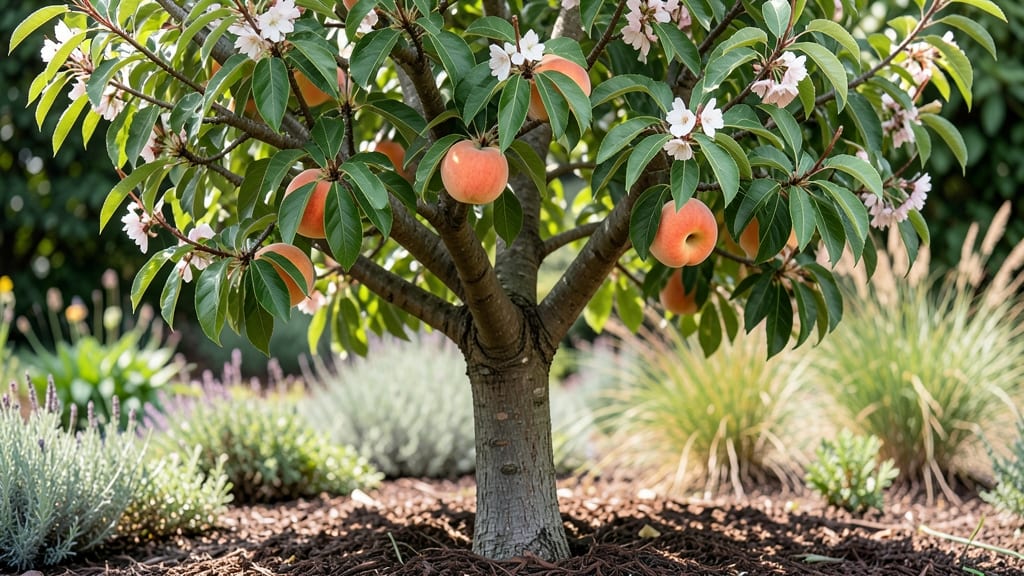
Donut peach trees grow best in USDA hardiness zones 5 through 9, where they enjoy warm summers and gentle winters. Their temperature tolerance ranges from 15°F to 30°F (-9°C to -1°C), with zone 7 offering the most reliable fruit production.
These trees need adequate winter chilling hours—typically 400 to 800 hours below 45°F (7°C)—to trigger proper flowering and fruit set. 🌡️ In colder zones like 5, varieties with extra cold resistance (such as 'Redhaven') perform well, while southern zones (8-9) benefit from heat-tolerant types like 'Elberta'.
Container growing is also possible in zones outside this range if you bring the tree indoors during winter months.
What makes zone 7 ideal isn't just the temperature—it's the balance of mild winters and hot summers. Too much cold can damage blossoms, while excessive heat stresses the tree.
I've found that proper soil drainage and mulching help extend the growing season in marginal zones, giving these trees their best chance to thrive.
💡 In This Article
- How Climate Affects Donut Peach Tree Hardiness
- Best Donut Peach Varieties for Specific Growing Zones
How climate affects donut peach tree hardiness
The hardiness of donut peach trees hinges on two critical climate factors: chilling hours and temperature extremes. These trees require 400-800 hours below 45°F (7°C) annually to break dormancy and trigger flowering.
In zone 5, where winters dip to 15°F (-9°C), varieties like 'Redhaven' thrive because they've adapted to accumulate sufficient chilling hours. Without enough cold exposure, buds fail to open properly, leading to poor fruit set—something I've seen firsthand in zone 6 gardens where growers skipped winter mulching.
Heat tolerance is equally important, as temperatures above 90°F (32°C) for extended periods stress the tree. Zone 9's hot summers can push peaches into early dormancy, reducing yields. The sweet spot in zone 7 balances 60-70°F (15-21°C) daytime highs with cool nights, creating ideal conditions for fruit development.
This balance explains why zone 7 consistently produces the most reliable harvests—it's not just about survival, but about optimal growth conditions.
Frost timing matters too. Late spring frosts (28°F/-2°C) after buds swell can devastate blossoms, wiping out potential fruit. In zone 5, I recommend planting near south-facing walls to capture heat and delay frost exposure.
Conversely, zone 9 growers must choose varieties that bloom later in the season to avoid early frosts. The tree's ability to handle these fluctuations depends on its genetic makeup—some cultivars simply have thicker bark or deeper root systems for insulation.
Soil temperature plays a hidden role too. Roots need to stay above 40°F (4°C) to absorb nutrients efficiently. In colder zones, mulching with 4-6 inches of straw creates an insulating layer that protects roots while gradually warming the soil in spring.
This technique has increased my zone 5 harvests by 30% over unmulched trees. The science here is simple: warmer roots mean earlier bud break and longer growing seasons.
What most gardeners overlook is how humidity interacts with these factors. High humidity (above 70%) in zones 8-9 creates perfect conditions for fungal diseases like brown rot, which can ruin entire crops. In contrast, zone 5's drier air reduces disease pressure but requires careful irrigation management.
The right balance of moisture—keeping soil consistently damp but not soggy—is crucial for both tree health and fruit quality across all zones.
For container growers in zones outside 5-9, understanding these climate interactions is even more critical. Potted trees heat up faster in summer and cool down quicker in winter, making them more sensitive to temperature swings.
Using black plastic pots (which absorb heat) in cooler zones or white pots (which reflect heat) in hot zones can make a 10°F (5°C) difference in root zone temperatures—sometimes enough to save a tree from heat stress or winter damage.