
Pruning
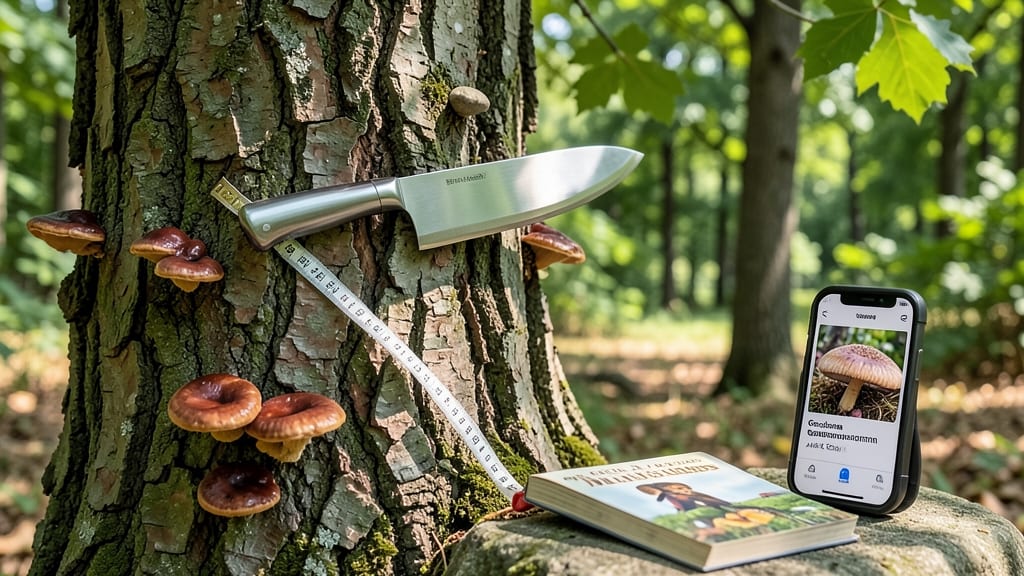
Those strange mushrooms sprouting from your elm tree aren’t just a weird sight—they’re a warning sign. 🌿 While some fungi are harmless, many on elm trees signal Dutch elm disease or root rot, which can kill your tree if ignored.
The key is acting fast to assess the damage and decide whether to remove the mushrooms or treat the tree.
First, don’t panic—just grab gloves, a sharp knife, and a moisture meter. Healthy elm bark should be smooth and greenish-brown; if you see dark streaks or oozing sap, that’s a red flag.
The mushrooms themselves might look like shelf fungi or conks, but their presence means the tree’s already fighting an infection. Your goal? Stop the spread before it’s too late.
Removing the mushrooms alone won’t save the tree if the disease has taken root, but pruning infected branches and applying fungicide can buy time. For severe cases, a certified arborist may recommend removal to protect nearby trees.
The sooner you act, the better your elm’s chances—think of it as a race against the clock to preserve that shade and beauty.
Even if your tree survives, keep an eye out for repeat outbreaks. Healthy soil, proper watering, and regular inspections are your best defense. And if you’re curious about the mushrooms themselves? Leave them alone—some are toxic, and none are worth risking your tree’s life over. Better safe than sorry.
📚 In This Guide
- What you need
- Instructions
- Tips and common mistakes
- Wrapping up and next steps
What you need
- ○ Foraging Knife or Mushroom Picker – A sharp, sturdy knife (3-4 inches) or a mushroom picker with a basket to avoid damaging the mycelium. Pro tip: A folding saw (optional) helps with thicker elm bark if mushrooms grow deep.
- ● Mushroom Basket or Mesh Bag – A breathable bag (1-2 gallons) to keep mushrooms ventilated and prevent spoilage. ✨ Avoid plastic!
- ● Field Guide or App – A reliable mushroom ID book (e.g., Mushrooms of the Midwest) or apps like iNaturalist or PictureThis for real-time ID help.
- ● Gloves – Lightweight, breathable gardening gloves to protect hands from sap, thorns, or rough bark.
- ● Notebook & Pen – To log locations, dates, and mushroom traits (color, size, habitat) for future reference.
- ● Small Trowel or Spoon – For gently lifting mushrooms without tearing the base.
- ● First-Aid Kit – Include antiseptic wipes, bandages, and allergy meds (some foragers react to elm sap).
- ● Water Bottle & Snacks – Hydration and energy are key—pack trail mix or jerky!
- ● Weather-Appropriate Clothing – Long sleeves/pants to shield from bugs, ticks, or poison ivy (common near elm trees).
- ● Camera or Phone – Capture close-ups of gills, stems, and habitat for double-checking IDs later.
- ● Hand Sanitizer or Alcohol Wipes – Clean hands before and after handling mushrooms to avoid cross-contamination.
- ○ Optional: GPS Device or Offline Maps – Elm trees thrive in wet, shaded areas; trails may be unclear!
- ● Portable Scale – Weigh your haul to track sustainability (leave at least 70% of mushrooms behind for ecosystems).
Step-by-step instructions for harvesting elm tree mushrooms safely
Here’s how I identify, harvest, and preserve these woodland delicacies without harming the tree.
🌿 Step 1: Identify the Right Elm Tree and Mushrooms
Elm tree mushrooms—often called elm oyster mushrooms (Hypholoma capnoides)—grow on dead or dying elm wood in late summer and fall. Look for dark, fibrous caps (1-3 inches wide) with gills that run down the stem. Avoid any with white spots or red tinges, which can indicate toxicity.
I always check the tree first: healthy elms won’t host mushrooms, so focus on rotting branches or fallen logs near the base. Tap the wood—if it sounds hollow, it’s likely the right habitat. Bring a field guide or use an app like iNaturalist to confirm ID before harvesting.
✂️ Step 2: Harvest with Precision and Care
Use a sharp knife or pruners to cut the mushroom at the base, leaving about ½ inch of stem attached to the wood. This prevents damaging the mycelium network, which helps future growth. Never pull mushrooms—they’ll tear and leave the tree vulnerable to rot.
Harvest only what you’ll use immediately. These mushrooms spoil quickly, and overharvesting weakens the tree’s ability to support future batches. I collect 4-6 mushrooms per tree in a single session, spacing visits 2-3 weeks apart to allow regrowth.
💧 Step 3: Clean and Preserve for Freshness
Gently brush off debris with a soft brush or damp cloth—never soak the mushrooms, as they absorb water like sponges. Pat dry with a paper towel to remove moisture, which speeds up spoilage. For short-term storage, place them in a paper bag in the fridge; they’ll keep for 3-5 days.
For long-term use, slice and dry them at 140°F for 6-8 hours in a food dehydrator. Store dried slices in an airtight container away from light. Freezing is another option: blanch whole mushrooms for 2 minutes, then shock in ice water before freezing in a single layer on a tray.
☀️ Step 4: Store and Use with Confidence
Fresh elm oyster mushrooms have a nutty, earthy flavor and cook like regular oysters. Sauté in butter with garlic or add to soups and stews. If you’re unsure about freshness, dried or frozen mushrooms retain flavor and texture well—just rehydrate in warm water for 10-15 minutes before cooking.
Label your stored mushrooms with the harvest date and tree location. This helps track freshness and ensures you’re not accidentally reusing old batches. I keep a small notebook nearby to log each harvest, including weather conditions—damp autumns seem to yield the best crops.
🌱 Step 5: Protect the Tree and Future Harvests
After harvesting, inspect the tree for signs of stress like peeling bark or excessive sap. Healthy trees support mushrooms without harm, but avoid harvesting from trees with large wounds or insect damage. If the tree looks compromised, skip it and move to another location.
Leave at least 50% of the mushrooms on the tree to ensure the mycelium network remains active. Over time, this practice helps sustain future harvests. I also avoid harvesting from urban areas where pollution might contaminate the mushrooms—stick to rural or forested areas with clean air and soil.
Tips & tricks for safe elm tree mushroom harvesting
These practical insights will help you forage like a pro while protecting both your harvest and the woodland ecosystem.
Timing Secret: Late summer to early fall is prime time for elm oyster mushrooms, but the best yields come after a few days of rain. I've noticed the mushrooms appear most abundantly within 24-48 hours after rainfall, so plan your foraging trips accordingly. Early morning is ideal—the dew keeps the mushrooms fresh and makes them easier to spot against the damp forest floor.
Tool Recommendation: A small, sharp pocket knife works perfectly for harvesting, but I've found that pruners with a 3-inch blade give me more leverage when cutting larger mushrooms. Always carry a small bag or basket with holes for airflow—plastic bags trap moisture and cause spoilage. A magnifying glass or macro lens on your phone helps verify gill patterns when identifying mushrooms in the field.
Preservation Wisdom: The 140°F for 6-8 hours dehydrating time is perfect for preserving texture, but I've learned to check slices at the 6-hour mark. If they're completely dry with no moisture, you can remove them early. For freezing, I spread mushrooms in a single layer on a tray before transferring to bags—this prevents clumping. Label each bag with the harvest date to track freshness.
Sustainability Tip: I've found that marking trees with a small piece of colored tape (like surveyor's tape) helps me track which trees have been harvested. This prevents overharvesting from the same location and gives the mycelium network time to recover. I also avoid harvesting from trees with bark damage—healthy trees support future mushroom growth without stress.
Pro Tips for Elm Tree Mushrooms
- These practical insights will help you forage like a pro while protecting both your harvest and the woodland ecosystem.
- Timing Secret: Late summer to early fall is prime time for elm oyster mushrooms, but the best yields come after a few days of rain.
- Tool Recommendation: A small, sharp pocket knife works perfectly for harvesting, but I've found that pruners with a 3-inch blade give me more leverage when cutting larger mushrooms.
Frequently asked questions
Got questions about harvesting elm tree mushrooms? You’re not alone!
Here are some of the most common queries from foragers—plus clear, actionable answers to keep your adventures safe and successful.
What time of year are elm tree mushrooms most likely to appear?
Elm tree mushrooms (like Polyporus or Ganoderma species) typically emerge in late summer to early fall, though some varieties may appear in spring. Look for them after warm rains, when humidity spikes. Avoid harvesting after frost—mushrooms lose moisture and may spoil faster.
Are all elm tree mushrooms edible? How can I tell if one is safe to eat?
Never assume!
Many elm-associated mushrooms (e.g., Ganoderma) are inedible or toxic. Stick to well-researched, edible species like Polyporus rhinus (shelf fungus)—when cooked properly. Always use a field guide or expert confirmation before consuming. When in doubt, don’t eat it.
How do I identify elm tree mushrooms without confusing them with lookalikes?
Key identifiers:
- Attachment: Elm mushrooms often grow directly on or near the tree trunk/roots.
- Shape: Shelf-like (Polyporus) or hoof-shaped (Fomes).
- Color: Browns, tans, or reddish hues (avoid bright yellow/green—red flag!).
Use a magnifying glass to check gill/spore patterns. Cross-reference with iNaturalist or local mycology groups.
What’s the best way to harvest elm tree mushrooms to avoid damaging the tree?
Use a sharp pruning saw or knife to cut mushrooms at the base, leaving a small stub (½ inch). Avoid tearing flesh—it exposes the tree to rot. Harvest only mature specimens (undersized ones won’t regrow). Skip harvesting from stressed or diseased trees to protect ecosystems.
Can I grow elm tree mushrooms at home? What’s the easiest method?
Some species (like Ganoderma lucidum) can be cultivated on sterilized hardwood sawdust or logs. Start with a spawn kit (available online) and maintain 70–80°F humidity. Elm logs must be freshly cut (not green) and inoculated with spores. Patience is key—growth takes 6–12 months!
Pro Tip:
Always wear gloves when handling wild mushrooms—some can cause skin irritation. And remember: “One is none” until you’re 100% certain of the ID!
Wrapping up and next steps
Discovering elm tree mushrooms in the wild can be a rewarding—and delicious—experience, but always prioritize safety first. Remember to double-check identifications, follow ethical foraging practices, and respect local regulations to protect ecosystems.
Whether you’re a beginner or seasoned forager, every harvest is a chance to deepen your connection with nature.
Ready to take the next step? Start small—practice identifying mushrooms in your area, join a local foraging group, or consult a field guide. Happy foraging! 🌿🍄