
Flowers
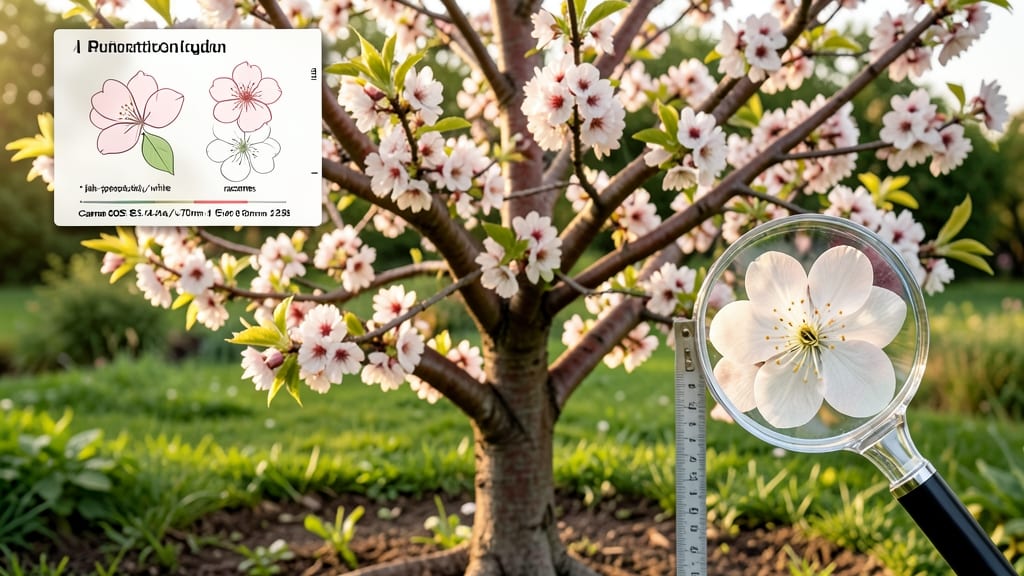
Fruit tree flowers identification is the first step to knowing what grows on your branches. 🌸 The right blooms mean better fruit later—whether it’s crisp apples, juicy peaches, or fragrant citrus. I’ve spent years matching flowers to trees, and I’m sharing the key traits that make identification foolproof. Look first at leaf shape and flower color: apple blossoms are white with five petals, while peach flowers are pale pink with fuzzy centers. Citrus trees bloom with tiny white or pale yellow flowers that smell like spring. Season matters too—apples bloom in early spring, peaches follow in late spring, and citrus flowers appear year-round in warm climates. Once you recognize the blooms, you’ll prune at the right time, protect flowers from frost, and even predict harvests. A single mistake in identification can mean no fruit—or worse, pests targeting the wrong tree. This guide breaks down the most common fruit tree flowers by region, so you’ll know exactly what’s blooming in your yard. Let’s get started!
Behind The Scenes Of Flowering
Fruit tree flowers may seem like a magical display of nature’s artistry, but their appearance—and sometimes the lack of it—is governed by precise biological triggers. Understanding these causes helps gardeners troubleshoot, plan, and even encourage better blooms.
Let’s break down the science behind why fruit trees flower (or don’t) the way they do.
Most fruit trees are dormant in winter, waiting for specific temperature shifts to kickstart flowering. This process is called chilling requirement, and it varies by species:
- Chill-sensitive trees (e.g., peaches, plums, cherries): Need 300–1,000 hours below 45°F (7°C) to break dormancy. Without enough cold, buds stay dormant, and flowers may fail to appear.
- Moderate-chill trees (e.g., apples, pears): Typically require 200–600 hours of chilling. Warmer winters can trick them into blooming too early, risking frost damage.
- Low-chill or chill-free trees (e.g., citrus, figs): Can flower year-round in warm climates but may produce sparse blooms if temperatures fluctuate unpredictably.
Actionable fix: Check your tree’s chill hours (available in local agricultural extensions) and consider low-chill varieties if winters are mild.
Young fruit trees often look ready to bloom but lack the energy or structural maturity. Here’s why:
- First 3–5 years: Trees prioritize root and trunk growth over flowering. Buds may form but abort before opening.
- Nutrient competition: If the tree isn’t established, it diverts resources to leaves and branches instead of reproductive flowers.
- Genetic timing: Some varieties (e.g., dwarf fruit trees) are bred to delay flowering until they’re 4–6 years old.
Actionable fix: Fertilize with balanced NPK (10-10-10) in early spring and prune to reduce competition for energy.
Flowers are energy-intensive, and stressed trees often skip blooming to survive. Common triggers:
- Drought stress: Insufficient water causes buds to dry out or drop. Trees like stone fruits (peaches, apricots) are especially sensitive.
- Overwatering: Poor drainage leads to root suffocation, starving the tree of nutrients needed for flower development.
- Nutrient deficiencies:
- Nitrogen (N) excess: Promotes leafy growth but delays flowering.
- Potassium (K) or phosphorus (P) deficiency: Weakens flower initiation (symptoms: yellowing leaves, stunted growth).
Actionable fix: Water deeply 1–2 times per week (adjust for climate) and test soil for pH (ideal: 6.0–7.0). Apply phosphorus-rich fertilizer (e.g., bone meal) in late winter.
How and when you prune directly impacts flowering. Poor timing or aggressive cuts can disrupt the tree’s hormonal balance:
- Late-winter pruning: Removes flower buds before they open (critical for spring-blooming trees like apples).
- Over-pruning: Reduces the tree’s ability to photosynthesize, leaving it too weak to support flowers.
- Thinning vs. heading cuts:
- Thinning cuts (removing entire branches) encourage larger, more productive flowers.
- Heading cuts (trimming back growth) can stimulate too many weak flowers.
Actionable fix: Prune in late winter/early spring (before buds swell) and avoid removing more than 25% of the canopy at once.
Unseen threats can sabotage flowering before it starts:
- Borers or bark diseases: Weakens the tree’s vascular system, reducing nutrient flow to buds.
- Spider mites or aphids: Sap-sucking pests stress the tree, causing buds to drop.
- Frost or late spring freezes: Damages delicate flower buds (common in peach and cherry trees).
- Pollution or urban smog: Can inhibit flower development in sensitive varieties (e.g., figs, citrus).
Actionable fix: Inspect trees in early spring for pests (use horticultural oil if needed) and protect blooms with frost cloth during late frosts.
By pinpointing the root cause—whether it’s a chill deficit, nutrient imbalance, or pruning mistake—you can take targeted steps to restore your fruit tree’s flowering potential. 🌸
Quick fixes for flowering fruit trees
Identifying fruit tree flowers is just the first step—now it’s time to ensure your trees thrive and bloom beautifully each season. Whether your trees aren’t flowering at all, producing sparse blooms, or struggling with pests and diseases, these practical solutions will help you diagnose and fix common issues.
Let’s tackle the problems head-on with easy-to-follow steps and prevention tips to keep your fruit trees in peak condition.
🔥 Cause: Improper Pruning or Overcrowding
If your fruit tree isn’t flowering, it might be sending too much energy into leaf growth instead of blooms. Overcrowded branches or aggressive pruning can disrupt the tree’s natural flowering cycle.
👨🍳 Fix It:
- 🔪 Prune at the Right Time: Prune fruit trees like apples, cherries, or peaches in late winter or early spring (before buds swell) to encourage new growth and flowering. Avoid heavy pruning in fall, as it can stress the tree.
- 🌿 Thin Out Dense Branches: Remove any crossing, rubbing, or weak branches to improve airflow and sunlight penetration. Aim for an open-center shape to promote better bloom production.
- 🌞 Ensure Full Sunlight: Most fruit trees need 6–8 hours of direct sunlight daily. If your tree is shaded, consider trimming nearby structures or relocating it to a sunnier spot.
💡 Prevention Tip:
- 📅 Follow a Pruning Schedule: Lightly prune in late summer to remove suckers and water sprouts, then do a more thorough prune in winter. This balances growth and flowering.
🍎 Cause: Insufficient Nutrients or Wrong Soil
Poor soil quality or nutrient deficiencies can stunt flower production. Fruit trees need a balance of nitrogen, phosphorus, and potassium to bloom and bear fruit.
👨🍳 Fix It:
- 🌱 Test Your Soil: Conduct a soil test to check pH levels and nutrient deficiencies. Most fruit trees prefer a slightly acidic to neutral pH (6.0–7.0).
- 💊 Fertilize Correctly:
- Early Spring (Before Blooms): Apply a balanced fertilizer (10-10-10) to encourage root and shoot growth.
- Late Winter (Dormant Season): Use a high-phosphorus fertilizer (5-10-10) to stimulate flowering.
- Avoid Over-Fertilizing: Too much nitrogen can lead to leafy growth at the expense of flowers.
- 🍂 Add Organic Matter: Mix compost or well-rotted manure into the soil around the tree’s dripline to improve fertility and moisture retention.
💡 Prevention Tip:
- 🌡️ Mulch Properly: Apply 2–4 inches of organic mulch (like wood chips or straw) to retain moisture and regulate soil temperature, which supports healthy root development.
🌡️ Cause: Temperature or Weather Stress
Extreme heat, cold snaps, or late frosts can damage flower buds before they open, leading to poor blooming.
👨🍳 Fix It:
- 🌡️ Protect Against Late Frosts: If frost is forecasted, cover young trees with frost cloth or use row covers to shield blossoms.
- 💦 Water Deeply During Drought: Dry spells can stress trees, reducing flower production. Water deeply 1–2 times per week during dry periods.
- 🌿 Choose Cold-Hardy Varieties: If your climate has harsh winters, opt for fruit tree varieties like Everbearing apples, hardy cherries, or cold-resistant plums.
💡 Prevention Tip:
- ✨ Monitor Weather Alerts: Sign up for local frost or heatwave warnings to take proactive measures like shading or irrigation.
🐞 Cause: Aphids, Scale, or Mites
These pests suck sap from buds and leaves, weakening the tree and reducing flower production.
👨🍳 Fix It:
- 🔍 Inspect Regularly: Check the undersides of leaves and buds for sticky residue (honeydew), tiny insects, or webbing.
- 💦 Blast Off Pests: Use a strong stream of water to dislodge aphids and mites from branches.
- 🌿 Apply Natural Remedies:
- Neem Oil Spray: Mix 1 tbsp neem oil + 1 tsp mild soap per gallon of water and spray on affected areas.
- Insecticidal Soap: Effective against soft-bodied pests like aphids and mites.
- 🐝 Encourage Beneficial Insects: Ladybugs and lacewings prey on pests—plant marigolds or dill nearby to attract them.
💡 Prevention Tip:
- 🌡️ Prune Infested Branches: Remove and destroy heavily infested branches to prevent spread.
🍄 Cause: Fungal Diseases (Powdery Mildew, Blight)
Fungal infections can distort buds and leaves, preventing proper flowering.
👨🍳 Fix It:
- 🌿 Improve Air Circulation: Thin out dense foliage to reduce humidity around the tree.
- 💊 Fungicide Treatment:
- Baking Soda Spray: Mix 1 tbsp baking soda + 1 tsp soap + 1 gallon of water and spray on leaves (reapply every 7–10 days).
- Copper Fungicide: Use as a preventive spray before blooming season.
- 🌧️ Water at the Base: Avoid wetting leaves to prevent fungal spores from spreading.
💡 Prevention Tip:
- 🌡️ Space Trees Properly: Plant fruit trees 15–25 feet apart (depending on the variety) to minimize disease risk.
| Issue | Solution | Prevention Tip |
|---|---|---|
| Overwatering | Water deeply but less frequently; improve drainage | Use a moisture meter to check soil dryness |
| Underwatering | Water slowly at the base until soil is moist | Mulch to retain moisture |
| Poor Drainage | Amend soil with sand or compost | Plant on a slight slope for better runoff |
| Animal Damage | Use chicken wire around the trunk | Apply tree guards early in the season |
With these targeted fixes, your fruit trees should reward you with vibrant blooms and bountiful harvests in no time. 🌸🍑 Remember, consistency in care—whether it’s pruning, fertilizing, or pest control—is key to long-term success. Happy gardening!
Frequently asked questions
How do I tell the difference between apple and pear blossoms?
Apple blossoms have 5 white petals with a subtle pink tint and 5 stamens that stick out. Pear flowers are similar but often have a slightly yellowish tint and grow in clusters. The key difference is apple flowers usually appear solitary on branches, while pears grow in small groups.
Why are my citrus tree flowers so small?
Small citrus flowers are normal! They're usually white or pale yellow with 4 petals and grow in dense clusters. If they're unusually tiny, check for nutrient deficiencies (especially nitrogen) or overwatering. Healthy citrus flowers should be about 1/2 inch wide when fully open.
Can I identify fruit trees by their flowers alone?
While flowers give strong clues, you should also check the leaf shape and bark texture for confirmation. For example, peach flowers are pale pink with fuzzy centers, but their serrated leaves help distinguish them from plums. Always examine multiple features for accurate identification.
What should I do if my fruit tree flowers but produces no fruit?
This usually means pollination failure or poor fruit set conditions. Check if your tree needs a pollinator variety (like planting two apple trees) or if it's getting enough sunlight (6+ hours daily) and water. Extreme heat or cold during bloom can also prevent fruit development.
How long do fruit tree flowers typically last?
Most fruit tree blossoms last 5-10 days depending on weather. Apple and cherry flowers usually drop after 7-10 days, while citrus flowers may linger 2-3 weeks in warm climates. Cool temperatures and good airflow help extend bloom duration for better pollination chances.