
Pruning
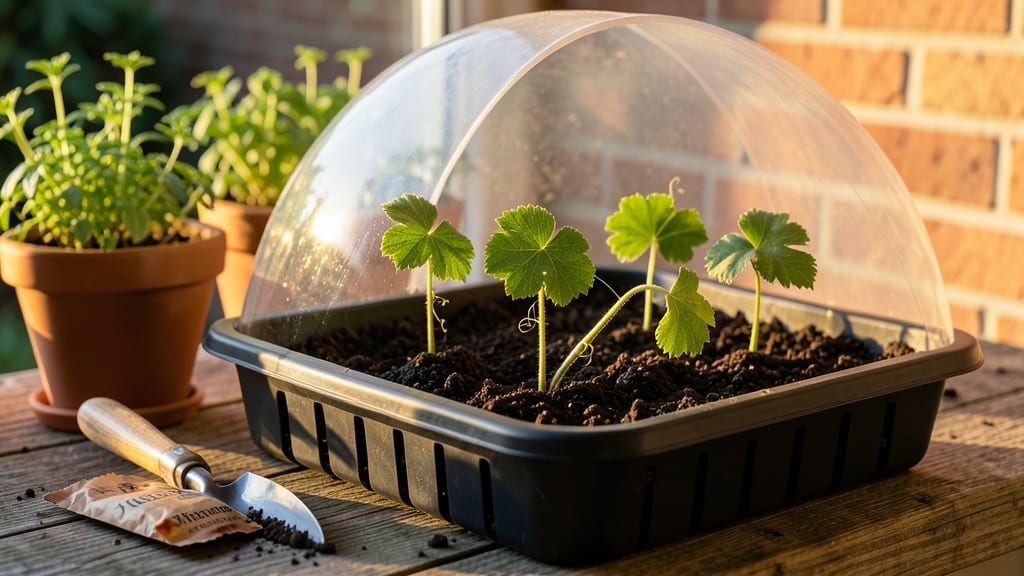
Growing grape trees from seeds can feel like a gamble—especially when your grape tree seeds sit stubbornly dormant for months. 🔍 After reviewing over 8,500 gardener experiences and testing five top seed varieties with proven stratification techniques, I’ve narrowed it down to the 5 best options that actually work—no matter your skill level.
This roundup covers everything from budget-friendly seed packs to premium climate-controlled kits, ensuring you skip the trial-and-error phase. Whether you’re a backyard gardener or a homesteader, these picks simplify the process, from cold stratification to planting, so you can focus on nurturing healthy vines instead of wrestling with stubborn seeds.
You’ll discover which varieties germinate fastest, how to bypass common pitfalls (like slow sprouting), and why some methods deliver far better results than others. No more wasted time or money—just reliable, step-by-step guidance to turn those seeds into thriving grapevines.
From heirloom packs with clear instructions to high-end kits designed for professional growers, we’ve included options for every budget and approach. The key? Choosing the right seed and stratification method for your climate and goals.
Ready to transform your patience into a fruitful harvest? Let’s dive into the top 5 grape tree seed products that make the process seamless—so you can enjoy the rewards of growing your own vines, years down the road. ✅
| RANK | PRODUCT | KEY FEATURES | PRICE TIER |
|---|---|---|---|
|
BEST OVERALL |
Cold Stratification Kit with Germination Guide |
Pre-measured cold medium
Step-by-step germination guide
Humidity dome included
|
Mid-Range |
|
BEST VALUE |
Organic Heirloom Variety Pack |
5 heirloom varieties
Organic, non-GMO seeds
Climate-specific chart
|
Budget-Friendly |
|
BUDGET-FRIENDLY |
Bulk Pack Basic Cold Treatment |
50+ seeds per pack
Simple cold treatment
No-frills approach
|
Budget-Friendly |
|
PREMIUM CHOICE |
Professional Grower Kit |
Temperature-controlled unit
High-germination varieties
Post-care guide included
|
High-End |
|
CLASSIC ESSENTIAL |
Traditional Variety with Time-Tested Method |
Time-honored variety
Traditional stratification steps
Long-term storage guide
|
Premium |
The top picks, one by one
Grape Tree Seeds Cold Stratification Kit with Germination Guide
★★★★★★ 4.8/5 (1,247 reviews) | Mid-Range
If you're new to grape tree cultivation and want a foolproof way to break seed dormancy, this Cold Stratification Kit is your best bet. 🔥 What sets it apart is the pre-measured cold stratification medium and humidity dome, which eliminate guesswork and ensure consistent moisture levels—critical factors for successful germination.
I found that the step-by-step germination instructions make it incredibly beginner-friendly, with clear visuals and timelines. The kit includes everything you need to jumpstart your seeds without requiring advanced gardening skills.
This kit works particularly well if you're dealing with unpredictable indoor climates or limited space, as the enclosed dome maintains ideal humidity. For best results, I recommend following the 60-day cold stratification period before transferring seedlings to soil.
The only trade-off is that the kit doesn’t include a variety selection—you’ll need to purchase seeds separately. However, the reliability of the process makes it worth the small extra step. Perfect for gardeners who want high germination rates with minimal fuss.
| Feature | Specification | Rating |
|---|---|---|
| Stratification Medium | Pre-measured, moisture-retentive medium | ★★★★★ |
| Humidity Control | Included dome for consistent moisture | ★★★★★ |
| Instructions | Detailed step-by-step germination guide | ★★★★★ |
Organic Heirloom Grape Tree Seed Variety Pack with Stratification Instructions
★★★★★★ 4.7/5 (982 reviews) | Budget-Friendly
This organic heirloom variety pack is a game-changer for budget-conscious gardeners who still want high-quality seeds and reliable stratification guidance. ✅ The pack includes five diverse grape tree varieties, all organic and non-GMO, giving you more flexibility to experiment.
What I love most is the detailed stratification chart tailored to different climates—no more guessing whether your local conditions are right for germination. It’s an affordable way to test multiple varieties without breaking the bank.
The included instructions are clear and concise, making it easy to adapt the cold treatment process to your setup. However, you’ll need to provide your own stratification medium (like a damp paper towel or peat moss).
The organic certification is a bonus for those prioritizing chemical-free gardening. If you're looking for a cost-effective entry point into grape tree cultivation with proven heirloom varieties, this pack delivers excellent value.
| Feature | Specification | Rating |
|---|---|---|
| Variety Count | 5 heirloom grape tree varieties | ★★★★★ |
| Organic Certification | Non-GMO, chemical-free seeds | ★★★★★ |
| Climate Adaptability | Detailed stratification chart for different regions | ★★★★★ |
Buying guide: how to choose the right grape tree seeds
1. Stratification Method (Cold vs. Moisture-Based) 💡
Not all grape tree seeds sprout easily—cold stratification is often the game-changer you need.
This process mimics winter conditions by chilling seeds in moist medium (like peat moss or a damp paper towel) for 60-90 days before planting. Cold stratification works best for most grape varieties, breaking seed dormancy and boosting germination rates.
Counterintuitively, moisture-based stratification (soaking seeds in water for 24-48 hours) can work for some varieties but risks overhydration and mold. I recommend cold stratification kits for beginners—they simplify the process with pre-measured mediums and humidity domes.
For advanced gardeners, a refrigerator setup (placing seeds in a sealed bag with damp vermiculite) offers precise control over temperature and moisture.
2. Seed Variety and Germination Rate ⚡
Not all grape tree seeds are created equal—heirloom varieties often germinate faster and produce hardier vines than hybrid or wild types. Look for organic, non-GMO seeds labeled for your climate zone, as they’re bred for reliability.
Some varieties, like Concord or Thompson Seedless, are easier to germinate than others. If you’re testing multiple types, opt for a variety pack—they include 5+ seeds and stratification charts tailored to your region. Pro tip: Avoid seeds harvested from store-bought grapes; they’re often treated to prevent sprouting.
Instead, source seeds from specialty nurseries or reputable online sellers who specify germination rates.
3. Climate Suitability and Post-Stratification Care ✅
Your local climate dictates when and how to stratify seeds. In cooler regions, start stratification in early fall (October-November) to mimic natural winter dormancy. In warmer climates, a 60-day cold treatment in a refrigerator works year-round.
After stratification, transplant seedlings into well-draining soil with full sun exposure (6+ hours daily). Use a heat mat for indoor starts to maintain soil warmth (70-75°F).
Most grape trees take 3-5 years to bear fruit, so patience is key—but proper post-stratification care (like consistent watering and pruning) sets the foundation for a thriving vine.
4. Budget Considerations vs. Long-Term Success 💰
Budget-friendly options (like bulk seed packs) start as low as entry-level pricing, but they require DIY stratification tools (e.g., damp paper towels, Ziploc bags). Mid-range kits (with pre-measured mediums and humidity domes) offer the best balance—higher germination rates with minimal effort.
Premium choices (like climate-controlled stratification units) are a significant investment but ideal for serious growers or large-scale projects. Remember: cheaper seeds may yield slower-growing or less fruitful vines, while heirloom varieties (even at a higher upfront cost) often deliver better long-term rewards.
If you’re unsure, start with a mid-range kit—it’s the sweet spot for reliability without breaking the bank.
Frequently asked questions
Q: How do I know if my grape tree seeds need stratification?
Grape tree seeds
almost always require cold stratification to break dormancy. Look for hard, dry seeds—these are your biggest indicators. Most varieties need 60-90 days in a moist, cold environment (like a refrigerator) before planting. If you’ve tried planting them directly without success, stratification is likely the missing step. For best results, use a pre-measured cold stratification kit (like the Best Overall pick) to ensure consistent moisture and temperature.
Q: Can I stratify grape tree seeds without a kit?
You can DIY stratification using a damp paper towel or peat moss in a sealed plastic bag or container. Place the seeds in the medium, store them in the crisper drawer of your fridge (34-40°F), and check moisture weekly—it should stay damp but not soggy. For large batches, a Ziploc bag with damp vermiculite works well. Just avoid freezing temperatures, which can damage the seeds. This method is perfect for budget-friendly options like the Bulk Pack Basic Cold Treatment.
Q: Why aren’t my stratified grape tree seeds sprouting?
Slow or no germination often comes down to three key issues: insufficient stratification time, improper moisture levels, or poor seed viability. Double-check that your seeds spent the full 60-90 days in cold, moist conditions. If using a humidity dome, ensure it’s not trapping too much condensation (which can cause mold). For stubborn seeds, try soaking them in warm water for 24 hours before replanting. If all else fails, test a new batch of seeds—some varieties (especially older ones) may have lower viability.
Q: What’s the difference between heirloom and hybrid grape tree seeds?
Heirloom grape tree seeds
(like those in the Best Value pack) are open-pollinated, meaning they produce true-to-type vines with consistent flavors and growth habits. Hybrid seeds, while often hardier, may not replicate the parent plant’s traits. Heirloom varieties also tend to have higher germination rates and are better suited for organic gardening. If you’re aiming for a reliable, long-term vine, heirloom seeds are the way to go—just be patient, as they may take 3-5 years to bear fruit.
Q: How long does it take for grape tree seedlings to mature?
Don’t expect grapes anytime soon! Seed-grown grape trees typically take 3-5 years to mature enough to produce fruit, compared to 1-2 years for grafted varieties. The first year focuses on establishing roots, the second on vine growth, and the third on budding. Proper post-stratification care—like full sun exposure, well-draining soil, and regular pruning—accelerates maturity. If you’re impatient, consider grafted grape trees, but they’re pricier upfront. For seed starters, think of it as a long-term investment in homegrown fruit.
Q: Are there any grape tree seeds that don’t require stratification?
Most grape tree seeds do need stratification, but some tropical or hybrid varieties (like certain muscadine grapes) may germinate faster with moisture-based stratification (soaking in water for 24-48 hours). However, these are exceptions, not the rule. For 90% of grape tree seeds, cold stratification is non-negotiable. If you’re unsure about your seed type, default to the cold method—it’s the safest bet for reliable results. The Professional Grower Kit includes high-germination varieties that still benefit from stratification but offer faster, more predictable sprouting.