
Pruning
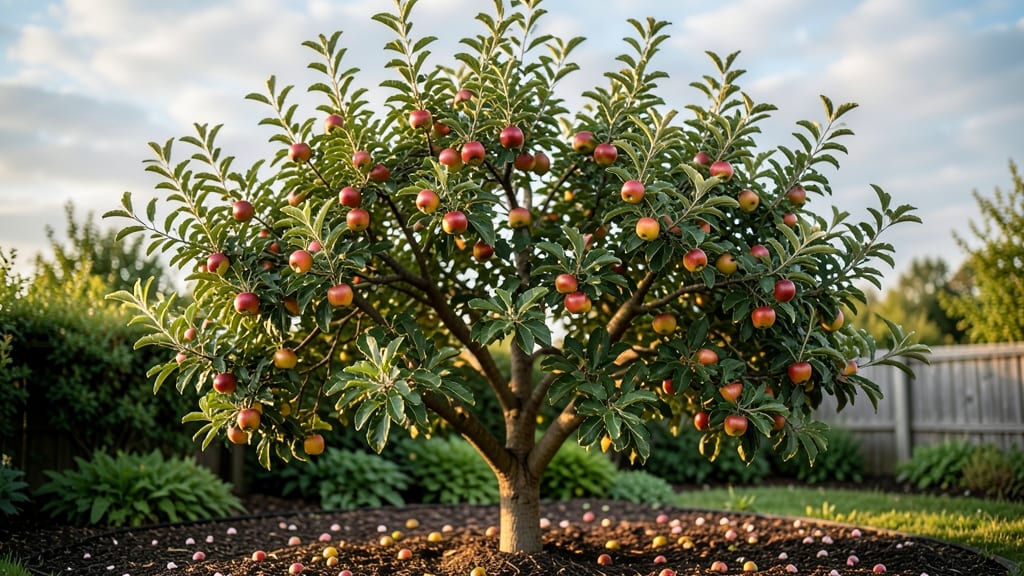
The height of a Honeycrisp apple tree can range from a compact 6 feet to a towering 20 feet, but your yard’s layout—and your patience—will decide which end of that range you get.
If you’re eyeing a Honeycrisp but fretting over space, here’s the good news: with the right rootstock, you can trim that height by half or more. A dwarf variety stays under 12 feet, while a standard tree will stretch toward the sky—literally, since some reach 30 feet.
Below, I’ll break down how rootstock shapes your tree’s future height, spacing tips to avoid overcrowding, and pruning tricks to keep it in check—because even a 20-foot tree can fit in a small garden with the right plan.
You’ll also learn how fast these trees grow, whether they’re right for containers, and how to spot early signs of overgrowth before it’s too late.

Honeycrisp apple tree height by rootstock type: dwarf vs semi-dwarf vs standard
Choosing the right Honeycrisp apple tree for your space starts with understanding rootstock types. The same Honeycrisp variety can grow as a 6-foot dwarf or a 20-foot standard, thanks to different rootstocks.
This variation lets you tailor your tree to your yard’s size and your gardening goals. Whether you have a tiny urban patio or a spacious rural plot, there’s a Honeycrisp size that fits.
The rootstock determines not just height but also growth rate, fruit production timing, and even cold hardiness. For example, dwarf rootstocks like M.9 or B.9 produce fruit in just 2-3 years, while standard rootstocks like MM.111 take 5-7 years.
This difference affects when you’ll enjoy those sweet, crisp Honeycrisp apples—and how much space you’ll need to allocate now.
Here’s how the three main rootstock categories compare in terms of mature height, growth rate, and space requirements:
| Rootstock Type | Mature Height | Growth Rate (Years to Maturity) | Space Needed | Best For |
|---|---|---|---|---|
| Dwarf (M.9, B.9) | 6–12 ft | 2–3 years | 10–15 ft diameter | Small yards, containers, urban gardens |
| Semi-Dwarf (MM.106, MM.111) | 12–18 ft | 3–5 years | 15–20 ft diameter | Medium yards, family gardens |
| Standard (Seedling, MM.111) | 20–30 ft | 5–7 years | 25–30 ft diameter | Large properties, orchards |
A dwarf Honeycrisp on M.9 rootstock stays under 10 feet tall and fits perfectly in a 5x5-foot raised bed or large container. This makes it ideal for balconies, patios, or small backyards.
The trade-off? Dwarf trees require more frequent pruning—about once a year—to maintain shape and encourage fruit production. Without pruning, they can grow slightly taller and leggier over time.
For a middle-ground option, a semi-dwarf Honeycrisp on MM.106 rootstock reaches 12–18 feet at maturity. This size works well in medium-sized yards where you want a statement tree without sacrificing space for other plants.
Semi-dwarfs produce fruit faster than standard trees but still offer longer lifespan and better cold resistance than dwarfs. They’re my top pick for suburban gardens with 15–20 feet of clearance.
If you have the space—and perhaps a vision of a classic orchard—go for a standard Honeycrisp on seedling or MM.111 rootstock. These trees can soar to 25–30 feet, providing shade and a dramatic focal point.
However, they require ample space (at least 25 feet in all directions) to avoid crowding nearby plants. Standard trees also need regular pruning to manage height and improve airflow, reducing disease risk.
One question I hear often: Can I prune a standard Honeycrisp to keep it smaller? The short answer is yes, but with limits. You can reduce its height by 30–40% through aggressive pruning, but it’ll never match the compactness of a dwarf.
Pruning a standard tree to dwarf size also delays fruit production by 1–2 years, as the tree focuses energy on regrowing branches. For best results, choose the right rootstock from the start.
Another factor to consider is fruit production timing. Dwarf and semi-dwarf trees bear fruit earlier—sometimes in as little as 2 years—while standard trees may take 5–7 years to reach full production.
If you’re impatient to taste those juicy Honeycrisp apples, a dwarf or semi-dwarf is the way to go. Plus, their earlier maturity means you’ll get smaller harvests per year compared to larger trees, so plan accordingly if you’re dreaming of bushels.
Finally, think about long-term maintenance. Dwarf trees need more frequent pruning to stay tidy, while standard trees require heavier pruning tools and ladder access. Semi-dwarfs strike a balance, but even they benefit from annual pruning to remove dead wood and shape the canopy.
If you’re not prepared for regular upkeep, a semi-dwarf might be the most manageable choice for your lifestyle.
Ready to pick the perfect Honeycrisp for your space? Start by measuring your yard and imagining how each size will fit into your garden layout. For small spaces, a dwarf is a no-brainer.
For larger areas, a semi-dwarf offers the best of both worlds. And if you’re lucky enough to have acres, a standard tree will reward you with sh
How to choose the right Honeycrisp apple tree height for your garden space
Selecting the perfect Honeycrisp apple tree height for your garden starts with understanding your space and long-term goals. A standard Honeycrisp tree can reach 20-25 feet, while dwarf varieties stay between 6-12 feet.
Your yard’s dimensions, sunlight exposure, and maintenance preferences will dictate the best choice for your fruit-bearing dream. Let’s break down how to match tree size to your garden’s reality.
First, measure your available space. A standard Honeycrisp tree needs at least 20 feet of clearance in all directions for proper airflow and sunlight penetration. If your yard is smaller than 10x10 feet, a dwarf or semi-dwarf variety is your best bet.
These compact options thrive in tight spaces while still producing high-quality Honeycrisp apples. Consider also whether you plan to grow other plants nearby—trees need room to breathe!
- Dwarf (6-12 ft): Ideal for small yards, containers, or urban gardens. Needs 6-8 ft clearance; perfect for balconies or patios with large pots.
- Semi-Dwarf (12-18 ft): Balances size and productivity for medium yards. Requires 10-12 ft clearance; great for backyard orchards with other plants.
- Standard (20-25 ft): Best for large properties with open space. Needs 20+ ft clearance; ideal for landscaping focal points or traditional orchards.
- Container Growing: Use dwarf rootstock in 15-gallon pots for patios. Ensure pots have drainage holes and use well-draining soil.
- Sunlight Needs: All varieties require 6+ hours of sun. Dwarf trees can tolerate partial shade better than standard trees.
Sunlight exposure plays a critical role in tree health and fruit production. A Honeycrisp apple tree, regardless of size, thrives in full sun (6+ hours daily). If your garden has partial shade, opt for a dwarf variety, as they adapt better to mixed light conditions.
For maximum fruit yield, position your tree where it receives morning sun and afternoon shade to prevent stress during hot afternoons.
Consider your long-term maintenance goals when choosing tree height. Dwarf trees require less pruning and are easier to harvest, making them ideal for beginners or busy gardeners.
Standard trees, while stunning, demand regular pruning to manage height and shape. If you’re new to tree care, start with a dwarf Honeycrisp—it’s forgiving and productive!
For container gardening, dwarf Honeycrisp varieties are your best friends. Plant them in 15-gallon containers with well-draining soil and ensure they get adequate watering. Move pots to a sunny spot in summer and bring them indoors or to a garage during winter to protect from frost.
Container-growing also makes it easier to rotate trees for even sunlight exposure.
Remember, the right Honeycrisp apple tree height depends on your unique garden layout. Whether you have a tiny urban patio or a sprawling backyard, there’s a perfect fit. Start small with a dwarf variety, and enjoy homegrown Honeycrisp apples without the space constraints! 🍏