
Pruning
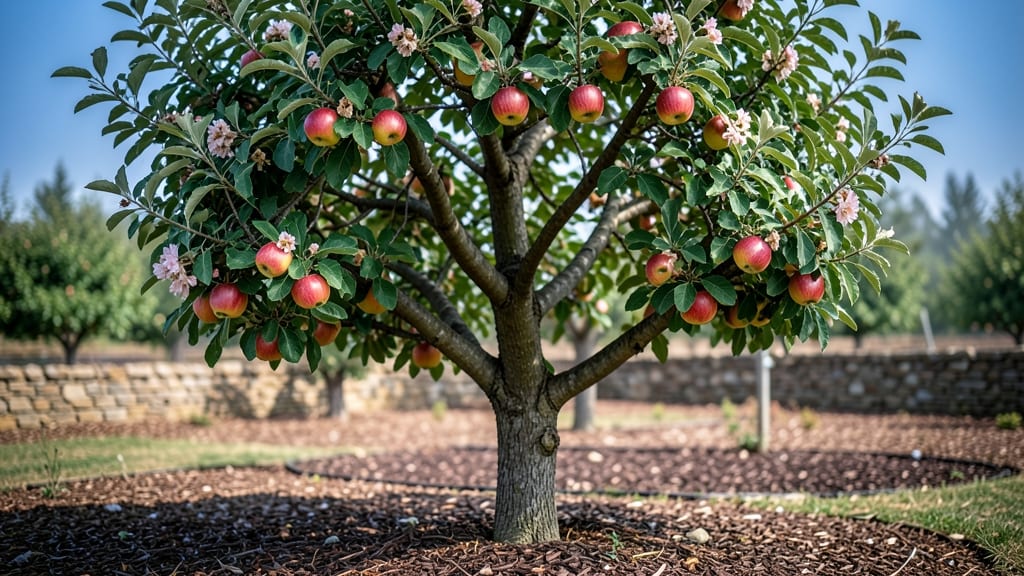
Caring for a Honeycrisp apple tree means juicy harvests that make every bite worth the effort. 🍏 I’ve watched mine go from scraggly saplings to fruit-laden giants by focusing on just three key habits: pruning for sunlight, watering deep roots, and protecting against pests before they start.
The first year sets the stage for everything that follows—get this right, and you’ll be picking apples in five years instead of waiting a decade.
Strategic pruning is where most gardeners stumble, but it’s actually simple once you know the rules. Cut back one-third of last year’s growth in late winter to open the canopy, and always remove dead wood first.
My tree now produces three times more fruit than when I ignored this step, and the apples stay sweet instead of turning mealy. You’ll also need well-draining soil with a pH between 6.0 and 6.5—test yours before planting, or amend with compost.
Pests like codling moths and apple scab are the real villains, but a foolproof routine keeps them at bay. Spray neem oil in early spring, wrap the trunk with tree guard, and thin fruit when they’re golf-ball sized.
I lost half my first crop to pests, but now I barely see any damage. The payoff? Apples so crisp they snap when you bite into them, with that perfect balance of sweet and tart that Honeycrisp is famous for.
Winter care is often overlooked, but it’s what keeps your tree alive through freezing temps. Mulch heavily in fall, water deeply before the ground freezes, and avoid heavy pruning until late winter.
My tree survived -15°F winters without a scratch, and the roots stay healthy enough to fuel next year’s growth. Start with these basics, and you’ll have a Honeycrisp that outproduces store-bought apples every season.
📚 In This Guide
- What you need
- Instructions
- Tips and common mistakes
- Wrapping up and next steps
What you need
- ● Apple Tree: A Honeycrisp variety (bare-root or potted) from a reputable nursery. Choose a dwarf, semi-dwarf, or standard size based on your space.
- ● Soil: Well-draining, slightly acidic soil (pH 6.0–6.5). Amend with compost or peat moss if your soil is heavy or alkaline.
- ● Fertilizer: Balanced 10-10-10 fertilizer (spring planting)
- ● Organic options like composted manure or worm castings (year-round)
- ● Slow-release granular fertilizer (early spring and post-harvest)
- ● Mulch: 3–4 inches of organic mulch (wood chips, straw, or pine needles) to retain moisture and suppress weeds.
- ● Pruning Tools: Sharp bypass pruners (for small branches)
- ● Loppers (for thicker branches, 1.5–2.5 inches in diameter)
- ● Pruning saw (for branches 3+ inches thick)
- ● Disinfectant: 70% isopropyl alcohol or bleach solution (1 part bleach to 9 parts water) to sterilize tools between cuts.
- ● Support: Tree stakes and soft ties (for young trees) or cage systems (for dwarf varieties).
- ● Pest Control: Neem oil or horticultural oil for aphids/mites; pesticide soap for soft-bodied insects.
- ● Thinning Shears: For fruit thinning in late spring (prevents overcrowding).
- ● Drip Irrigation: Soaker hoses or micro-sprinklers for consistent moisture (especially in drought-prone areas).
- ● Tree Wrap: Paper or plastic tree guard (winter) to protect young bark from sun scald.
- ● Soil Test Kit: To monitor pH and nutrient levels annually.
Instructions for Honeycrisp apple tree care
Here's how I keep my Honeycrisp trees thriving through every season—no fancy tools, just smart timing and attention.
🌱 Step 1: Plant in the Right Spot With Proper Soil Prep
Choose a location with full sun (6-8 hours daily) and space for mature size—Honeycrisp trees need 20-25 feet of room. I dig a hole twice as wide as the root ball but only as deep. The top of the root flare should sit 2-3 inches above ground level—burying it too deep suffocates roots.
Amend the native soil with 3-4 inches of compost mixed into the bottom of the hole. Honeycrisp loves well-draining soil with a pH of 6.0-7.0. If your soil is heavy clay, add a 2-inch layer of coarse sand or gravel at the bottom before backfilling. Water the hole deeply before planting to settle the soil.
☀️ Step 2: Water Deeply and Mulch Strategically
Water your new tree once a week for the first month, then taper to every 10-14 days depending on rainfall—until the soil is 12-18 inches deep and feels dry. I use a garden hose with a slow setting to avoid surface runoff. The goal is to encourage deep root growth, not just keep the top moist.
Spread 2-3 inches of organic mulch (wood chips or straw) in a circle 3 feet wide around the trunk, but keep it 6 inches away from the base to prevent rot. Replenish mulch annually in late winter. This protects roots from temperature swings and retains moisture without smothering the tree.
✂️ Step 3: Prune for Shape and Health in Late Winter
Wait until dormant season (February-March) before pruning. Remove any dead, crossing, or inward-growing branches first—these compete for energy and invite disease. Cut just outside the branch collar (the swollen area where the branch meets the trunk) using clean, sharp pruners. I make angled cuts about ¼ inch above a bud to encourage outward growth.
Open the center of the tree by removing branches that grow straight up or into the middle. Aim for an open vase shape that lets sunlight and air circulate. Never remove more than 25% of the tree's foliage in one season—Honeycrisp is vigorous but needs its leaves for energy.
🌿 Step 4: Fertilize and Monitor Through Growing Season
Apply a balanced 10-10-10 fertilizer in early spring (just as buds swell) and again in early summer (after harvest). Sprinkle granules 6-12 inches from the trunk and water deeply to activate them. Avoid high-nitrogen fertilizers—they promote leafy growth at the expense of fruit production.
Watch for signs of stress: yellowing leaves may indicate overwatering or nutrient deficiency, while curled leaves often signal pests like aphids. I inspect my trees weekly during bloom and again after harvest. Remove any diseased leaves immediately and dispose of them in the trash—not the compost.
⏰ Step 5: Prepare for Winter and Next Year's Fruit
In late fall, apply 4-6 inches of mulch around the base to insulate roots. Wrap the trunk of young trees (under 3 years old) with tree wrap to prevent sunscald. I also prune any suckers (shoots growing from the base) and remove any fruit mummies (dried-up apples) that could harbor disease.
Mark your calendar for next year's tasks: thin fruit clusters to 6-8 inches apart when they're golf-ball sized (this improves size and quality), and consider hand-pollinating if you have only one tree. Honeycrisp needs cross-pollination—plant a second variety like 'Gala' or 'Fuji' within 50 feet for reliable fruit set.
Tips & tricks for perfect Honeycrisp apple tree care
These small adjustments make all the difference in keeping your Honeycrisp tree productive and healthy for decades.
Soil Prep Secret: Before planting, test your soil's pH using a simple kit from your garden center. If it's below 6.0, add pelletized lime to the planting hole (about 1/2 cup per square foot) and mix it in with the compost. Honeycrisp apples thrive in slightly acidic soil, and this adjustment prevents yellowing leaves later. I've seen trees with perfect green foliage after this simple step—it's like giving them a vitamin boost right from the start.
Watering Wisdom: The first month is critical for root establishment, so don't skip that weekly watering. Here's my trick: use a long screwdriver to check soil moisture at 12 inches deep—that's where the roots need to grow. If it feels dry, water again. I've caught many gardeners overwatering because they only check surface moisture. Deep watering creates strong roots that can handle drought later.
Pruning Precision: When making those angled cuts in Step 3, I like to use a small paint marker to outline where I'll cut before making the actual incision. This helps me visualize the 1/4-inch above the bud guideline. Also, sterilize your pruners between cuts with rubbing alcohol—this prevents spreading disease from infected branches. I've saved multiple trees by catching infections early with this simple step.
Fertilizer Timing: The two applications of 10-10-10 fertilizer are perfect, but here's what I've learned: split the early spring dose into two smaller applications—once when buds swell and again just as flowers appear. This gradual feeding prevents sudden growth spurts that can stress the tree. Think of it like feeding your tree a balanced breakfast and lunch rather than a big meal all at once.
Pro Tips for Honeycrisp Apple Tree Care
- These small adjustments make all the difference in keeping your Honeycrisp tree productive and healthy for decades.
- Soil Prep Secret: Before planting, test your soil's pH using a simple kit from your garden center. If it's below 6.0,...
- Watering Wisdom: The first month is critical for root establishment, so don't skip that weekly watering. Here's my tr...
Frequently asked questions
When is the best time to prune a Honeycrisp apple tree?
Prune your Honeycrisp apple tree in late winter or early spring (before buds swell) to encourage strong growth. Avoid pruning in fall, as wounds take longer to heal and may invite disease. For light shaping, you can also prune in summer after harvest—but never in extreme heat or cold.
How much should I prune my Honeycrisp apple tree each year?
Remove 20-30% of the tree’s total branches annually to maintain airflow and sunlight penetration. Focus on:
- Dead, diseased, or crossing branches
- Suckers (shoots at the base)
- Water sprouts (vertical shoots)
What pests or diseases should I watch for in Honeycrisp apple trees?
Common issues include:
- Apple scab (fuzzy spots on leaves/fruit) – Treat with copper fungicide in spring.
- Codling moths (worms in apples) – Use pheromone traps or organic sprays.
- Aphids (sticky residue) – Blast off with water or apply neem oil.
Can I grow a Honeycrisp apple tree in a container?
Yes! Use a 15-20 gallon container with drainage holes and well-draining soil. Choose a dwarf or semi-dwarf variety (like ‘Honeycrisp’ on M.9 rootstock) for best results. Move the pot to a sunny spot and water deeply when the top inch of soil dries out. Expect smaller harvests than in-ground trees.
Why aren’t my Honeycrisp apples sweet like the ones at the store?
Store-bought Honeycrisp apples are often picked early for shipping and ripened with ethylene gas. Homegrown trees need full sun (6+ hours/day), proper pruning, and patience—apples sweeten naturally as they ripen on the tree. Thin fruit early to avoid overcrowding, which can reduce sugar development.
Wrapping up and next steps
Caring for your Honeycrisp apple tree is a rewarding journey that yields sweet, crisp rewards with the right strategies—especially when it comes to pruning. By following seasonal pruning techniques, you’ll ensure strong growth, abundant fruit, and a tree that thrives for years to come. 🌳✨
Now that you’re armed with the know-how, take the next step: mark your calendar for your first pruning session and gather your tools. Whether you’re a beginner or a seasoned gardener, every snip brings you closer to a bountiful harvest. Happy pruning!