
Blooming
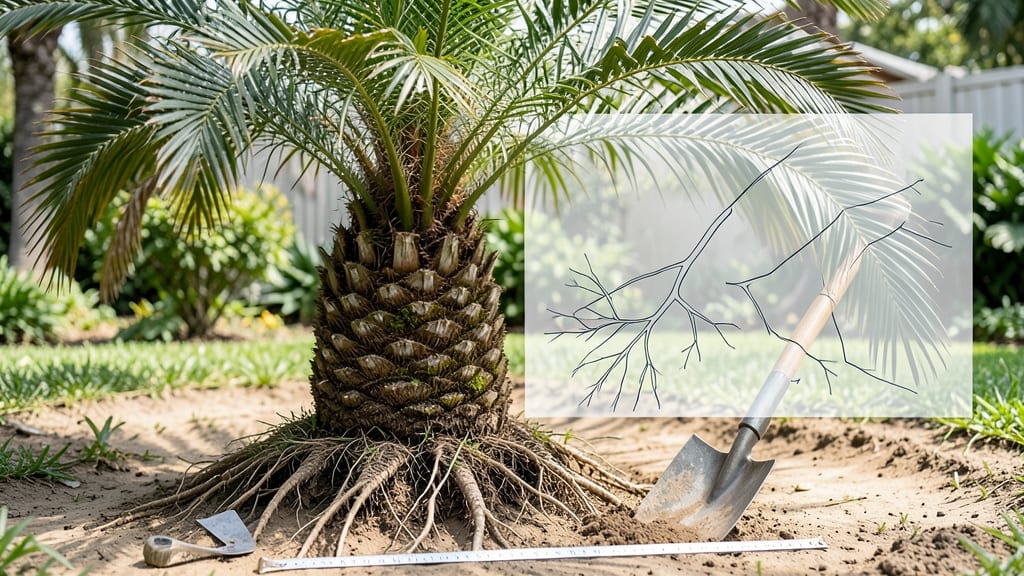
Palm tree roots can stretch 1.5 to 3 times the tree’s height outward and dig 3 to 6 feet deep, with some tropical varieties like coconut palms developing roots up to 12 feet long. Their growth patterns shift dramatically based on soil type, with sandy soils encouraging shallow, sprawling roots while clay or rocky ground forces deeper, more compact root systems.
Understanding how far palm tree roots spread helps explain why some species thrive in coastal areas while others struggle in urban environments. 🌴 The horizontal spread is particularly critical for stability—roots that extend beyond the tree's height act like a natural anchor, especially during storms.
For example, a 30-foot-tall palm might have roots reaching 45 feet outward, which is why planting near sidewalks or foundations requires careful planning. Soil moisture also plays a role: palms in arid climates develop deeper roots to access water, while those in wetter regions spread wider to stabilize against wind.
What's fascinating is how root behavior changes with age. Young palms grow roots aggressively to establish themselves, while mature trees refine their systems based on available resources.
This is why landscape professionals recommend giving palms at least 10 feet of clearance from buildings or hardscapes—even if the tree itself is smaller. The deeper the roots go, the more they can disrupt underground utilities or foundations over time.
💡 In This Article
- Palm Tree Root Systems by Species: Depth and Spread Variations
- Planting Palm Trees Safely: Root Space and Landscape Considerations
Palm tree root systems by species: depth and spread variations
The root structure of palm trees varies dramatically between species, with some developing sprawling horizontal roots while others grow deep vertical anchors.
For instance, the coconut palm (Cocos nucifera) is famous for its extensive lateral roots that can spread 12 to 15 feet outward from the trunk, creating a wide, shallow network perfect for coastal stabilization.
This horizontal spread helps the tree resist storm surges and salty winds, which explains why coconut palms dominate beachfronts. In contrast, date palms (Phoenix dactylifera) develop much deeper, more concentrated root systems, often reaching 10 to 15 feet deep to access groundwater in arid climates.
Smaller species like the pygmy date palm (Phoenix roebelenii) or dwarf palmetto (Sabal minor) follow different rules entirely.
These compact palms typically have root systems that spread only 1 to 2 times their height and penetrate just 2 to 4 feet deep, making them ideal for urban gardens or containers.
The key difference lies in their growth strategy: tropical beach palms prioritize width for stability, while desert palms prioritize depth for water access. Soil composition amplifies these differences—sandy soils encourage shallow, widespread roots, while clay forces roots to grow deeper to find nutrients and moisture.
What’s particularly interesting is how root systems adapt over time. Young palms, regardless of species, grow roots aggressively in all directions to establish a strong foundation. As they mature, their root systems become more specialized: beach palms refine their lateral spread, while desert palms deepen their vertical reach.
This adaptability explains why some palms thrive in one environment but struggle in another.
For example, a royal palm (Roystonea regia), native to Florida’s limestone soils, develops a tapered root system with both deep and shallow components, allowing it to anchor securely while still accessing surface moisture during dry spells.
Soil moisture levels create another critical variation. In wetter climates, like those found in Southeast Asia where oil palms (Elaeis guineensis) grow, roots spread widely but stay relatively shallow to take advantage of abundant surface water.
Meanwhile, in drier regions like the Middle East, date palms grow roots that can penetrate up to 20 feet deep to reach underground aquifers. This depth adaptation is why date palms are often found in oases—their roots can access water that other plants can’t reach.
Understanding these species-specific patterns helps gardeners and landscapers choose the right palm for their environment and avoid root-related issues.
Here’s a quick comparison of root behaviors across common palm types:
- Beach palms (coconut, Christmas palm): Spread 1.5-3x height, shallow (3-6 feet), ideal for sandy soils
- Desert palms (date, Mexican fan palm): Deep (10-15 feet), concentrated, for arid climates
- Dwarf palms (pygmy date, dwarf palmetto): Compact spread (1-2x height), shallow (2-4 feet), great for containers
- Tropical palms (royal, bamboo palm): Balanced system with both deep and lateral roots for stability
The takeaway? Palm roots aren’t one-size-fits-all—they’re a carefully evolved response to the tree’s environment. Whether you’re planting a coconut palm by the beach or a date palm in a desert garden, understanding these variations helps you anticipate growth patterns and avoid potential problems. 🌴