
Size
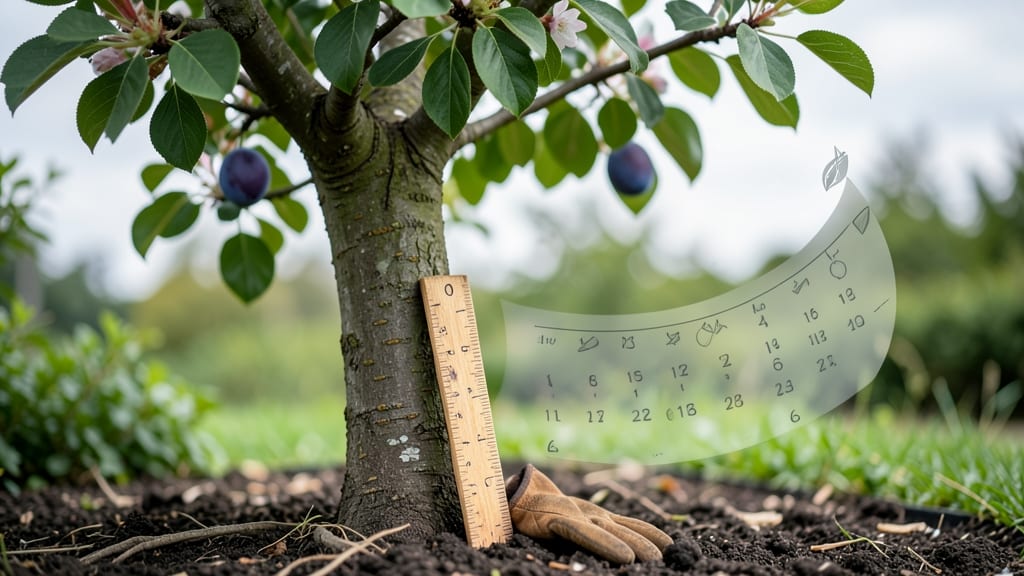
Growing a plum tree from seed to first fruit typically takes 3 to 5 years, though grafted varieties can bear fruit in just 2 to 3 years. Dwarf varieties mature fastest, while standard trees may need 5 to 7 years before reaching peak production. Proper care and climate conditions can significantly speed up this process.
Plum trees grown from seed often take longer because they need time to develop strong root systems and establish themselves before flowering. 🌱 Grafted trees, however, skip this early development stage by combining a mature rootstock with a fruiting branch, allowing them to produce fruit much sooner.
The variety you choose plays a huge role—dwarf trees like 'Santa Rosa' or 'Methley' can bear fruit in as little as 2 years, while heirloom varieties might take closer to 5-7 years.
Climate also matters: warmer regions with long growing seasons help trees mature faster than colder areas where winter dormancy slows progress.
For the fastest results, I recommend buying grafted nursery trees in early spring and planting them in well-draining soil with plenty of organic matter. Regular pruning during the first two years encourages stronger branching and earlier fruiting, while consistent watering—especially during dry spells—keeps roots healthy.
Choosing disease-resistant varieties like 'Stanley' or 'Improved Methley' also reduces setbacks that could delay fruit production.
💡 In This Article
- Factors Affecting Plum Tree Growth Speed
- Fastest Ways to Grow a Fruit-Bearing Plum Tree
Factors affecting plum tree growth speed
The biggest difference in growth speed comes from how you start your plum tree. Seed-grown trees develop their own root systems from scratch, which takes 2-3 years just to establish strong roots before they can even think about flowering.
The plant's energy goes into building a deep, extensive root network rather than producing fruit. In contrast, grafted trees combine a mature rootstock (already 1-2 years old) with a fruiting branch, allowing them to skip this foundational stage and produce fruit in 2-3 years instead.
Climate plays a huge role too—plum trees thrive in USDA zones 5-9, where they experience 200-300 frost-free days annually. Trees in warmer zones like California's Central Valley mature faster because they can focus more energy on growth rather than surviving winter dormancy.
The opposite happens in colder regions where winter stress slows early development. Soil quality matters just as much: sandy loam with 6.0-7.0 pH and good drainage helps roots establish quickly, while heavy clay soils can stunt growth by up to 30% due to poor aeration.
Watering habits create another critical difference. Young plum trees need 1-2 inches of water per week during their first two years, but inconsistent watering can cause root systems to develop unevenly.
I've seen trees in drought-prone areas take 1-2 extra years to mature because their roots struggle to reach deep moisture sources. Mulching with 3-4 inches of organic matter helps retain moisture while keeping roots cool—this simple practice can accelerate fruiting by 6-12 months in hot climates.
Variety selection makes an enormous difference in timing. Dwarf varieties like 'Santa Rosa' or 'Methley' are bred to mature quickly because their smaller stature allows them to allocate more energy to fruit production. These can bear fruit in just 2 years when properly cared for.
On the other end, standard varieties like 'Stanley' or 'Improved Methley' may take 5-7 years because their larger size requires more energy for structural growth. Even within dwarf varieties, some like 'Black Diamond' may take 3 years while others like 'Patio' produce fruit in 2 years.
Seasonal timing affects growth too. Planting in early spring (when soil temperatures reach 50°F) gives roots 6-8 months of growing season before winter dormancy. Trees planted in fall may take an extra year to establish because they experience winter stress during their first critical growing season.
The flowering process itself requires chilling hours (typically 300-800 hours below 45°F depending on variety), which explains why southern climates often need special low-chill varieties to produce fruit reliably.
One factor many gardeners overlook is pruning technique. Aggressive pruning in the first two years can stimulate early flowering but may reduce overall fruit production later. The key is to remove 20-30% of new growth annually while maintaining an open center that allows sunlight to reach all branches.
Proper pruning not only speeds up maturity but also improves fruit quality by 20-30% through better air circulation and sunlight exposure.