
How To
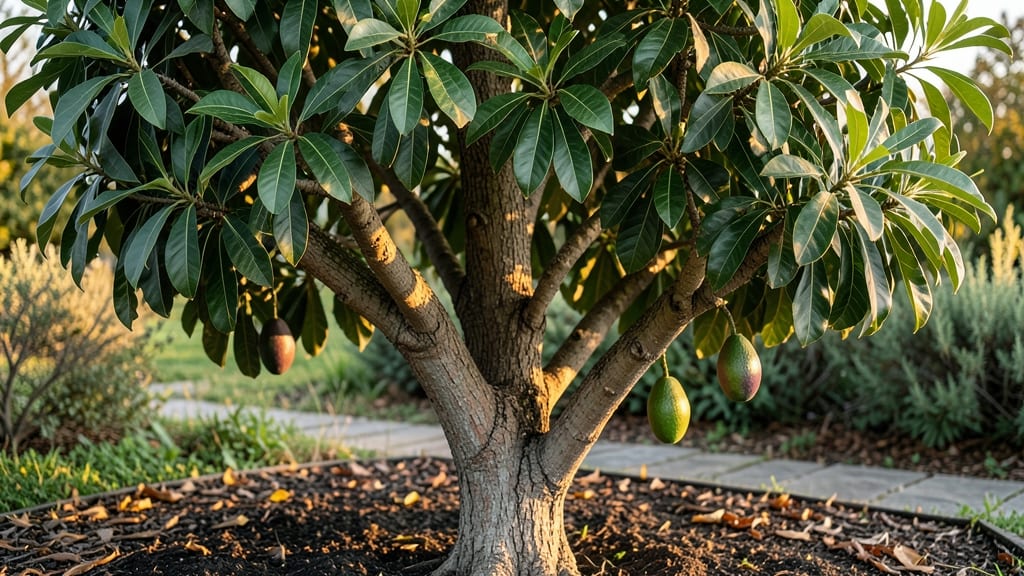
An avocado tree can grow up to 80 feet tall outdoors in ideal conditions, towering like a small skyscraper in your backyard 🥑—but that same tree might stay a modest 10 feet indoors with the right care.
If you’ve ever dreamed of growing your own avocado tree, you might be surprised to learn its height can vary dramatically depending on where you plant it—from a compact indoor plant to a towering outdoor giant.
Outdoor trees thrive in warm climates like USDA Zone 6a and beyond, stretching toward the sky with minimal intervention, while indoor trees need pruning and container limits to stay manageable.
Here’s how to control its size, whether you’re growing a dwarf variety for a sunny windowsill or letting a full-size tree take over your garden—plus the best pruning tips to keep it in check.

Avocado tree height: outdoor growth potential and natural size limits
When you plant an avocado tree outdoors, its height can become a defining feature of your landscape—sometimes reaching stunning heights that dwarf even the tallest structures. Under ideal conditions, mature avocado trees can grow between 30 to 80 feet, with some varieties exceeding 100 feet in tropical climates.
This dramatic growth potential makes them a statement piece in gardens, but it also requires careful planning if you want to manage their size.
The Hass avocado, one of the most popular varieties, typically matures between 20 to 30 feet in height, while the Fuerte variety can reach up to 40 feet when left unpruned.
These differences highlight how genetics and growing conditions play a crucial role in determining how tall your avocado tree will become.
| Variety | Mature Height (ft) | Growth Rate (ft/year) | Climate Needs |
|---|---|---|---|
| Hass | 20-30 ft | 1-2 ft | Warm, frost-free |
| Fuerte | 30-40 ft | 1.5-2.5 ft | Tropical to subtropical |
| Mexicola Grande | 10-15 ft (dwarf) | 0.5-1 ft | Moderate climates |
| Lamb Hass | 25-35 ft | 1-2 ft | Warm coastal areas |
| Wild Types | 60-100+ ft | 2-4 ft | Tropical rainforests |
One of the biggest factors influencing an avocado tree’s height is its growth rate, which can vary significantly based on climate and soil quality. In optimal conditions—like USDA zones 9-11—avocado trees grow 1 to 2 feet per year during their first decade.
However, in cooler climates or poor soil, growth may slow to just 6 inches annually, keeping the tree more manageable.
The soil composition is another critical factor. Avocado trees thrive in well-draining, slightly acidic soil with a pH between 5.5 and 7.0. Sandy loam soils are ideal, while heavy clay can stunt growth and reduce height potential.
If your soil is compacted or lacks nutrients, the tree may focus energy on root development rather than vertical growth, resulting in a shorter stature.
Pruning plays a vital role in controlling an avocado tree’s height. Regular pruning—not only shapes the tree but also encourages horizontal growth and improves fruit production. By removing vertical branches and thinning the canopy, you can reduce the tree’s height by 30-50% over time.
For example, a 40-foot Fuerte avocado can be maintained at 20 feet with consistent pruning every 1-2 years.
Another key consideration is the availability of sunlight. Avocado trees require full sun exposure (6-8 hours daily) to reach their maximum height potential. In shaded areas, growth slows dramatically, and the tree may develop a spindly, weak structure that’s prone to breaking under wind stress.
If you’re planting in a cooler climate, like Zone 8, choose a south-facing location to maximize sunlight.
Watering habits also impact height. While avocado trees need consistent moisture, overwatering can lead to root rot and stunted growth. Deep watering 2-3 times per week during the growing season encourages strong root development, which supports taller growth.
However, in drought-prone areas, trees may grow more slowly but develop deeper root systems, making them more resilient to height restrictions.
If you’re concerned about an avocado tree’s height dominating your landscape, consider dwarf varieties like Mexicola Grande, which max out at 10-15 feet. These varieties are perfect for small gardens or containers and still produce abundant fruit.
Even with dwarf types, pruning is essential to maintain shape and prevent overgrowth, especially in indoor or patio settings.
Finally, remember that patience is key when growing avocado trees. The first 3-5 years are critical for establishing a strong root system, and rapid height growth often begins only after the tree is 3-5 feet tall.
With proper care—including pruning, fertilizing, and soil management—you can guide your avocado tree’s growth to fit your space while enjoying its lush foliage and delicious fruit.
Whether you’re aiming for a towering outdoor giant or a compact container tree, understanding these factors will help you cultivate an avocado tree that thrives in your unique environment. 🌳
Indoor avocado tree growth: how to keep it small (or prevent it from taking over)
Growing an avocado tree indoors is exciting, but without control, it can quickly outgrow your space. Unlike outdoor avocados that reach 20-80 feet, indoor varieties can stay manageable with the right care.
The key is understanding how container size, pruning techniques, and light exposure influence growth. Even a 1-year-old seedling can grow 3-5 feet tall in a year if left unchecked!
Many beginners make the mistake of using oversized pots or overwatering, which fuels rapid growth. Your goal should be to keep it between 5-8 feet tall—perfect for a living room or kitchen.
With proper techniques, you can enjoy your tree's beauty without it becoming a space invader. Let’s explore how to maintain that ideal height while keeping your avocado tree healthy and thriving.
⚠️ Warning: Uncontrolled Growth Risks
An indoor avocado tree can grow up to 15 feet tall without proper care! Overwatering, oversized pots, and excessive sunlight all accelerate growth. Root-bound conditions force the tree to stretch rapidly toward light, while over-fertilizing can lead to leggy, weak stems. Without pruning, your once-charming tree could become a space-dominating monster in just 2-3 years.
Start by choosing the right container size. A 5-gallon pot is ideal for the first year, limiting root expansion and slowing growth. Larger pots encourage faster growth, so resist the urge to upgrade too soon.
Always use pots with drainage holes to prevent root rot, which weakens the tree and encourages leggy growth. Repot only when roots circle the bottom—typically every 12-18 months.
Pruning is your best tool for controlling height. Use clean, sharp bypass pruners to trim back 1/3 of the new growth in early spring. Focus on removing the topmost leaves to encourage bushier growth.
Avoid cutting into old wood, as this can stress the tree. For a compact shape, prune regularly throughout the growing season, always cutting just above a leaf node to promote branching.
Light management is crucial—too much sunlight causes rapid, leggy growth, while too little stunts the tree. Place your avocado near a south-facing window for 6-8 hours of indirect light daily. If growth becomes too tall, rotate the pot weekly to ensure even light exposure.
In winter, supplement with a grow light if natural light drops below 4 hours/day. Avoid placing it in direct afternoon sun, which can scorch leaves and encourage rapid, weak growth.
Overwatering is a silent growth accelerator. Avocados need consistent moisture, but soggy soil leads to rapid, weak stems. Water only when the top 1-2 inches of soil are dry, and always use a pot with drainage.
Yellowing leaves or drooping stems are signs of overwatering—adjust your schedule immediately. During winter, reduce watering to every 2-3 weeks to slow growth naturally.
With these techniques, your indoor avocado tree will stay at a manageable height while remaining healthy and productive. Regular pruning, proper container size, and controlled watering are your secrets to keeping it small without sacrificing its beauty. Happy growing! 🪴