
How To
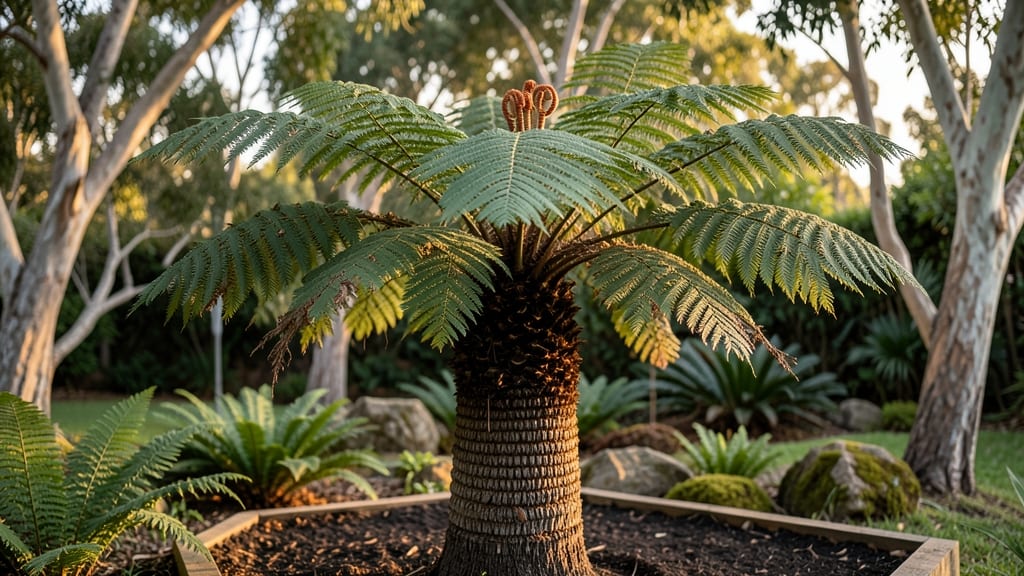
Tree ferns can grow how tall do tree ferns grow to heights between 6 and 20 feet, depending on the species and growing conditions — a stunning focal point that can quickly outpace your garden if you’re not prepared.
Imagine planting a 6-foot tropical beauty in your yard, only to watch it shoot up to 15 feet in just a few years. That’s the reality with fast-growing varieties like Dicksonia antarctica, which can reach 20 feet in ideal conditions.
But not all tree ferns are giants. Compact species like Cyathea dealbata stay under 10 feet, making them perfect for smaller spaces or container gardens. The key is choosing the right variety for your layout and climate.
In this guide, I’ll break down the fastest-growing species, space-saving tips, and how to control their height without sacrificing their lush, 🌿 tropical charm.

Tree fern height by species: fastest-growing varieties compared
Tree ferns are architectural marvels that can transform any garden into a lush, tropical oasis—but their height potential varies dramatically by species. Some tower like skyscrapers, while others stay manageable for small yards.
Understanding these differences helps you select the perfect variety for your space and climate. Let’s explore the fastest-growing and most compact options, including tropical vs. temperate varieties.
Before diving into specifics, remember that tree fern growth rates depend on three key factors: species, climate (tropical vs. temperate), and growing conditions. For example, Dicksonia antarctica, the tallest species, thrives in humid, frost-free zones, while Cyathea dealbata adapts better to cooler regions with slower growth.
Always check your USDA hardiness zone before planting.
| Species | Mature Height | Growth Rate (Annual) | Climate Zone | Best For |
|---|---|---|---|---|
| Dicksonia antarctica | 15–20 ft | 2–3 ft/year | Tropical (Zones 8–11) | Large gardens, shade gardens |
| Cyathea dealbata 'Ruffles' | 6–10 ft | 1–2 ft/year | Temperate (Zones 7–9) | Small yards, containers |
| Cyathea medullaris | 10–15 ft | 1.5–2.5 ft/year | Temperate (Zones 7–10) | Woodland gardens, shade trees |
| Dicksonia fibrosa | 12–18 ft | 2 ft/year | Tropical (Zones 9–11) | Humid climates, rainforests |
| Cyathea australis | 8–12 ft | 1–1.5 ft/year | Temperate (Zones 6–9) | Coastal gardens, partial shade |
| Cibotium glaucum | 10–14 ft | 1.5 ft/year | Tropical (Zones 10–11) | Greenhouses, conservatories |
| Cyathea leichhardtii | 4–6 ft | 0.5–1 ft/year | Temperate (Zones 7–9) | Small spaces, containers |
| Dicksonia squarrosa | 12–16 ft |
How to control tree fern growth and save space in small gardensIf you love the lush, tropical look of tree ferns but worry about them outgrowing your space, don't panic! With the right techniques, you can keep their height in check while maintaining their health. The key lies in pruning, container cultivation, and root restriction—all methods that slow growth without harming the plant. Tree ferns typically grow 3-6 feet per year under ideal conditions, but with strategic care, you can reduce this by 30-50%. Start by choosing the right species—some, like Cyathea dealbata 'Ruffles', stay under 6 feet tall, while others like Dicksonia antarctica can reach 20 feet or more if unchecked. 🌿 Tree Fern Height Control at a Glance
Species:
Mature Height:
Growth Rate:
Cyathea dealbata 'Ruffles'
3-6 ft
1-2 ft/year
Dicksonia antarctica
15-20 ft
3-6 ft/year
Cyathea medullaris
8-12 ft
2-4 ft/year
💡 Tip: Prune in early spring to control height and encourage bushier growth.
For container-grown tree ferns, use pots that are only 20-30% larger than the root ball. This root restriction method naturally slows growth by limiting space. Choose fabric grow bags or pots with drainage holes to prevent root rot, and repot every 2-3 years to refresh the soil. When pruning, focus on removing old fronds and overcrowded growth at the base. Use sterilized pruners to cut fronds 1-2 inches above the trunk to prevent disease. Avoid cutting into the crown, as this can harm the plant's health. Prune in spring or early summer for best results. If your tree fern is already too tall for your space, consider transplanting it to a shadier location or smaller container. Tree ferns grow slower in low-light conditions, so moving it under a canopy of taller trees can reduce height by up to 50%. Just ensure it still gets at least 4 hours of indirect light daily. Finally, monitor your tree fern's watering needs—overwatering can lead to faster, weaker growth. Water deeply 2-3 times per week in summer and reduce to once a week in winter. Mulch around the base with organic matter like wood chips to retain moisture and slow growth slightly. With these techniques, you can enjoy the beauty of tree ferns without sacrificing your garden's space. Happy gardening! 🌱 |