
How To
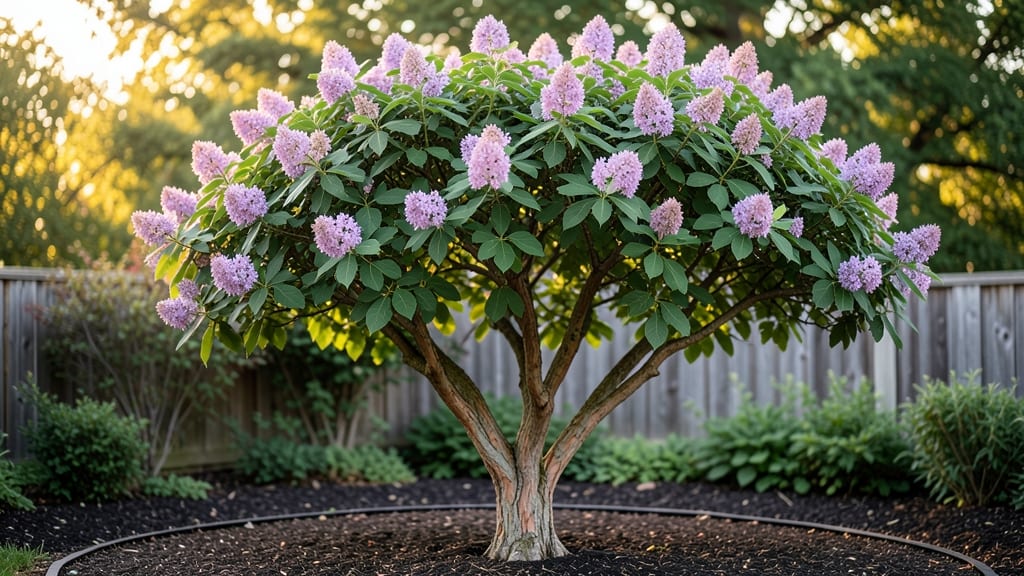
A crape myrtle tree grows how tall does a crape myrtle tree grow anywhere from 6 feet to towering 30 feet, depending on the variety you choose—so if you’re eyeing one for your yard, size matters more than you think.
Picture this: a dwarf variety like ‘Avalanche’ stays under 6 feet, perfect for small gardens or container planting, while a standard type like ‘Muskogee’ can reach 25 feet—taller than a two-story house.
That’s why picking the right type isn’t just about looks; it’s about avoiding future pruning battles or crowding issues.
Below, I’ll break down the fastest-growing varieties, how pruning can control height naturally, and spacing tricks to make your crape myrtle 🌸 thrive without taking over your landscape.
You’ll also learn how climate and care habits (like watering and fertilizing) can speed up—or slow down—growth, so you get the height you want, faster.

Crape myrtle height by variety: from compact to towering giants
When planning your landscape, knowing how tall crape myrtles grow helps you choose the perfect variety for your space. These stunning trees range from compact shrubs under 6 feet to towering giants reaching 30 feet or more.
The right selection can transform your yard without overwhelming it—whether you have a cozy patio or a sprawling backyard.
Crape myrtles are prized for their vibrant summer blooms and adaptability, but their mature size varies dramatically. Dwarf varieties fit small gardens, while standard types create bold focal points. Understanding these differences ensures you pick a tree that thrives in your space without requiring constant pruning.
Below, I’ve organized crape myrtle varieties by height categories—compact (under 6 ft), medium (6–12 ft), and tall (15–30 ft)—along with their growth rates and ideal spacing. This guide makes it easy to visualize how each variety will look in your landscape.
For compact crape myrtles like 'Centennial' or 'Tonto', expect heights between 3–6 feet at maturity. These are perfect for containers, small gardens, or foundation plantings where space is limited. Their slower growth rate means less maintenance, but they still deliver abundant blooms in shades of pink, purple, and white.
If you’re working with a medium-sized yard, varieties like 'Avalanche' (6–8 ft) or 'Muskogee' (10–15 ft) strike the ideal balance. These grow at a moderate to fast pace, reaching their mature height in 3–5 years.
Plant them 8–12 feet from structures to allow airflow and prevent future crowding.
For a statement-making tree, taller varieties like 'Natchez' (20–25 ft) or 'Tiftr' (25–30 ft) dominate the landscape. These giants grow 3–5 feet per year in ideal conditions, so plan for 20+ feet of clearance from buildings, power lines
How to choose the right crape myrtle for your space
Selecting the perfect crape myrtle starts with matching your yard size to the right variety. A dwarf variety like 'Centennial' stays under 6 feet tall, ideal for small gardens or containers, while standard types like 'Muskogee' can reach 20-30 feet, perfect for large landscapes or as shade trees.
My first tip: measure your space before buying—overestimating height leads to pruning regrets.
Sunlight exposure is another critical factor. Crape myrtles thrive in full sun (6+ hours daily), but some varieties tolerate partial shade better. For example, 'Avalanche' handles light shade well, making it great for north-facing yards or areas with afternoon shade.
If your space gets less than 4 hours of sun, opt for a shade-tolerant variety or supplement with grow lights.
Your climate zone also influences growth. In USDA Zones 7-9, crape myrtles grow vigorously, while colder zones (Zone 6) may need dwarf varieties like 'Dynamite' or extra winter protection.
I’ve seen Muskogee crape myrtles in Zone 7 reach 25 feet in 5 years, but in Zone 6, growth slows significantly without protection.
🌸 Crape Myrtle Height Guide: Pros & Cons
| Variety | Mature Height | Pros | Cons |
|---|---|---|---|
| Dwarf ('Centennial') | 3–6 ft | Perfect for containers, low maintenance, fast blooms | Limited shade, smaller flowers |
| Medium ('Avalanche') | 10–15 ft | Great for small yards, shade tolerance, prolonged blooms | Needs regular pruning to control width |
| Standard ('Muskogee') | 20–30 ft | Stunning tall blooms, shade provider, drought-resistant | Requires ample space, heavy pruning for small areas |
💡 Pro Tip: Plant dwarf varieties 3–5 feet from walls; medium types 8–12 feet apart; and standard trees 15–20 feet apart for full growth.
Pruning is your secret weapon for controlling height naturally. I recommend late winter pruning (just before buds swell) to shape your tree and remove dead or crossing branches. Avoid summer pruning, as it can stunt flowering.
For taller varieties, prune the top 1/3 of the tree to encourage bushier growth—just be prepared for slower height recovery.
Avoid these common mistakes that stunt growth: over-pruning (removing more than 25% of the canopy at once), using dull shears (which tear bark), or planting too deep (burying the graft union if it’s a grafted variety).
I’ve seen crape myrtles recover from poor planting, but pruning mistakes often take years to correct.
Finally, consider your long-term goals. If you love butterfly gardens, opt for varieties like 'Tonto' (white blooms) or 'Muskogee' (purple blooms), which attract pollinators. For low-maintenance landscapes, dwarf varieties like 'Centennial' need minimal care.
My final advice: visit a local nursery to see how each variety grows in your climate before buying.