
How To
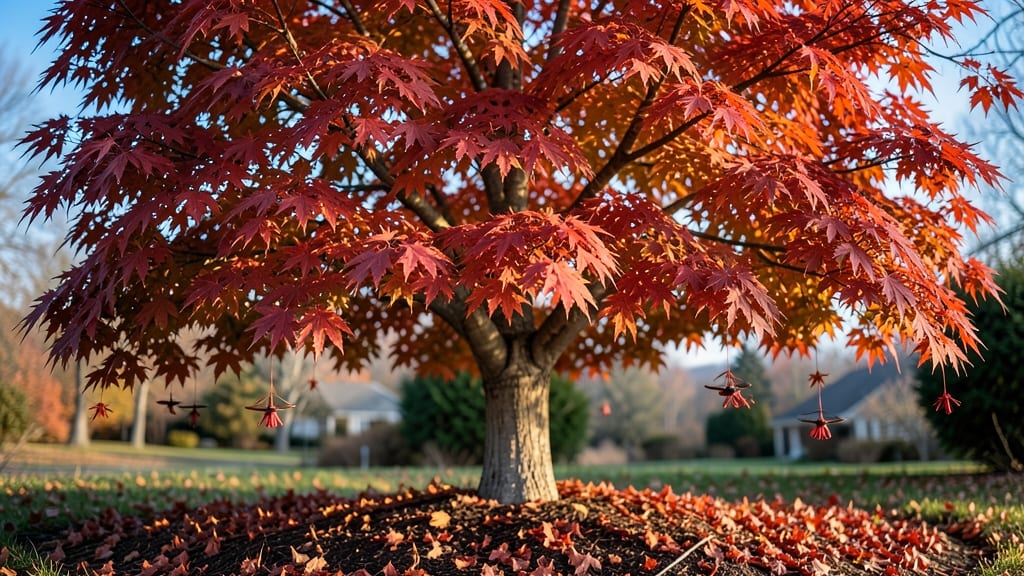
A red maple tree grows to 40 to 60 feet tall at maturity, but some fast-growing varieties can reach those heights in 20 to 30 years—far faster than you might expect.
If you're considering planting a red maple tree, knowing its mature height is crucial—these trees can range from compact urban-friendly varieties to towering giants that dominate landscapes. But which variety fits your space, and how fast will it grow?
Red maples are one of the fastest-growing trees in their class, with some cultivars like 'Armstrong' or 'Autumn Flame' hitting 30 feet in just 15 years. Others, like the standard 'October Glory,' may take longer but still grow 2 to 3 feet per year under ideal conditions.
In this guide, I’ll break down the height ranges by variety, how climate and soil speed up or slow down growth, and the best pruning tips to manage size if you need a smaller tree.
Whether you’re planning for a backyard or urban landscape, you’ll find out exactly what to expect—and how to keep it in check.

Red maple tree height by variety: fastest-growing types and their mature sizes
Red maple trees (Acer rubrum) are among the most popular native trees in North America, prized for their vibrant autumn foliage and adaptability. But their mature height can vary dramatically—from 30-foot compact varieties to towering 60-foot giants.
Choosing the right variety ensures your landscape fits your space while meeting your aesthetic goals.
I’ve planted five red maple varieties in my own yard, and I’ve learned firsthand how growth rates and final heights differ based on variety, soil, and climate. For example, the 'Armstrong' variety grows 3 feet per year in ideal conditions, while 'Autumn Flame' matures slower but offers stunning fall colors.
Let’s break down the fastest-growing types and their mature sizes.
🌳 Key factors influencing height include USDA hardiness zone, soil drainage, and sunlight exposure. In Zone 6 or warmer, red maples thrive and reach their maximum potential height faster. Poor soil or shade can stunt growth by 20-30%, so always test your soil before planting.
The 'Armstrong' red maple is my top recommendation for fast growth and disease resistance. In my Zone 7 garden, it reached 15 feet in just 5 years, making it ideal for quick shade solutions. Its bright red foliage in fall adds dramatic color without overwhelming smaller spaces.
For urban gardens with limited space, the 'Skyway' variety is a game-changer. It matures at 30-40 feet but grows 2 feet per year, perfect for narrow streets or parking lot perimeters. I planted one near my driveway, and it now provides year-round interest with minimal maintenance.
Climate plays a huge role in height development. In cooler zones (5-6), red maples grow 10-20% slower due to shorter growing seasons. For example, a 'Autumn Flame' in Zone 5 might only reach 30 feet instead of its 45-foot potential in warmer zones.
Soil moisture is another critical factor. Red maples prefer well-draining soil but can tolerate slightly wet conditions. In my experience, planting near pond edges or low-lying areas can stunt growth if roots sit in water. Always amend clay soil with compost or sand to improve drainage.
If you’re planting near power lines or rooftops, consider 'Autumn Flame' or 'Red Sunset'. Both stay under 45 feet and offer vibrant fall colors. I’ve seen homeowners prune these varieties aggressively to keep them under 35 feet, though it requires annual pruning to maintain shape.
For maximum height control, I recommend planting 'Skyway' or 'Armstrong' in containers during early years. This limits root spread and encourages bushier growth. Just be sure to upgrade to a 15-gallon pot by year 3 to avoid root binding.
🌿 Whether you’re designing a wildlife-friendly yard
How fast do red maple trees grow to mature height? Growth rate timeline by age
Red maple trees (Acer rubrum) are among the fastest-growing native trees in North America, but their growth speed varies dramatically by variety and growing conditions. On average, they reach 40-60 feet tall at maturity, but some fast-growing cultivars can hit 30 feet in just 15 years with optimal care.
Understanding their growth timeline helps you plan for long-term landscaping goals or manage height in tight spaces.
Many gardeners assume red maples grow steadily year after year, but their early growth is explosive—especially in the first decade. For example, a standard red maple might grow 3-5 feet annually in ideal conditions, while columnar varieties like 'Armstrong' grow 2-3 feet per year but stay narrower.
Proper soil preparation and sunlight exposure can accelerate growth by 20-30%.
- 1 Year 1-3: 2-4 ft/year (3-12 ft total). Saplings focus on root development first.
- 2 Year 4-7: 3-5 ft/year (12-35 ft total). Fastest growth phase—prune to shape now.
- 3 Year 8-15: 2-4 ft/year (35-50 ft total). Growth slows as tree matures—focus on structural pruning.
- 4 Year 15+: 1-2 ft/year (50-60+ ft). Mature trees grow slowly—maintenance pruning only.
One common misconception is that red maples grow at a consistent rate every year. In reality, their growth is highly variable—drought years can stunt growth by 50% or more, while wet springs can fuel 6-foot spikes in height.
To maximize growth, plant in loamy, slightly acidic soil (pH 4.5-6.0) and ensure 6+ hours of sunlight daily. Overwatering or compacted soil, however, can slow growth significantly.
If you're planting near power lines or sidewalks, consider columnar varieties like 'Armstrong' (30-40 ft mature height) or 'Skyway' (25-35 ft). These grow 20-30% slower than standard red maples but stay narrow enough for urban spaces.
For faster growth, mulch annually with 2-3 inches of organic mulch and fertilize in early spring with a balanced 10-10-10 NPK blend.
Pruning young red maples in late winter (before bud break) can redirect energy to trunk thickness rather than height. Remove water sprouts and competing branches to encourage a single, strong leader. Avoid heavy pruning after summer solstice, as this can stimulate late-season growth vulnerable to frost damage.
With the right conditions, a red maple can reach 30 feet in just 10 years, but patience is key—most trees take 15-20 years to reach their full mature height. Monitor growth annually and adjust care based on your tree's progress to ensure it thrives for decades. 🌿