
How To
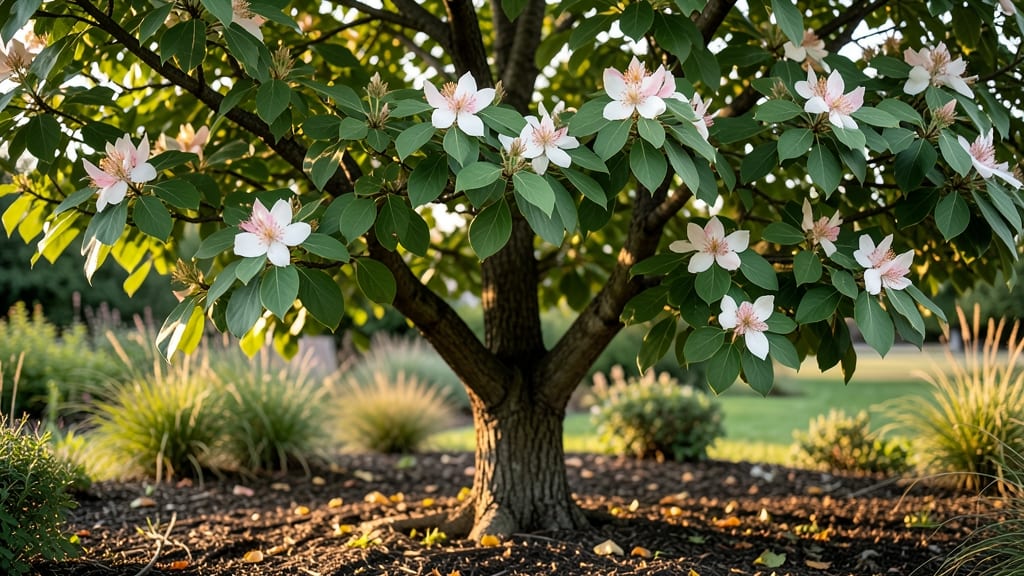
If you're dreaming of a stunning shade tree with delicate blooms but limited space, understanding dogwood tree height is critical—some varieties stay compact while others tower over your yard.
Whether you're planting a Cornus florida or a dwarf variety, the right spacing and sunlight can make all the difference in controlling how tall it grows over time.
In this guide, I’ll break down the height range by species, how sunlight affects growth, and 5 practical tips to keep your dogwood tree at your ideal size—without sacrificing its beauty.

Dogwood tree height by variety: small to giant mature sizes
Choosing the right dogwood variety depends entirely on your space—some stay as short as 4 feet, while others reach 30 feet tall. The Cornus florida (flowering dogwood) is the most popular, but its height varies wildly between cultivars.
For tight urban yards, 'Stella Compact' tops out at just 6 feet, while 'Cherokee Princess' stretches to 25 feet in ideal conditions.
Native to North America, dogwoods thrive in USDA zones 5-9, but their mature height is influenced by both genetics and growing conditions. Kousa dogwoods (Cornus kousa) tend to be slightly more compact than their Cornus florida cousins, making them perfect for smaller landscapes.
Always check your variety's label—even within the same species, height differences of 10+ feet are common.
Here’s how to visualize dogwood height: A 'Cherokee Brave' at 15 feet fits under power lines, while a 'Golden Glow' at 20 feet needs clearance for driveways. Dwarf varieties like 'Rotundifolia' stay under 8 feet, ideal for container growing or foundation plantings.
If you’re planting near power lines, avoid varieties like 'Golden Glow' or 'Cherokee Princess', which can reach 30 feet with proper care. Instead, opt for 'Stella Compact' or 'Rotundifolia'—both stay under 12 feet and fit snugly in tight spaces.
Even standard Cornus florida trees typically max out at 20-25 feet unless given ideal growing conditions.
For urban gardens, I recommend 'Cherokee Brave'—it’s disease-resistant, blooms prolifically, and stays at a manageable 15-20 feet. Pair it with 'Milky Way' Kousa dogwood for a layered effect without overwhelming your space.
Always measure your yard before planting: A 20-foot dogwood needs at least 15 feet of clearance on all sides for healthy growth.
Don’t forget about root spread—even dwarf varieties like 'Stella Compact' can spread 5-6 feet wide. Plant them at least 3 feet from hardscapes like patios or sidewalks to prevent root damage.
If you’re unsure about spacing, err on the side of caution: Dogwood roots are aggressive and can crack driveways if planted too close.
For container growing, stick to 'Stella Compact' or 'Rotundifolia'—both thrive in 15-gallon pots for at least 3-5 years before needing upgrades. Use a high-quality, well-draining potting mix and repot every 2 years to prevent root-bound stress. Container dogwoods may stay slightly shorter than
How sunlight affects dogwood tree growth and final height
Sunlight isn't just about blooms—it directly impacts how tall your dogwood tree grows. In full sun, varieties like 'Cherokee Princess' can reach 10% taller than their partial-shade counterparts.
The key lies in understanding your USDA zone and microclimate, where even a few extra hours of sunlight can push a 20-foot tree to 22 feet over a decade.
Dogwoods thrive in partial shade (4-6 hours of sun daily), but too little light stunts growth while too much can stress the tree. For example, Cornus florida in Zone 6-7 averages 15-25 feet in ideal conditions, but drops to 10-15 feet in heavy shade.
Your yard's sunlight map—created by tracking sun paths—reveals the best spots for maximizing height potential.
In Zone 5-6, dogwoods in full sun grow 1.5 inches taller per year compared to partial shade. The trade-off? More sun means fewer blooms if water isn't consistent. For example, 'Aurora' hits 20 feet in full sun but only 16 feet with morning shade.
Test your spot by placing a sunlight sensor for a week—aim for 50-60% sunlight for balanced growth.
Soil moisture plays a hidden role too. Dogwoods in full sun need 20% more water to reach their height potential. Mulch with wood chips to retain moisture, and water deeply twice weekly during summer.
Skimp on water, and even sun-loving varieties like 'Rubra' will max out at 12 feet instead of 22 feet. Think of sunlight as fuel—without proper hydration, the engine stalls.
Pro tip: Plant dwarf varieties like 'Rotundifolia' (8-10 feet) in east-facing beds for controlled height. These thrive in 3-4 hours of sun and rarely exceed 10 feet, making them perfect for small yards.
For larger spaces, 'Kousa Dogwood' in full sun can stretch to 25 feet—but prune annually to shape its spread and encourage upward growth.
Your dogwood's final height isn't set in stone—it's a sunlight equation. Track your tree's growth annually, adjust pruning based on light exposure, and watch it reach its genetic potential. With the right balance, you'll have a taller, healthier tree without sacrificing those iconic spring blooms. 🌳