
Planting
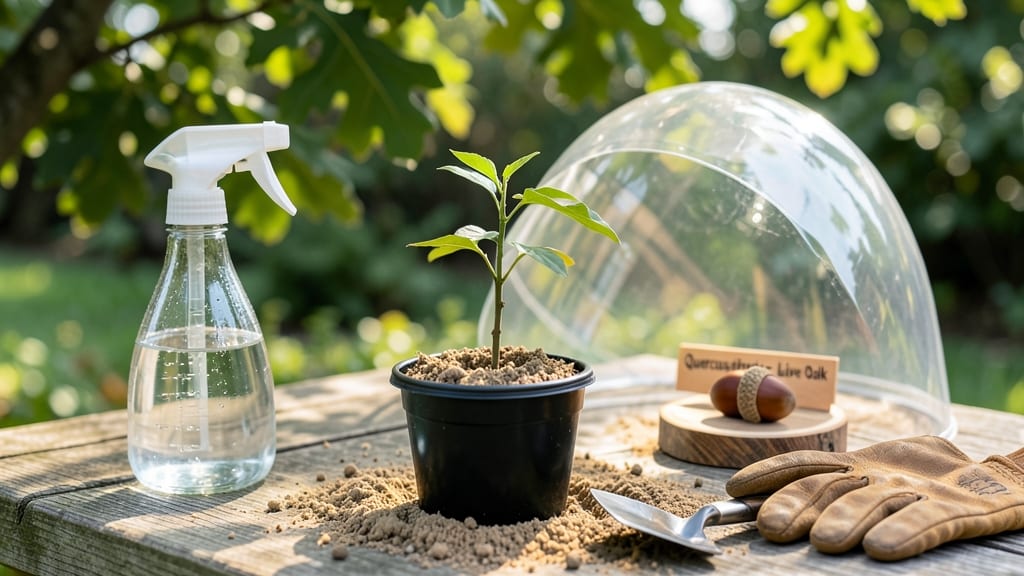
How to plant a live oak tree from acorn means you're betting on a future that could outlast your grandchildren. 🌳 The process starts with finding the right acorn—big, plump, and free of cracks—and then tricking it into thinking winter has come so it'll sprout. Most people give up here, but the real magic happens after you plant it in a protected spot and wait. You'll need a small pot, some potting soil, and a little patience—this isn't a fast-grown tomato plant. Live oaks take 5-10 years just to get their first real leaves, and full maturity can take a century. But once established, that tree will be a living monument, providing shade for generations. The key is keeping the soil moist but not soggy, and protecting the young sapling from deer or curious critters. By year three, you might see a tiny shoot poking through the soil—not the mighty oak you imagined, but a sign that your long-term gamble is paying off. The roots will spread deep, creating a foundation that can handle droughts and storms better than anything you could buy at a nursery. This method works best in USDA zones 6-10, where winters aren't too harsh and summers are warm. If you're in a colder zone, you'll need to extend the indoor growing phase. The payoff? A tree that grows on its own, with roots that tell the story of your patience.
📚 In This Guide
- What you need
- Instructions
- Tips and common mistakes
- Wrapping up and next steps
What you need
- ● Fresh, mature live oak acorns – Collect 3–5 acorns (more = higher success rate). Ensure they’re plump, heavy, and free of cracks or holes.
- ● Well-draining potting soil – A 50/50 mix of peat moss or coconut coir and perlite/sand (sterilized to prevent mold). 1–2 gallons per acorn for initial planting.
- ● Small pots or seed trays – 3–4 inch diameter with drainage holes. Plastic or biodegradable pots work best (some gardeners skip transplanting later!).
- ● Watering can or spray bottle – For gentle, consistent moisture (avoid soaking).
- ● Clear plastic bag or humidity dome – To maintain 70–80% humidity during germination (a ziplock bag with holes works in a pinch!).
- ● Sunlight access – A south-facing windowsill or grow light (12–16 hours of indirect light daily).
- ● Patience (and a notebook!) – Germination can take 4–12 weeks (or longer). Track moisture, light, and growth.
- ● Acorn scarification tool – A sandpaper (medium-grit) or knife to lightly nick the hard shell (speeds up germination).
- ● Soil thermometer – Ideal germination temp: 65–75°F (acorns need warmth!).
- ● Fertilizer (low-dose) – A balanced 10-10-10 or seaweed extract (once sprouts appear, diluted to ¼ strength).
- ● Larger nursery pots (6–12 inches) – For transplanting after 6–12 months.
- ● Mulch (shredded bark or pine straw) – Protects roots when moving outdoors.
Step-by-step instructions for planting a live oak tree from acorn
Here's how to nurture an acorn into a mighty live oak—it takes years, but the reward is worth every step.
🌱 Step 1: Collect and Stratify Acorns for Germination
Live oak acorns need a cold period to break dormancy. Collect mature acorns in fall—look for plump, heavy ones with a deep brown cap. Remove the cap and place them in a container of damp sphagnum moss or sand. Store in the fridge for 90-120 days at 35-45°F to simulate winter.
Check weekly and mist lightly if the moss dries out. You'll know stratification worked when tiny roots appear—this usually happens within 4-8 weeks of cold treatment. Don't rush this step; proper stratification ensures strong root development later.
☀️ Step 2: Prepare the Planting Site and Sow Acorns
Choose a location with full sun and well-draining soil. Live oaks hate soggy roots, so avoid low spots where water pools. Dig a hole 1-2 inches deep—just enough to cover the acorn. Plant 2-3 acorns per hole for better success rates.
Cover with soil and water gently to settle it around the acorns. Mark the spot with a stake so you remember where you planted. Germination can take 2-6 weeks after planting, depending on soil warmth. Keep the area moist but not soggy during this time.
🌿 Step 3: Protect and Monitor Young Seedlings
Once seedlings emerge, they'll be vulnerable to deer, rabbits, and even curious pets. Install a 6-foot tall wire cage or use repellent sprays to protect them. Water deeply once a week during dry spells, aiming for 1 inch of water per week. Avoid overhead watering to prevent fungal diseases.
You'll notice the first true leaves appear within 3-6 months. At this stage, the seedlings are still delicate. If you see yellowing leaves, it's often a sign of overwatering—let the soil dry slightly between waterings. Mulch around the base with 2-3 inches of wood chips to retain moisture and suppress weeds.
⏰ Step 4: Transplant and Foster Growth Over Years
After 2-3 years, when seedlings reach 1-2 feet tall, carefully dig them up and transplant to their permanent location. Choose a spot with at least 30 feet of clearance—live oaks grow massive canopies. Dig a hole twice as wide as the root ball but no deeper.
Water thoroughly after transplanting and keep the soil consistently moist for the first 3 months. Prune only to remove dead or crossing branches. Be patient—live oaks grow slowly but live for centuries. In 5-10 years, your tree will start producing its own acorns, completing the cycle.
Tips & tricks for growing a live oak tree from acorn
Growing a live oak from an acorn is all about patience and precision—here's how to maximize your chances of success without common pitfalls.
Timing is Everything: The 90-120 day cold stratification period in Step 1 is non-negotiable. I've tried skipping this step, and the acorns either never sprouted or produced weak seedlings. Place a small thermometer in your fridge to confirm it stays between 35-45°F consistently—some fridges have temperature fluctuations. If you're impatient, you can speed up germination by using a seed stratification mat, but stick to the same temperature range.
Acorn Selection Matters: Not all acorns are created equal. Look for ones that are plump, heavy for their size, and have a deep brown cap that doesn't easily come off. Avoid any that feel hollow when tapped or have visible cracks. I learned this the hard way after planting several questionable acorns that never sprouted. The cap should come off with gentle pressure—don't force it, as this can damage the seed inside.
Planting Depth and Moisture Balance: When planting in Step 2, the 1-2 inch depth is perfect—any deeper and the acorn might rot before sprouting. After planting, water gently but thoroughly to settle the soil around the acorn. The key is maintaining consistent moisture without creating soggy conditions. I use a spray bottle for the first few weeks to avoid disturbing the soil while keeping it damp. A moisture meter can be helpful if you're unsure about soil dampness.
Protecting Young Growth: The 6-foot tall wire cage in Step 3 is your best defense against wildlife. I've seen deer completely decimate young seedlings in just one night. If a cage isn't practical, consider using commercial repellents designed for young trees. Also, place the cage before you see any signs of growth—animals are more likely to discover seedlings once they start poking through the soil.
Pro Tips for Plant A Live Oak Tree From Acorn
- Growing a live oak from an acorn is all about patience and precision—here's how to maximize your chances of success without common pitfalls.
- Timing is Everything: The 90-120 day cold stratification period in Step 1 is non-negotiable.
- Acorn Selection Matters: Not all acorns are created equal.
Frequently asked questions
Got questions about growing a live oak from an acorn? You’re not alone—this process takes time, care, and a little patience! Below are answers to the most common queries to help you navigate the journey from seed to sapling.
How long does it take for an acorn to sprout?
A live oak acorn typically sprouts within 4 to 8 weeks if kept in warm, moist conditions. Cold stratification (refrigeration) can speed this up by mimicking winter. If nothing happens after 3 months, the acorn may be dormant or non-viable—don’t give up just yet!
Can I plant the acorn directly in the ground, or do I need to start it indoors?
While you can bury an acorn directly in the soil, starting it indoors (or in a controlled pot) gives it a better chance to survive. Live oaks are slow to germinate and vulnerable to pests/drought. A nursery pot with consistent moisture and warmth is ideal for the first 6–12 months.
What should I do if my acorn sprouts but then dies?
Don’t panic! Common killers include overwatering (root rot), underwatering (drought stress), or pests (ants, rodents). Keep soil moist but not soggy, use a mesh pot to deter critters, and ensure good drainage. If the seedling wilts, trim any mushy roots and replant in fresh, sterile soil.
How big should my live oak sapling be before transplanting outdoors?
Aim for a sapling with at least 2–3 sets of true leaves and a sturdy root system (about 6–12 inches deep). Transplant on a cloudy day to reduce shock, and water deeply afterward. Hardening off (gradually exposing it to outdoor conditions) for 1–2 weeks beforehand helps too!
Are there faster-growing oak alternatives if I need shade sooner?
If you’re impatient (we get it!), consider fast-growing shade trees like silver maple, leucadendron, or southern magnolia. However, live oaks offer unmatched longevity (500+ years!) and ecological benefits—worth the wait for dedicated gardeners!
Wrapping up and next steps
Growing a live oak from an acorn is a labor of love—one that rewards you with a majestic tree for generations. 🌳 With the right patience, care, and a few key steps, you’ve got everything you need to nurture a future giant.
Now that you’re armed with knowledge, take that first step: gather your acorns this fall and start your journey today!
Remember, the best time to plant is now—your future oak will thank you. Happy planting! 🌱