
Pruning
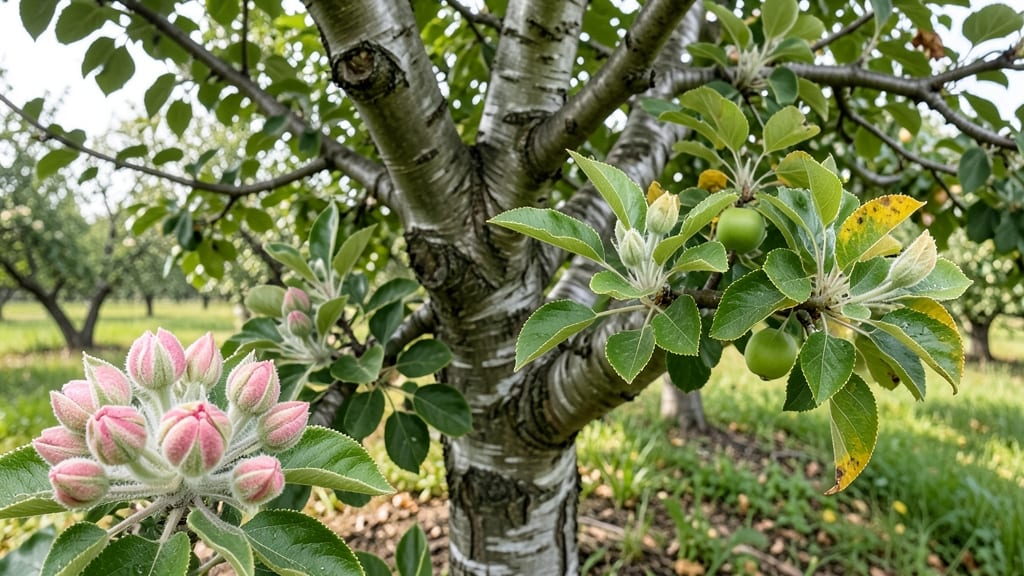
Telling if an apple tree 🍎 will fruit boils down to spotting five key signs before next spring’s blossoms even appear — and avoiding the mistakes that keep trees barren for years.
You’ve probably stood under a lush, leafy apple tree wondering why there’s not a single fruit in sight. Maybe it’s too young, or maybe it’s just not the right variety. The truth is, most trees give subtle clues years before harvest season — if you know where to look.
From the shape of its branches to the health of its blossoms, your tree’s structure tells the story. A mature tree with strong limbs and clusters of pink buds is practically promising a harvest, while a leggy, sparse one might need pruning or better pollination partners.
In this guide, I’ll walk you through five foolproof signs to assess fruiting potential, plus how to fix common roadblocks before they derail your harvest dreams.
5 Key signs your apple tree will fruit (and when to expect them)
Apple trees are patient creatures—they often take 3 to 5 years before producing their first harvest. But if you're watching your tree closely, you can spot early signs of fruiting potential that tell you whether to expect apples next season.
The key is understanding your tree’s age, blossom health, and structural readiness—all of which reveal whether it’s primed for fruit production.
Don’t wait until spring to check for blossoms. Start observing your tree in late winter when the buds begin to swell. A healthy tree will show clear visual cues months before harvest season.
By learning these signs, you’ll know exactly when to expect fruit—and how to encourage more of it. Let’s break down what to look for, from the first buds to the first harvest.
- 1 Tree Age: Standard apple trees fruit at 3-5 years, while dwarf varieties may start as early as 2 years. If your tree is younger, it’s simply not mature enough yet.
- 2 Blossom Clusters: Look for 5-7 flower buds grouped together in spring. These clusters indicate the tree is preparing to fruit. Healthy blossoms are pink or white, not brown or wilted.
- 3 Branch Structure: Mature branches with swollen fruit buds (small, rounded bumps) along the limbs signal fruiting potential. These buds form in late summer for the next year’s harvest.
- 4 Leaf Health: Dark green, leathery leaves without yellowing or spots suggest the tree is healthy and capable of supporting fruit. Poor leaf health often means reduced fruiting.
- 5 Seasonal Cues: If you see fruit spurs (short, stubby branches with clusters of buds) or even tiny applelets (small, undeveloped fruit), your tree is definitely on track for a harvest.
One of the first signs to watch for is the age of your apple tree. Most standard varieties won’t produce fruit until they’re 3 to 5 years old, while dwarf varieties can start as early as 2 years.
If your tree is younger, it’s not a cause for concern—just be patient. But if it’s past this age and still not fruiting, it’s time to investigate further.
Next, focus on the blossoms that appear in early spring. Healthy apple trees produce clusters of 5 to 7 flowers per branch. These blossoms are your first clue that the tree is preparing to fruit.
If you see pink or white flowers instead of brown or wilted ones, your tree is in good shape. Pro tip: Count the blossoms—if you see fewer than 10 clusters on a mature tree, it may need better pollination or fertilization.
Pay close attention to the branch structure of your tree. Mature branches should have swollen fruit buds, which look like small, rounded bumps. These buds form in late summer and indicate where next year’s apples will grow.
If your branches are smooth with no bumps, the tree isn’t ready to fruit yet—or it may need better pruning practices to encourage fruiting wood.
The health of your tree’s leaves is another critical indicator. Dark green, leathery leaves without yellowing or spots mean the tree is healthy and capable of supporting fruit.
If you notice yellowing leaves or signs of disease like black spots or powdery mildew, these can weaken the tree and reduce its ability to produce fruit. Addressing leaf issues early can make a big difference in your harvest.
Finally, keep an eye out for seasonal cues like fruit spurs or tiny applelets. Fruit spurs are short, stubby branches with clusters of buds, and they’re a sure sign your tree is ready to fruit.
If you spot tiny, undeveloped apples (called applelets) in late spring, you can expect a full harvest next season. These signs confirm your tree is on the right track.
To maximize your chances of a bountiful harvest, create a seasonal checklist for your apple tree. Start by pruning in late winter to encourage new growth and better airflow. Then, fertilize in early spring to support blossom and fruit development.
Throughout the growing season, water deeply but infrequently to avoid overwatering, which can stress the tree. Finally, monitor for pests and diseases and address them promptly to keep your tree healthy.
By understanding these 5 key signs, you’ll know exactly when to expect fruit from your apple tree—and how to encourage even more production. With the right care and attention, your tree will reward you with a delicious harvest year after year. Happy growing!
How to diagnose common reasons apple trees fail to fruit
If your apple tree isn’t fruiting, it’s often due to issues you can diagnose early. Many gardeners overlook simple fixes like pollination challenges or poor pruning techniques, which can prevent fruit production entirely. Understanding these common problems helps you take corrective action before next season’s blossoms appear.
Start by examining your tree’s blossoms—if they’re sparse or falling off, this signals a potential issue. Next, check the tree’s age and health, as young trees or those under stress rarely produce fruit.
Even mature trees can struggle if they lack proper nutrients or sunlight, so don’t assume age alone guarantees a harvest.
⚠️ Warning Signs Your Apple Tree Won’t Fruit
If your tree shows these 3 red flags, act fast to save next year’s crop:
- No blossoms in spring → Likely dormancy issues or nutrient deficiency.
- Blossoms but no fruit → Poor pollination or late frost damage.
- Fruit drops early → Over-pruning or disease stress.
One of the most overlooked issues is poor pollination. Apple trees often need a second variety nearby to cross-pollinate. If you’ve planted only one tree, this could explain your lack of fruit. Even if you have multiple varieties, late frosts or bees avoiding the tree can disrupt the process.
Diseases like apple scab or fire blight can also sabotage fruiting. Look for black spots on leaves or oozing cankers on branches—these are clear signs your tree is fighting an infection. Treat these issues early with fungicides or prune affected branches to restore health.
Finally, pruning mistakes often lead to failed fruit production. Over-pruning removes too many fruit buds, while under-pruning creates a dense canopy that blocks sunlight. Aim to prune in late winter, removing dead wood and crossing branches while preserving the tree’s natural shape.
To fix these issues, start with a soil test to check pH and nutrients. Amend the soil with compost and apply a balanced 10-10-10 fertilizer in early spring.
If pollination is the issue, plant a compatible variety within 50 feet of your tree to ensure cross-pollination. With these adjustments, you’ll see blossoms—and eventually, fruit—next season.