
Pruning
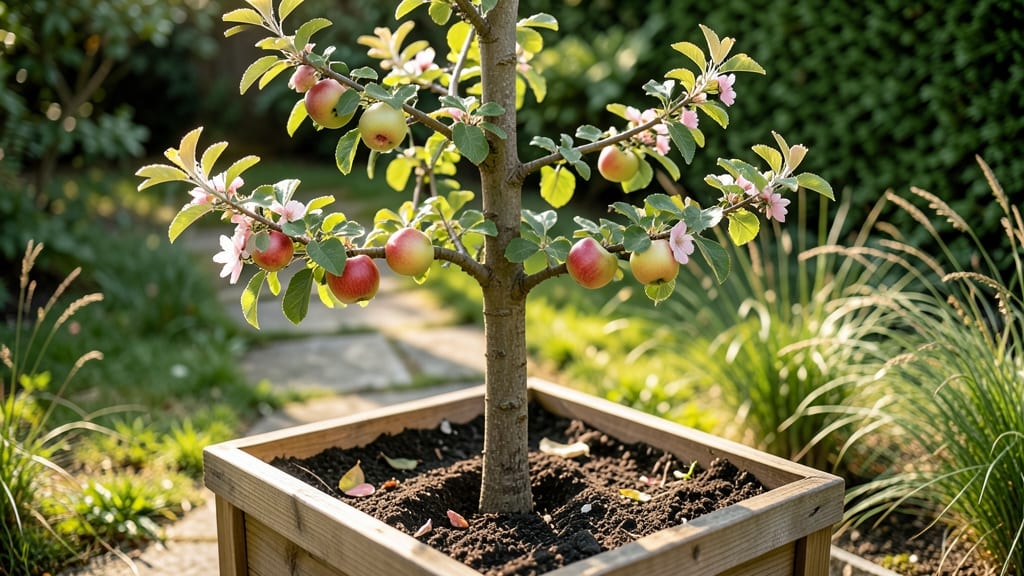
Growing a cordon apple tree lets you harvest crisp, homegrown apples in just three years—without needing a backyard. 🍏 I started mine last spring, and now it’s producing fruit on a sturdy, vertical framework that fits neatly against my fence.
This isn’t your grandma’s sprawling apple tree; it’s a sleek, space-saving design that turns even small patios into fruit orchards.
The secret? Training the tree along a wire or trellis while pruning strategically to encourage fruit-bearing branches. You’ll need a dwarf rootstock variety (like ‘Columnar’ or ‘Espalier’ types) and a sunny spot with well-draining soil.
Most cordons stay under 6 feet tall, making them perfect for urban gardens, balconies, or even indoors with grow lights.
By year three, you’ll be picking sweet, juicy apples straight from your wall—no ladder required. The pruning is simple once you learn the basics, and the tree needs less maintenance than traditional apple trees.
Plus, the sight of fresh fruit growing vertically is oddly satisfying, like a living piece of art.
Ready to transform a corner of your space into a mini orchard? Let’s get your cordon apple tree growing with the right variety, tools, and step-by-step care tips. You’ll be harvesting in no time!
📚 In This Guide
- What you need
- Instructions
- Tips and common mistakes
- Wrapping up and next steps
What you need
- ● Apple tree cordon scion wood: Disease-resistant varieties (e.g., Gala, Fuji, or Honeycrisp) grafted on dwarfing rootstock (e.g., M9 or B9). Quantity: 1–3 scions per tree (depending on desired branches).
- ● Rootstock: 1-year-old, disease-free M9 or B9 rootstock (4–6 ft tall). Quantity: 1 per tree.
- ● Grafting tools: Sharp grafting knife (budding or whip-and-tongue style).
- ● Grafting tape (1/2" wide, 50 ft roll).
- ● Pruning shears (bypass-style, 6–8" blades).
- ● Support structure: Trellis or wire frame (galvanized steel or PVC, 6–8 ft tall).
- ● Stakes or posts (4–6 ft, 3/4" diameter) + twine (for securing).
- ● Planting supplies: Well-draining potting mix (or garden soil amended with compost).
- ● Organic mulch (straw or wood chips, 2–3").
- ● Slow-release fertilizer (10-10-10 or balanced organic option).
- ● Rooting hormone (to boost graft success).
- ● Plant growth regulator (e.g., Paclobutrazol for dwarfing).
- ● Drip irrigation kit (for consistent watering).
- ● Fruit thinning shears (to manage future harvests).
- ● Label tags (to track varieties).
Step-by-step instructions for growing an apple tree cordon
Here's my foolproof method for training a standard apple tree into a space-efficient cordon—ready for fruit in just three years.
🌱 Step 1: Select and Prepare the Rootstock
Choose a dwarfing rootstock like M.9 or MM.106 for compact growth, or semi-dwarfing like M.26 for slightly larger size. These rootstocks produce fruit-bearing trees in 2-3 years instead of the 5+ years of full-size trees. I always inspect the root system first—healthy roots should be white or light tan with no dark, mushy spots.
Plant the rootstock in a 5-gallon container filled with a mix of 50% potting soil and 50% compost. Water thoroughly until it drains from the bottom, then place in a location with 6+ hours of direct sunlight daily. The goal is to establish strong roots before grafting—you'll know it's ready when new shoots emerge from the base.
🪴 Step 2: Graft the Scion Wood in Late Winter
Timing is critical: graft your scion wood between late winter and early spring, just as buds begin to swell but before new growth starts. Select a 1-year-old apple scion with 3-4 buds and healthy bark. I use the whip-and-tongue method for clean unions—make a 1-inch-long diagonal cut on both the rootstock and scion, then fit them snugly together.
Seal the graft with rafting wax or grafting tape to prevent drying. Wrap the union with plastic wrap to maintain humidity, leaving the top bud exposed. Place the container in a 60-65°F environment—like a greenhouse or sunny windowsill—until new growth appears from the scion, which usually takes 4-6 weeks.
☀️ Step 3: Train the Leader Stem Vertically
Once the scion sprouts, remove all side shoots except the strongest one, leaving a single vertical leader stem. Tie this stem to a 6-foot bamboo stake using soft plant ties to keep it upright. The goal is to grow a 4-5 foot tall main trunk with 6-8 evenly spaced lateral branches—this forms the backbone of your cordon.
Pinch back the leader stem when it reaches 12-18 inches tall to encourage lateral branching. You'll see new buds form at the base of the pinched area—these will grow into your horizontal fruiting arms. Prune any suckers that grow from the rootstock to redirect energy into the cordon structure.
✂️ Step 4: Develop Horizontal Branches for Fruit Production
In the second year, select the 4 strongest lateral branches and spread them horizontally along a wire trellis at 12-inch intervals. These branches will become your fruiting arms. Prune each branch back to 6-8 inches long after they've grown 12-18 inches, cutting just above a bud that faces outward.
Remove any vertical growth (called "water sprouts") that appears on these branches—you want all energy directed into horizontal fruiting wood. Thin out any crowded buds so each branch has 3-5 buds spaced evenly. By year three, you should see flower buds forming along these branches, leading to your first harvest.
🍎 Step 5: Maintain and Harvest Your Cordon
Once fruiting begins, thin your apples to 6-8 inches apart to prevent overcrowding and improve fruit size. Harvest when the fruit is fully colored and just begins to soften—this usually occurs in late summer to early fall, depending on your variety. I always harvest on a dry morning to prevent bruising.
After harvest, prune lightly to maintain the cordon shape: remove any dead or crossing branches, and cut back last year's fruiting wood by one-third to encourage new growth. Apply a balanced fruit tree fertilizer in early spring to support next year's crop. With proper care, your cordon will produce fruit for decades in a fraction of the space of a standard tree.
Tips & tricks for perfect apple tree cordons
Creating a productive cordon takes patience, but these insights will help you avoid common pitfalls and maximize your fruit yield in just three years.
Rootstock Readiness: The 50-50 potting soil and compost mix is key for rootstock development, but don't rush the root establishment phase. I've learned the hard way that forcing grafting too early leads to weak unions—wait until you see those first shoots emerge from the base before proceeding to Step 2. Healthy roots should feel firm when gently squeezed, not mushy.
Grafting Precision: That 1-inch diagonal cut for the whip-and-tongue method might seem small, but precision matters. Use a sharp grafting knife and make clean cuts—uneven surfaces create weak junctions that fail during growth. I mark my cuts with a pencil first to ensure perfect alignment before making the final incision. The 60-65°F environment is non-negotiable for successful take—any cooler and the graft may rot.
Pruning Strategy: When pinching back the leader stem at 12-18 inches in Step 3, focus on creating that outward-facing bud. These buds will become your fruiting arms, so make your cuts just above them at a 45-degree angle. I've found that using rubber bands around the pinched area helps stabilize the plant during this critical growth phase—remove them after 2-3 weeks to prevent girdling.
Yearly Maintenance: The one-third pruning of last year's fruiting wood after harvest isn't just about shape—it's about rejuvenation. This technique stimulates new growth while maintaining the cordon's compact form. I always sterilize my pruning shears with rubbing alcohol between cuts to prevent disease spread, especially when working with multiple trees.
Pro Tips for Apple Tree Cordon
- Creating a productive cordon takes patience, but these insights will help you avoid common pitfalls and maximize your fruit yield in just three years.
- Rootstock Readiness: The 50-50 potting soil and compost mix is key for rootstock development, but don't rush the root establishment phase.
- Grafting Precision: That 1-inch diagonal cut for the whip-and-tongue method might seem small, but precision matters.
Frequently asked questions
Got questions about growing an apple tree cordon? You’re not alone!
Here are answers to the most common ones—so you can skip the guesswork and get straight to pruning like a pro.
How long does it take for a cordon apple tree to bear fruit?
A well-maintained cordon apple tree can produce fruit in as little as 2–3 years! With proper pruning, sunlight exposure, and care, you’ll see blossoms (and eventually apples) faster than traditional trees. Patience pays off—just keep training those branches horizontally!
Can a cordon apple tree survive winter in cold climates?
Cordons are hardy and thrive in USDA Zones 4–8 (or colder, depending on the variety). To protect yours:
- Mulch the base with straw or wood chips.
- Wrap the trunk in burlap or tree wrap to shield from harsh winds.
- Prune in late winter to remove dead wood before new growth starts.
What if my cordon branches stop growing or look leggy?
Leggy or slow-growing branches usually mean too much shade, poor nutrition, or over-pruning. Fix it by:
- Thinning out nearby plants for better sunlight.
- Fertilizing with balanced fruit-tree food (high in nitrogen early, potassium later).
- Pruning back overlong branches to encourage bushier growth.
Can I grow more than one variety on a single cordon tree?
Technically yes, but it’s tricky! Cordons are best for one primary variety since they’re trained for efficiency. If you’re determined to mix varieties:
- Choose cross-pollinating types (e.g., ‘Granny Smith’ + ‘Honeycrisp’).
- Plant a second cordon nearby (3–5 feet away) for better pollination.
- Be prepared for uneven fruit production—some branches may favor one variety.
What’s a good alternative if I don’t have space for a cordon?
No room for a cordon? Try these space-saving apple tree options:
- Espalier: Train branches flat against a fence/wall (more decorative, similar care).
- Dwarf apple trees: Grow in containers (5–6 ft tall) with regular pruning.
- Columnar varieties: Narrow, upright trees (like ‘Columnar Red Delicious’) that stay under 8 ft.
Wrapping up and next steps
Growing an apple tree cordon is a rewarding way to enjoy fresh fruit in just three years—without sacrificing your garden space! 🍏 With the right techniques, patience, and care, you’ll soon be harvesting delicious apples while keeping your yard tidy and organized.
Whether you’re a beginner or a seasoned gardener, this space-saving method proves that big flavors don’t need big trees.
Ready to take the next step? Start by selecting your favorite apple variety, gather your tools, and sketch a simple plan for your cordon. Your future harvests are just pruning cuts away! 🌱