
Pruning
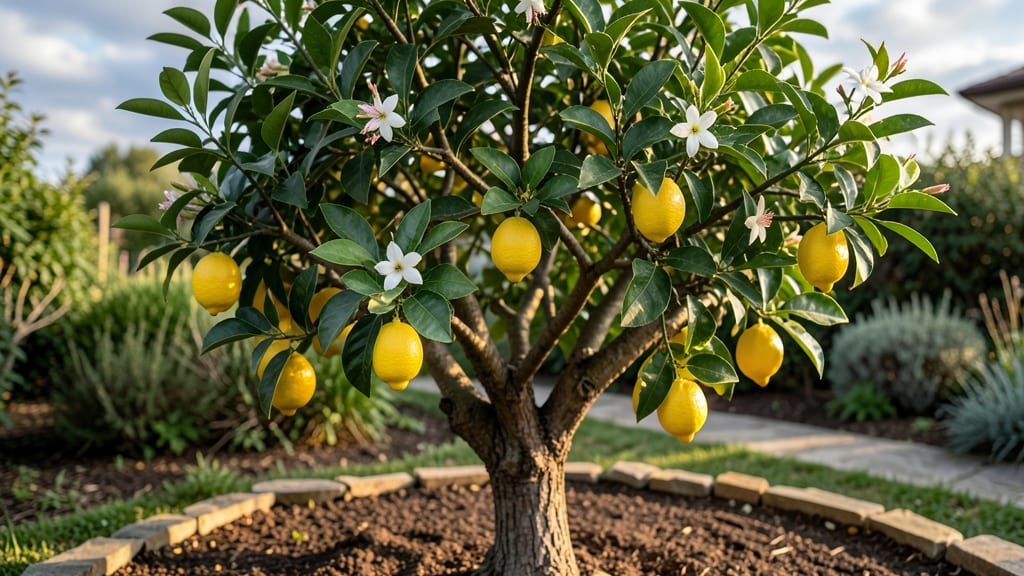
Your lemon tree thrives best within the lemon tree temp range of 60°F and 85°F—anything outside that risks stunted growth or fruit drop. 🌿 I learned this the hard way when my first citrus tree lost all its blossoms after a sudden cold snap, even though I thought it was hardy.
The secret isn’t just avoiding frost; it’s understanding how temperature shifts affect each growth stage, from tender new leaves to heavy fruit loads.
Lemon trees handle 70-80°F best for flowering and fruiting, but they’ll tolerate brief dips to 50°F if protected. The real danger comes from rapid temperature swings—like a hot afternoon followed by a chilly night—which confuses the tree’s natural cycles.
In colder zones, container growing lets you bring potted trees indoors before 45°F hits, while outdoor trees need winter wraps or microclimates near walls.
You’ll spot temperature stress in drooping leaves, yellowing foliage, or fruit that falls prematurely. A sudden heatwave? Mulch the roots and shade the canopy. A cold snap? Move containers to a garage or cover the tree with frost cloth.
The goal is steady conditions—just like how citrus trees grow naturally in Mediterranean climates with mild winters and warm summers.
Indoor lemon trees need bright light and consistent warmth (65-75°F), while outdoor trees in zones 9-11 can stay outside year-round with proper care. Even in tougher climates, a little planning keeps your tree productive—no more sad, fruitless branches. Let’s get yours thriving in your specific zone!
Climate Stress Triggers Temperature Troubles
Lemon trees thrive in specific temperature ranges, but when conditions stray too far from their comfort zone, stress sets in—often leading to stunted growth, leaf drop, or even death.
Understanding the why behind temperature-related struggles helps you protect your citrus investment. Let’s break down the key culprits and their scientific roots.
When temperatures soar above 95°F (35°C), lemon trees experience heat stress, a physiological response that disrupts cellular function. Here’s how it happens:
- Photosynthesis Shutdown: High heat causes stomata (leaf pores) to close to retain moisture, reducing CO₂ intake. Without CO₂, the tree can’t produce energy efficiently, leading to yellowing leaves (chlorosis) or leaf scorch.
- Protein Denaturation: Enzymes in the tree’s cells—like RuBisCO, critical for photosynthesis—lose their 3D structure in extreme heat. This halts metabolic processes, causing wilting or fruit drop.
- Root Suffocation: Soil overheats, killing beneficial mycorrhizal fungi that help roots absorb water. Roots may rot or dry out, starving the tree of nutrients.
Actionable Fix: Provide afternoon shade (e.g., sheer curtains or drip irrigation to cool leaves) and mulch heavily to regulate soil temp.
Lemon trees are tender perennials—they can’t tolerate freezing temps (<32°F/0°C). When frost hits, ice crystals form inside cells, rupturing membranes and blocking water flow. The damage cascades:
- Ice Crystal Formation: Water in plant cells expands as it freezes, physically tearing cell walls. This causes brown, mushy patches on leaves (cold injury).
- Disrupted Nutrient Transport: Xylem vessels (the tree’s "plumbing") clog with ice, halting water and nutrient delivery. Symptoms include blackened twigs or sudden leaf drop.
- Secondary Pathogen Invasion: Damaged tissue becomes an open door for fungi (e.g., Alternaria) or bacteria, leading to further decay.
Actionable Fix: Use frost cloths or string lights to warm the canopy, or plant in microclimates (e.g., near south-facing walls) to delay frost exposure.
Lemon trees despise rapid fluctuations—especially when daytime highs contrast sharply with nighttime lows. This volatility confuses the tree’s circadian rhythms, triggering:
- Osmotic Stress: Cells struggle to balance water intake/output, leading to plasmolysis (cell shrinkage) or turgor loss (wilting).
- Hormonal Chaos: The tree’s abscisic acid (stress hormone) spikes, accelerating leaf drop to "conserve" resources.
- Weakened Root Pressure: Roots can’t keep up with the tree’s demand for water, causing xylem cavitation (air bubbles in vessels) and stunted growth.
Actionable Fix: Monitor forecasts and use row covers during unpredictable weather. Drip irrigation at dawn helps stabilize soil moisture.
Pro Tip: 🌡️ Most lemon varieties (like Meyer or Eureka) prefer 60–85°F (15–29°C). Use a minimum-maximum thermometer near the tree to track daily swings—aim for changes <10°F (5°C) per day.
Adjusting Your Lemon Tree’s Climate
If your lemon tree is struggling due to temperature extremes, don’t panic—there are practical ways to restore its comfort and keep it thriving. Below are tailored solutions for common temperature-related issues, from quick fixes to long-term prevention. 🌡️🌿
Lemon trees (Citrus × limon) are tropical at heart and can’t handle prolonged cold. If leaves turn brown, blacken, or drop after a frost, act fast to minimize damage and protect future growth.
#### 🍳 Immediate First Aid for Cold Damage - Trim dead branches 🔪: Use sterilized pruning shears to cut back any blackened or mushy stems. This prevents disease from spreading. - Cover young trees 🌡️: If frost is forecasted, drape frost cloth or a lightweight blanket over the tree (secure it with stakes or bricks to avoid crushing). - Water deeply at dusk 💦: Moist soil retains heat better than dry soil. Avoid wetting leaves, as this can encourage fungal growth. #### 🌡️ Long-Term Cold Protection - Move potted trees indoors 🏠: If you live in USDA Zones 9-11, bring container-grown lemon trees inside before temperatures drop below 40°F (4°C). A sunny windowsill or grow light works well. - Plant in microclimates 🌳: Choose sheltered spots near walls, fences, or under deciduous trees (which lose leaves in winter and let sunlight through). - Use mulch 🍂: Apply a 2–3 inch layer of organic mulch (straw, wood chips) around the base to insulate roots. Pro tip: Avoid piling mulch against the trunk to prevent rot.While lemon trees love warmth, extreme heat (above 95°F/35°C) or drought can cause leaf scorch, wilting, or fruit drop. Here’s how to cool things down:
#### 👨🍳 Quick Cooling Strategies - Shade cloth to the rescue 🌞: Install 30–50% shade cloth during peak summer hours (10 AM–4 PM) to filter harsh sunlight. Secure it 2–3 feet above the tree to allow airflow. - Mulch heavily 🌿: Mulch reflects heat away from roots and locks in moisture. Opt for light-colored mulch (like straw) in hot climates. - Deep watering at dawn 💧: Water slowly and deeply (1–2 inches per week) to encourage root growth. Avoid overhead watering to prevent fungal issues. #### 🌡️ Preventing Heat Damage - Prune for airflow ✂️: Thin out dense foliage to improve circulation, reducing heat buildup. Focus on removing inward-growing branches. - Choose heat-tolerant varieties 🍋: If you’re in a hot zone (e.g., Zone 10+), opt for varieties like Meyer lemons or Eureka, which handle heat better than standard types. - Drip irrigation system 💡: Automate watering with a drip system to deliver consistent moisture without wetting leaves.Lemon trees dislike rapid temperature fluctuations (e.g., hot days and cold nights). This stress can stunt growth or cause blossom drop. Here’s how to stabilize conditions:
#### 🏡 Indoor Adjustments for Potted Trees - Use a heat mat 🔥: Place potted trees on a heat mat (set to 70–75°F/21–24°C) during winter nights to mimic tropical warmth. - Group plants together 🌱: Cluster lemon trees with other tropical plants (like jasmine or hibiscus) to create a microclimate with shared humidity. - Humidifier help 💧: If indoor air is dry (common in winter), run a humidifier nearby to keep leaves from crisping. #### 🌳 Outdoor Solutions for Container Growers - Move trees strategically 🚜: In transitional seasons (spring/fall), relocate potted trees to a garage, patio cover, or greenhouse during temperature swings. - Windbreaks 🌬️: Plant fast-growing shrubs (like bamboo or boxwood) as a windbreak to shield trees from cold drafts or hot winds. - Avoid nighttime watering 🌙: Watering late in the day can drop temperatures too fast. Stick to early morning watering instead.Once you’ve addressed immediate issues, focus on these proactive steps to keep your lemon tree in its ideal 60–90°F (15–32°C) range:
- Monitor soil temperature 🌡️: Use a soil thermometer to ensure roots stay above 55°F (13°C). Cold soil = stressed roots. - Fertilize wisely 🌱: In early spring, apply a citrus-specific fertilizer (high in nitrogen) to boost resilience. Avoid fertilizing in extreme heat. - Acclimate gradually ⏳: If moving a potted tree outdoors, harden it off over 7–10 days by exposing it to increasing sunlight and temperature changes. - Watch for pests 🐜: Stressed trees attract aphids, spider mites, or scale. Inspect leaves regularly and treat with neem oil if needed.With these adjustments, your lemon tree will bounce back from temperature shocks and thrive in its growing zone. 🌟 The key is observation + quick action—so keep an eye on the weather and your tree’s cues!
Frequently asked questions about lemon tree temperature needs
What’s the safest temperature range for my lemon tree?
Lemon trees thrive in 60–85°F (15–29°C), with 70–80°F (21–27°C) being ideal for flowering and fruiting. They can tolerate brief dips to 50°F (10°C) or spikes to 95°F (35°C), but prolonged extremes cause stress. Use shade cloth for heatwaves and frost blankets for cold snaps.
Can lemon trees survive winter in cold climates?
No, lemon trees are tender perennials and can’t handle frost (<32°F/0°C). In colder zones (
Why do my lemon tree’s leaves turn yellow in summer?
Yellowing leaves often signal heat stress or overwatering. Lemon trees close their stomata (leaf pores) in extreme heat (>95°F/35°C), disrupting photosynthesis. Provide afternoon shade, mulch heavily, and water deeply at dawn. Avoid wetting leaves to prevent fungal issues.
How do I protect a potted lemon tree from temperature swings?
Move potted trees to a garage, patio cover, or sunny windowsill during temperature fluctuations. Use a heat mat (70–75°F/21–24°C) for winter nights and group plants together to create a humid microclimate. Avoid nighttime watering, which can drop temperatures too fast.
What’s the best way to revive a lemon tree after frost damage?
First, trim all blackened or mushy branches with sterilized shears. Water deeply at dusk to insulate roots, then apply a 2–3 inch layer of mulch. If the tree is potted, move it indoors to a bright, warm spot (65–75°F/18–24°C) until new growth appears.