
Trees
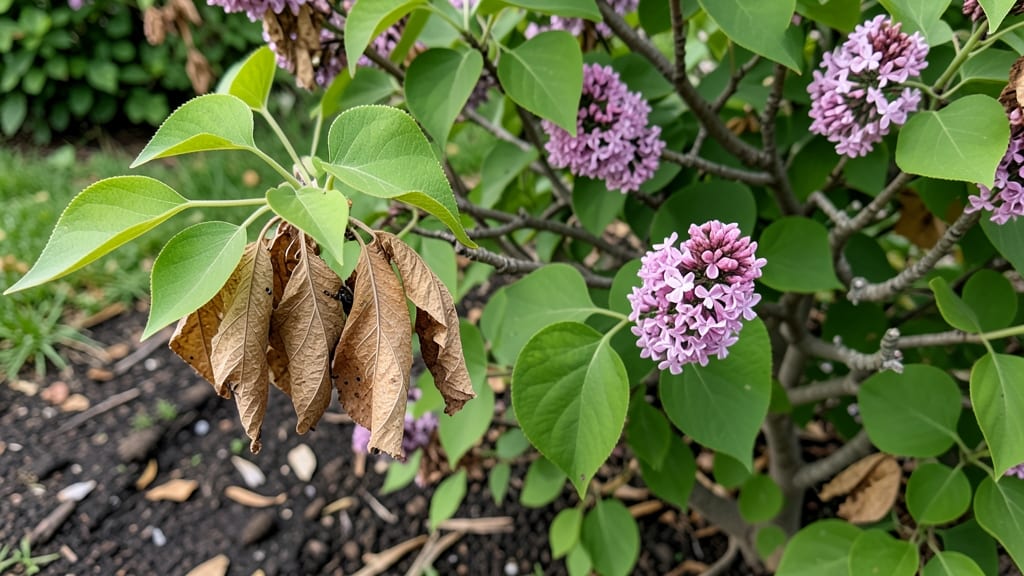
Your lilac tree’s leaves turning brown isn’t just unsightly—it’s a cry for help from a plant that should be thriving. ✨ I’ve seen this happen after a single scorching summer or when fungal spores get the upper hand, and the good news is most cases have straightforward fixes once you know what’s wrong.
The culprits are usually one of four things: powdery mildew (that white dust on leaves), drought stress (crispy edges from too little water), nutrient deficiencies (yellowing between veins), or pests (tiny holes or webs). Each needs a different approach—whether it’s pruning for airflow, adjusting watering, or applying a targeted treatment.
By the time you’re done, your lilac will look like it did in its prime—vibrant green, full of buds, and ready to perfume your yard again. The key is acting fast before the problem spreads deeper into the branches.
This works for both young and mature lilacs, and the fixes are simple enough for anyone to handle without fancy tools. Let’s get those leaves healthy again—starting with the right diagnosis.
Root Causes Behind Browning Leaves
When your lilac tree’s leaves start turning brown, it’s often a cry for help from the plant itself. Understanding the why behind this discoloration is the first step to restoring your tree’s health.
Below, we break down the most common culprits—each with a clear scientific explanation and actionable insights to address them.
Lilacs are hardy but not drought-proof. When temperatures soar or rainfall dwindles, leaves may scorch and brown at the edges—a classic sign of heat stress. This occurs when the tree’s transpiration rate outpaces its water uptake, causing cellular damage.
Why it happens:
- Water deficit: Lilacs thrive in well-drained soil but need consistent moisture, especially during blooming (spring) and hot summers. Root zones dry out faster than you’d expect, triggering stress signals.
- Oxidative damage: High light intensity + low water = excess oxygen radicals in leaf cells, leading to chlorosis (yellowing) followed by browning.
- Stomatal closure: To conserve water, stomata (leaf pores) shut down, halting gas exchange. This stunts photosynthesis and weakens leaves.
💡 Pro Tip: Monitor soil moisture by inserting a finger 2–3 inches deep. If dry, water deeply 1–2 times per week (early morning or evening) and mulch with 2–3 inches of organic matter to retain moisture. Avoid overhead watering, which can promote fungal issues.
Brown, crusty patches or powdery coatings on lilac leaves? Fungi like powdery mildew or anthracnose are likely the culprits. These pathogens thrive in humid, shaded conditions, weakening leaves until they brown and drop.
Why it happens:
- Spores spread: Fungal spores latch onto leaves via wind or splashing water, germinating in damp environments (ideal humidity: 75%+). Powdery mildew, for example, creates a white, talcum-like layer that blocks sunlight, causing browning.
- Nutrient theft: Fungi absorb nutrients from leaves, starving the tree. Infected areas turn brown as cells die from starvation.
- Seasonal triggers: Lilacs are most vulnerable post-bloom (late spring) when leaves are tender and humidity spikes.
🔥 Action Steps:
- Prune for airflow: Remove crowded branches to improve circulation (aim for open-canopy structure).
- Fungicide treatment: Apply a copper-based or neem oil spray every 7–10 days during outbreaks. For severe cases, use systemic fungicides like myclobutanil.
- Preventative care: Water at the base (not leaves) and avoid overhead irrigation. Clean up fallen leaves to remove spore sources.
Brown, speckled leaves or bleached patches? Your lilac might be reacting to air pollution, herbicide drift, or even over-zealous fertilizer use. Lilacs are sensitive to salt buildup and chlorine, which disrupt cellular membranes and cause necrosis (dead tissue).
Why it happens:
- Ozone damage: Urban areas with high ozone levels (common in summer smog) cause stippling (tiny brown spots) by breaking down leaf pigments.
- Herbicide drift: Glyphosate or other broadleaf herbicides can systemically poison lilacs if sprayed nearby, leading to brown, curled leaves.
- Fertilizer burn: Excessive nitrogen or salt (from synthetic fertilizers) alters soil pH, preventing root uptake of water and nutrients.
- Chlorine shock: Watering with chlorinated tap water (especially in hot weather) can scorch leaves by disrupting cellular processes.
🌡️ Solutions:
- Flush the soil: Water deeply to leach out excess salts. For severe cases, amend soil with compost or peat moss to balance pH.
- Use filtered water: Collect rainwater or let tap water sit for 24 hours before watering to reduce chlorine.
- Avoid synthetic chemicals: Switch to orgnic fertilizers (like fish emulsion) and spot-treat weeds manually.
- Create a buffer zone: Plant a hedge or barrier between your lilac and lawns treated with herbicides.
Tiny yellow dots, sticky residue, or web-like structures on leaves? Pests like aphids, spider mites, or scale insects are likely draining your lilac’s vitality. Their saliva contains toxins that disrupt leaf function, leading to brown, curled, or puckered foliage.
Why it happens:
- Sap extraction: Pests pierce cells to feed on phloem sap, injecting toxins that block chlorophyll production and cause browning.
- Secondary infections: Damaged leaves become entry points for fungi/bacteria, accelerating decay.
- Environmental stress: Drought-stressed lilacs attract more pests, creating a vicious cycle.
🎯 Pest-Specific Fixes:
Pest
Signs
Solution
Aphids
Sticky honeydew, curled leaves, black sooty mold
Spray with soapy water (1 tsp mild soap per liter) or introduce ladybugs.
Spider Mites
Fine webbing, speckled yellow/brown leaves
Blast off mites with water; apply neem oil or horticultural oil.
Scale Insects
Bumpy, shell-like pests on stems/leaves
Scrape off manually or use dormant oil in late winter.
🔍 Key Takeaway: Browning leaves are rarely a single issue—combine observation (check for pests, soil moisture, or fungal growth) with targeted fixes. Start with the most likely cause (e.g., drought in summer, mildew in humidity), and adjust as needed. Your lilac’s vibrant green comeback is closer than you think!
Quick Fixes for Reviving Your Lilac Tree
Now that you’ve identified why your lilac tree’s leaves are turning brown—whether from pests, disease, environmental stress, or nutrient deficiencies—it’s time to take action! The good news?
Most issues are fixable with the right care. Below are practical, step-by-step solutions tailored to each cause, plus prevention tips to keep your lilac thriving long-term.
Signs: Yellowing leaves, brown edges, soggy soil, or roots exposed above ground.
- 🌱 Adjust Your Watering Routine - Lilacs prefer well-drained soil and moderate moisture.
Water deeply 1–2 times per week (adjust for rain), ensuring the top 2–3 inches of soil dry out between sessions. - Test drainage: Dig a small hole near the tree, fill it with water, and time how long it takes to drain.
If it pools for hours, improve drainage (see next step).
- 🏗️ Improve Soil Drainage
- Mix compost or organic matter (like leaf mold) into the soil around the base to loosen it.
- For heavy clay soil, amend with perlite or coarse sand to create air pockets.
- If the tree is in a container, add drainage holes and repot with fresh, well-draining potting mix.
- ⏰ Prune Damaged Roots (If Necessary)
- If roots are rotting (black/mushy), trim away affected sections with sterilized pruners and replant in a slightly elevated mound of soil to encourage better drainage.
💡 Prevention Tip:
- Mulch properly: Apply a 2–3 inch layer of mulch (wood chips or straw) 3 inches away from the trunk to retain moisture without suffocating roots.
Signs: White powdery patches, brown spots with yellow halos, or black specks on leaves.
- 🌿 Prune for Better Airflow
- Remove crowded branches or nearby plants blocking airflow. Thin out foliage to let sunlight and air circulate.
- 🧴 Apply Fungicide (Organic or Chemical)
- Neem oil spray (mix 1 tbsp neem oil + 1 tsp mild soap + 1 quart water) – spray early morning or evening to avoid burning leaves.
- Baking soda solution (1 tbsp baking soda + 1 quart water + a drop of soap) – reapply every 7–10 days.
- For severe cases, use a copper-based fungicide (follow label instructions).
- 🌱 Boost Tree Health
- Fertilize lightly with a balanced, slow-release fertilizer (10-10-10) in early spring to strengthen resistance.
- Water at the base (avoid wetting leaves) to reduce fungal spores.
💡 Prevention Tip:
- Space plants 3–5 feet apart to prevent humidity buildup.
- Clean up fallen leaves in autumn to remove fungal spores.
Signs: Sticky residue (honeydew), tiny webs, chewed leaves, or wilting branches.
- 🔪 Blast Off Pests with Water
- Use a strong hose spray to dislodge aphids and spider mites from leaves.
- 🍎 Introduce Natural Predators
- Ladybugs or lacewings (buy online or attract with companion plants like marigolds).
- Bird feeders near the tree encourage birds that eat beetles and caterpillars.
- 🧴 Use Insecticidal Soap or Oil
- Insecticidal soap (spray directly on pests; reapply every 5–7 days).
- Horticultural oil (apply in early spring or late fall when pests are dormant).
- 🌱 Remove Severely Infested Parts
- Prune and dispose of heavily damaged leaves/branches (don’t compost them!).
💡 Prevention Tip:
- Plant pest-repelling companions like rosemary, lavender, or catnip nearby.
- Inspect new plants before bringing them home to avoid introducing pests.
Signs: Uniform yellowing (chlorosis), stunted growth, or crispy brown edges.
- 📊 Test Your Soil
- Use a home soil test kit or send a sample to a local extension office to check pH and nutrient levels.
- Lilacs prefer slightly acidic to neutral soil (pH 6.0–7.0).
- 🌱 Adjust Fertilizer Use
- If deficient: Apply a balanced fertilizer (like 10-10-10) in early spring before new growth.
- If over-fertilized: Flush the soil with water to leach excess salts, then amend with compost.
- 🍎 Target-Specific Nutrients
- For iron/chlorosis: Sprinkle iron sulfate or chelated iron around the base.
- For nitrogen: Use fish emulsion or blood meal (lightly, as lilacs don’t need heavy feeding).
💡 Prevention Tip:
- Fertilize sparingly—lilacs are low-maintenance and often don’t need extra nutrients if planted in good soil.
- Avoid synthetic fertilizers—opt for organic, slow-release options to prevent burns.
- 🌿 Prune Strategically
- Remove dead, diseased, or crossing branches in late winter or early spring (when the tree is dormant).
- Use clean, sharp pruners and make cuts at a 45-degree angle just above a bud.
- 🌱 Mulch and Water Deeply
- Reapply mulch (2–3 inches) to retain moisture and regulate soil temperature.
- Water deeply (1–1.5 inches per week) but avoid wetting leaves to prevent disease.
- 🌡️ Monitor and Adapt
- Keep a gardening journal to track changes in leaf color, weather, and care routines.
- Adjust care based on seasonal shifts (e.g., reduce watering in winter).
✨ Final Pro Tip: Lilacs are hardy and resilient—with the right fixes, most trees bounce back within 1–2 growing seasons. If leaves persistently brown despite care, consider root health (a certified arborist can check for root rot or disease).
Now grab your gloves and get to work—your lilac’s comeback starts today! 🌿💪
Frequently asked questions
Why are my lilac leaves turning brown only on the edges?
This is usually a sign of underwatering or heat stress. Lilac trees need consistent moisture, especially during hot summer days. Check the soil 2-3 inches deep—if it's dry, water deeply 1-2 times per week (early morning or evening). Mulching with 2-3 inches of organic matter helps retain moisture and prevent soil from drying out too quickly.
What does powdery mildew look like on lilac leaves, and how do I treat it?
Powdery mildew appears as a white, dusty coating on leaves that eventually causes brown, dead patches. To treat it, prune for better airflow by removing crowded branches, then apply a neem oil spray (1 tbsp neem oil + 1 tsp mild soap + 1 quart water) every 7-10 days. For severe cases, use a copper-based fungicide following label instructions. Always water at the base, not the leaves, to reduce humidity.
Can I still save my lilac if half the leaves are already brown?
Yes! Act fast by pruning the damaged leaves (don’t compost them—they may spread disease) and focusing on the root cause. If it’s drought, water deeply and mulch. If it’s fungal, apply fungicide. Lilacs are resilient—healthy new growth will emerge from the remaining buds. Just avoid fertilizing until the tree shows signs of recovery, as this can stress it further.
Are brown lilac leaves contagious to other plants?
Only if the browning is caused by fungal diseases (like powdery mildew or anthracnose) or pests (like spider mites). If that’s the case, isolate the lilac until treated and avoid composting the fallen leaves. For environmental causes (drought, heat, or chemical damage), the issue isn’t contagious—just adjust your care routine for all plants in the same conditions.
How often should I fertilize a lilac tree with brown leaves?
If your lilac has brown leaves, hold off on fertilizing until you’ve addressed the underlying issue (like drought or disease). Once the tree shows new green growth, apply a balanced, slow-release fertilizer (like 10-10-10) in early spring—just once per year. Lilacs are low-maintenance and often don’t need extra nutrients if planted in good soil. Over-fertilizing can worsen stress and lead to more browning.