
Pruning
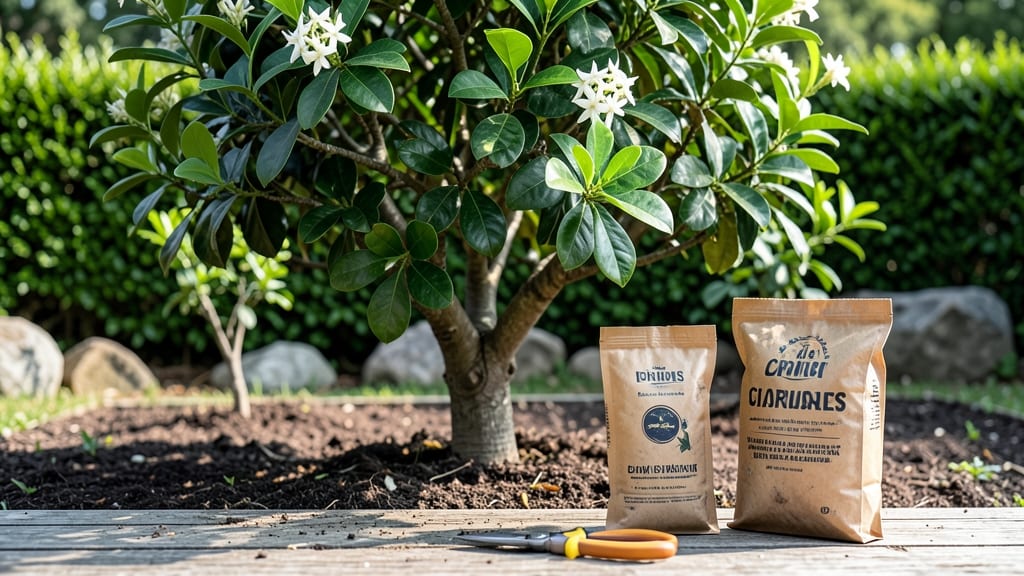
Your lime tree not fruiting usually boils down to one of three things: pruning mistakes, hidden stress, or pollination roadblocks—and the fix often starts with a sharp pair of shears. 🌿 I’ve nursed back three lime trees from "pretty but useless" to "bursting with fruit" by addressing these exact issues, and the solutions are simpler than you’d think.
First, check the age—young trees focus on growth, not fruit, but if yours is mature and still bare, pruning is likely the culprit. Over-trimming weakens the tree’s energy reserves, while under-pruning blocks sunlight from reaching the center.
Then there’s the sneaky stuff: nutrient deficiencies (especially nitrogen or zinc), pests (like aphids or scale) siphoning energy, or poor pollination from lack of bees or wind. Even a single missing piece can stall fruit production.
The good news? Pruning right now—in late winter or early spring—can trigger a fruit explosion by summer. You’ll see new growth, thicker foliage, and within months, those telltale lime blossoms.
Start with the 3-D pruning method: deadwood first, then diseased branches, and finally thinning to open the canopy. It’s not rocket science, but it is the difference between a tree that looks good and one that feeds you.
If you’ve pruned correctly and still see no fruit, dig deeper: test your soil, introduce pollinators, and fertilize with citrus-specific nutrients.
Most home gardeners solve 90% of fruiting problems with these steps—but if your tree stays stubborn after a full season, it might need a specialist’s eye for deeper issues like root rot or disease. Let’s get those branches trimmed and those fruits growing!
Common Causes Behind Barren Lime Trees
If your lime tree is refusing to bear fruit, the issue likely stems from one (or several) of these key environmental, biological, or cultural factors. Understanding the root cause is the first step toward reviving your tree’s productivity.
Let’s break down why your lime tree might be skipping the harvest—and what you can do about it.
Most lime tree varieties—especially those like Citrus aurantifolia (key lime) or Citrus × latifolia (Persian lime)—require a specific number of cold hours (typically 100–300 hours below 45°F or 7°C) during dormancy to trigger flowering. Without this chill period:
- Hormonal cues fail: Cold exposure helps break dormancy and signals the tree to shift from vegetative growth (leaves/stems) to reproductive growth (flowers/fruit).
- Floral buds abort: If temps stay too warm year-round, the tree may produce aborted flower buds that drop off before blooming.
- Tropical vs. subtropical confusion: True tropical limes (e.g., Citrus microcarpa) need zero chill hours, but even they struggle if temps fluctuate wildly.
💡 Pro Tip: If you’re in a warm-winter zone (e.g., Florida, California coastal areas), consider artificial chilling by lightly pruning in late winter to reduce foliage and exposing branches to cooler nights. For potted trees, move them to a garage or shaded patio during mild winters to simulate chill.
Pruning is a double-edged sword—too much or at the wrong time can send your lime tree into overdrive with leafy growth at the expense of flowers. Here’s how it backfires:
- Excessive defoliation: Removing >25% of foliage in one go starves the tree of energy needed for fruit production. Lime trees rely on photosynthetic balance; aggressive pruning shifts resources toward regrowth, not flowers.
- Pruning after flowering: If you trim after buds form (typically winter–early spring), you risk removing potential fruit clusters before they set.
- Improper cuts: Topping (cutting back to stubs) or heading back too harshly can create weak, water-sprout growth that never matures into fruiting wood.
✨ Fix It: Prune only in late winter/early spring (just before buds swell) and never remove more than 20% of the canopy. Focus on open-center shaping to improve air flow and sunlight penetration—both critical for flower development.
Lime trees are sensitive to water fluctuations, and both drought and overwatering can halt fruit production. Here’s how:
- Drought stress: Underwatering causes root shrinkage and abscisic acid buildup (a stress hormone that inhibits flowering). The tree prioritizes survival over reproduction.
- Overwatering: Soggy soil leads to root rot (Phytophthora or Fusarium), which blocks nutrient uptake (especially nitrogen and phosphorus, key for flowering).
- Inconsistent moisture: Lime trees thrive on even moisture. Sudden dry spells after heavy watering can cause flower drop.
🌡️ Ideal Conditions:
Soil Moisture
Frequency
Signs of Stress
1–2 inches of water per week
Deep watering every 5–7 days (more in heatwaves)
Wilting leaves (underwatering) or yellowing, mushy roots (overwatering)
💡 Pro Tip: Use drip irrigation or soaker hoses to deliver water slowly at the root zone—avoid overhead sprinklers, which can wash away soil microbes and cause fungal issues.
Lime trees need a precise nutrient ratio to produce flowers and fruit. Common imbalances include:
- Excess nitrogen (N): While nitrogen fuels leafy growth, too much (e.g., from over-fertilizing with lawn fertilizer) delays flowering by encouraging vegetative growth.
- Phosphorus (P) or potassium (K) deficiency: These nutrients are critical for flower initiation. Low P/K ratios (common in sandy soils) lead to small, weak buds that drop off.
- Micronutrient deficiencies: Zinc, boron, or magnesium deficiencies can stunt flower development. For example, boron is essential for pollination and fruit set.
📊 Soil Test First: Send a soil sample to your local extension office for a pH and nutrient analysis. Lime trees prefer pH 6.0–7.0. Adjust with:
- Low P/K? Use a balanced citrus fertilizer (e.g., 6-6-6 or 8-3-9) in early spring.
- High N? Switch to a low-nitrogen, high-P/K formula (e.g., 3-6-6).
- Micronutrient fix: Apply chelated zinc or boron per label instructions.
Even if your lime tree blooms, failed pollination or weak flowers can prevent fruiting. Common culprits:
- No pollinators: Lime flowers are self-pollinating but insect-assisted. Bees, butterflies, and hummingbirds transfer pollen. In greenhouse or urban settings, you may need to hand-pollinate with a soft brush.
- Flower drop: Thrips, aphids, or fungal diseases (e.g., Alternaria) can damage flower buds before they open. Stress from heatwaves or wind can also cause buds to abort.
- Frost damage: A single late frost (<32°F or 0°C) can kill open flowers or young fruit, discouraging the tree from blooming again.
👨🍳 Hand
Revitalize Your Lime Tree’s Fruit Production
If your lime tree is struggling to bear fruit, the good news is that many common issues have simple, effective fixes—especially when it comes to pruning and care. Below, we’ve mapped out practical solutions for each cause, along with prevention tips to keep your tree thriving.
Let’s get your lime tree back on track to a bountiful harvest!
Problem: Over-pruning, wrong timing, or aggressive cuts can shock the tree and stunt fruit production.
Solution: ✅ 🔪 Prune at the Right Time
- Best time: Late winter or early spring (before new growth starts).
- Avoid: Pruning during flowering or fruiting season—this removes potential fruit buds.
- Pro tip: 💡 If you must prune during the season, do so lightly and only to remove dead or diseased branches.
✅ 👨🍳 Use the Right Technique
- Focus on open-center pruning to improve airflow and sunlight penetration.
- Remove suckers (shoots growing from the base) and water sprouts (fast-growing vertical shoots).
- Cut back overly dense branches to reduce competition for energy.
✅ 🌿 Shape for Balance
- Aim for a rounded canopy—this encourages even sunlight exposure, which is crucial for flowering.
- Avoid top-heavy pruning, which can stress the tree.
Prevention:
- Schedule pruning once a year (early spring) and stick to a light maintenance trim mid-season if needed.
- Use sterilized pruners to prevent disease spread.
Problem: Lime trees need full sun (6-8+ hours daily) to flower and fruit. Shade or poor light weakens the tree.
Solution: ✅ 🌞 Relocate or Thin Obstructions
- Move potted lime trees to a sunnier spot (south or west-facing is ideal).
- If outdoors, trim nearby trees/shrubs blocking sunlight.
- Pro tip: 🌡️ If relocating, do it gradually over a week to avoid shocking the tree.
✅ 🔄 Optimize Container Size (For Potted Trees)
- Ensure the pot is large enough (at least 15-20 gallons for mature trees).
- Use well-draining soil (sandy loam mixed with compost) to prevent root stress.
Prevention:
- Plant lime trees in full sun from the start (avoid under tree canopies).
- Monitor sunlight exposure monthly—adjust pruning or shading as seasons change.
Problem: Overwatering, underwatering, or poor soil drainage can stress the tree and reduce flowering.
Solution: ✅ 💦 Master the Watering Routine
- Water deeply but infrequently—aim for 1-1.5 inches per week (more in extreme heat).
- Check soil moisture: Stick your finger 2 inches deep—water if dry.
- Avoid soggy soil: Lime trees hate wet feet—ensure pots/containers have drainage holes.
✅ 🌱 Improve Soil Quality - Amend heavy clay soil with compost or perlite to improve drainage. - Test soil pH: Lime trees prefer slightly acidic to neutral (6.0-7.0).
Adjust with lime (to raise pH) or sulfur (to lower pH) if needed. - Fertilize smartly: - Use a balanced fertilizer (10-10-10) in early spring. - Switch to a low-nitrogen, high-phosphorus (5-10-10) fertilizer during flowering to boost fruit set. - Pro tip: ✨ Avoid high-nitrogen fertilizers—they promote leafy growth at the expense of flowers!
Prevention:
- Mulch around the base (2-3 inches of organic mulch) to retain moisture and regulate soil temperature.
- Water in the morning to reduce evaporation and fungal risks.
Problem: Pests (like aphids, scale, or mites) or diseases (like root rot or citrus canker) drain the tree’s energy.
Solution: ✅ 🐜 Identify & Remove Pests
- Spray with neem oil (natural insecticide) for soft-bodied pests like aphids.
- Prune and dispose of infested branches immediately.
- Introduce beneficial insects (ladybugs, lacewings) for long-term control.
✅ 🌿 Fight Fungal Diseases
- Prevent root rot: Ensure proper drainage and avoid overwatering.
- Treat citrus canker: Remove infected leaves/branches, then spray with copper fungicide.
- Pro tip: 💡 Clean pruners with rubbing alcohol between cuts to prevent spreading disease.
Prevention:
- Inspect trees weekly for early signs of pests/diseases.
- Avoid overhead watering (use drip irrigation or water at the base).
Problem: Extreme heat, cold snaps, or sudden temperature swings can halt flowering.
Solution: ✅ 🔥 Protect from Heat Stress
- Mulch heavily to keep roots cool.
- Provide afternoon shade in scorching climates (use shade cloth if needed).
- Water deeply during heatwaves to prevent wilting.
✅ ❄️ Shield from Cold Damage
- Move potted trees indoors (or to a garage) if frost is forecasted.
- Wrap the trunk with burlap or frost cloth for young trees.
- Avoid pruning in late fall/winter—wait until spring to assess damage.
Prevention:
- Choose cold-hardy lime varieties (like ‘Meyer’ limes) if you live in cooler zones.
- Monitor weather forecasts and act early to protect your tree.
If your lime tree is otherwise healthy but still not flowering, try these gentle boosts:
- 🌸 Shock the Tree (Lightly): Prune back 1/3 of the canopy in late winter to stimulate new growth and flowering.
- 🍯 Use Flowering Hormones: Spray with flowering promoters (like Florel) in early spring to trigger blooms.
- 🌿 Hand-Pollinate: If bees are scarce, use a soft paintbrush to transfer pollen between flowers.
Final Pro Tip: 🌟 Patience is key! Lime trees can take 2-5 years to mature and fruit after major pruning or stress relief. Stick with the care plan, and your tree will reward you with juicy, homegrown limes in no time!
Frequently asked questions
How long does it take for a lime tree to start fruiting after pruning?
With proper pruning and care, you can expect to see new blossoms within 4-8 weeks after a late-winter/early-spring trim. However, full fruit production may take 1-2 seasons (6-12 months) as the tree redirects energy to flowering. Young trees (3 years old) may need 2-5 years total to bear fruit consistently.
Can I force a lime tree to fruit faster?
Yes! Try these 3 quick boosts:
- Apply a low-nitrogen, high-phosphorus fertilizer (like 5-10-10) in early spring,
- hand-pollinate flowers with a soft brush if bees are scarce, and
- prune lightly in late winter to stimulate new growth. Combine these with full sun (6+ hours daily) for best results.
Why did my lime tree bloom but no fruit formed?
This usually happens due to failed pollination (no bees) or environmental stress. Check for:
- Pests (aphids/thrips) damaging buds,
- Extreme heat/wind causing flower drop, or
- Nutrient deficiencies (especially boron or zinc). Try hand-pollinating with a brush and applying chelated micronutrients to encourage fruit set.
Is it normal for a potted lime tree to not fruit?
Potted lime trees often fruit less reliably due to root restriction or inconsistent care. To improve fruiting:
- Use a minimum 15-gallon pot with drainage holes,
- Repot every 2-3 years with fresh citrus soil, and
- Move outdoors in warm months for full sun. Container-grown trees need more frequent fertilizing (every 4-6 weeks in growing season).
What’s the best time of year to prune for maximum fruit?
The perfect window is late winter to early spring (just before buds swell), when the tree is dormant but about to wake up. Avoid pruning during flowering (spring) or fruiting (summer/fall)—this removes potential fruit buds. For tropical zones, light pruning can happen year-round, but focus on removing dead wood and thinning dense areas to improve airflow.