
Pruning
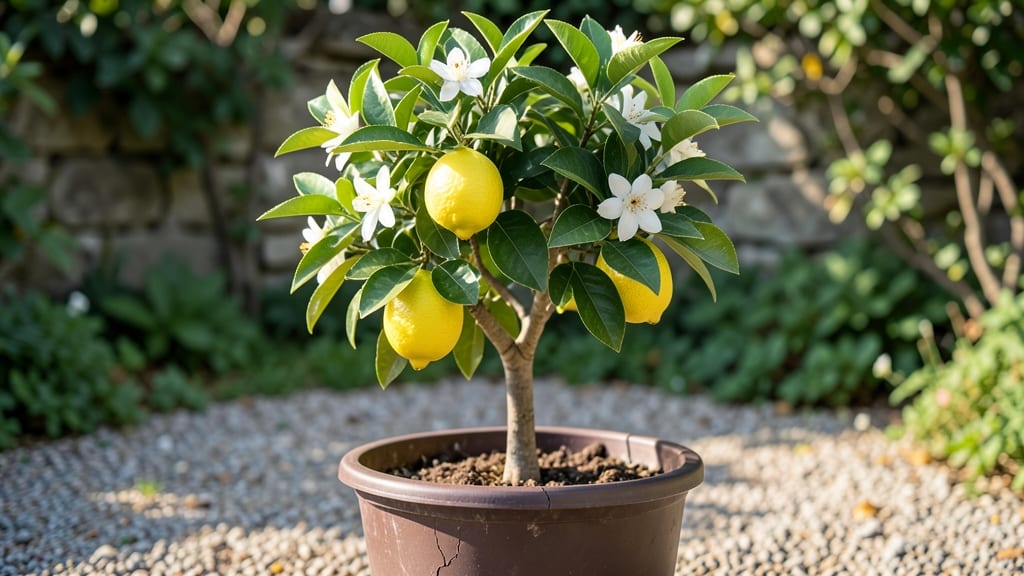
The meyer lemon tree’s temperature tolerance ranges between 40°F and 85°F for optimal growth, but even a light frost can send them into shock 🍋.
If you love Meyer lemon trees but live in a chilly climate, you’re not out of luck—these citrus darlings can survive cold snaps with the right care. But how cold is too cold? And what tricks keep them thriving when frost rolls in?
The key to protecting your Meyer lemon tree lies in understanding its USDA hardiness zones (8-11) and how microclimates can extend its survival range. In colder zones, container growing or temporary shelters can mean the difference between a thriving tree and a sad, browned mess.
Below, I’ll break down the exact temperature limits, signs of stress to watch for, and step-by-step frost protection methods—so you can keep your lemon tree happy, no matter the weather.
Meyer lemon tree cold hardiness Zones: what temperature range can they tolerate?
Meyer lemon trees (Citrus × meyeri) thrive in warm climates but can adapt to cooler zones with the right care. Their native hardiness spans USDA Zones 9-11, where they enjoy year-round growth.
However, with protection, they can survive in Zone 8—the coldest they’ll tolerate—though frost will still damage them without precautions.
The key to success lies in understanding their minimum safe temperatures. While young trees can handle brief dips to 28°F (-2°C), mature Meyer lemons typically struggle below 30°F (-1°C). Prolonged exposure to 25°F (-4°C) or colder will kill the tree, even if it survives the initial frost.
Microclimates play a huge role in survival. A sheltered spot near a south-facing wall, for example, can add 5-10°F of warmth compared to an open area. Container-grown trees also benefit from mobility—you can move them indoors or under cover when frost threatens.
Here’s how their tolerance breaks down by zone, including care adjustments and warning signs of cold stress:
| Zone | Minimum Temp | Cold Stress Signs | Care Adjustments |
|---|---|---|---|
| 9-11 | 28°F (-2°C) | Leaf scorch, flower drop | Minimal protection; mulch roots |
| 8 | 30°F (-1°C) | Browned leaves, bud kill | Containers indoors; frost cloth |
| 7 or colder | N/A (not viable) | Fatal damage below 25°F | Indoor-only cultivation |
In Zones 9-11, Meyer lemons grow outdoors year-round with minimal fuss. Focus on mulching the root zone in winter to insulate against light frosts. A 3-4 inch layer of straw or wood chips can raise soil temps by 2-3°F, making a critical difference during 28-30°F nights.
Zone 8 gardeners face tougher choices. If you plant outdoors, choose a sheltered microclimate and use a frost cloth or row cover for protection. For containers, move trees indoors before temps drop below 40°F (4°C). A sunny windowsill or greenhouse keeps them alive until spring.
Watch for early warning signs of cold stress: leaf scorch (brown edges), flower drop, or stunted growth. These indicate the tree is struggling but may recover with warmer weather. However, if branches turn black or the bark splits, the damage is likely permanent.
For gardeners in Zone 7 or colder, outdoor growth isn’t recommended. Instead, grow Meyer lemons in large containers and overwinter them indoors near a bright, south-facing window. Reduce watering in winter to mimic dormancy, but keep the soil slightly moist to prevent root stress.
Pro tip: If you live in a transitional zone (like Zone 8b), test your microclimate by monitoring temps with a minimum-maximum thermometer. Plant your tree where it experiences the fewest frost hours—often near a stone wall or building that absorbs and radiates heat.
With these strategies, you can enjoy homegrown Meyer lemons even in cooler climates—just be prepared to adapt your care routine as seasons change. 🌱
Proven frost protection methods for Meyer lemon trees in cold climates
Meyer lemon trees thrive in USDA Zones 9-11, but with the right strategies, they can survive in Zone 8 and even colder areas. The key is protecting them from temperatures below 28°F (-2°C), which can cause irreversible damage.
Short-term solutions like frost cloths work for sudden freezes, while long-term fixes—such as container growing or windbreaks—build resilience over time.
For gardeners in Zones 7 and below, container culture is your best bet. Potted Meyer lemons can be moved indoors before the first frost (November 15 in Zone 8) and returned outside in spring.
This flexibility also lets you shield roots from 20°F (-7°C) dips, which can kill exposed plants. Pair this with insulated pots (like those wrapped in bubble wrap) to retain warmth.
Here’s a quick comparison of short-term vs. long-term frost protection methods, including cost and effectiveness:
Short-Term Frost Protection
Long-Term Frost Protection
- Pros: Easy to install, reusable, blocks 20°F (-7°C) winds
- Cons: Reduces light (30% less sun), needs staking
- Cost: $15–$30 per 10’x10’ sheet
- Pros: Reduces wind chill (5°F warmer near barriers), permanent
- Cons: Requires space, upfront cost ($50–$200)
- Cost: $50–$200 (bamboo fence or shrubs)
- Pros: Emergency use (32°F+ (0°C) protection), portable
- Cons: Safety risk, high energy costs ($0.50–$2/hour)
- Cost: $20–$50 (space heater) or $10 (light bulb)
- Pros: Mobile, protects roots from 20°F (-7°C), indoor overwintering
- Cons: Requires large pots (15+ gallons), regular watering
- Cost: $50–$150 (pot + soil)
- Pros: Insulates roots (5°F warmer in soil), improves drainage
- Cons: Needs replenishing annually, limited to 28°F (-2°C) protection
- Cost: $10–$30 (straw or wood chips)
- Pros: Smaller canopies (4–6 ft), easier to cover
- Cons: Slower growth, limited fruit yield
- Cost: $30–$80 (tree + planting)
For emergency frost events, combine methods. Start with a frost cloth draped over the tree, then add a windbreak (like a bamboo fence) to block cold air. Place a 250-watt light bulb near the trunk—its heat can raise temperatures by 5°F in a small area.
Monitor with a thermometer to ensure roots stay above 28°F (-2°C).
Long-term, container growing is the most cost-effective solution for Zones 7 and below. Use a 15-gallon pot with drainage holes and move it to a garage or sunroom when temperatures drop below 40°F (4°C).
In spring, harden it off by placing it outside for 2–3 hours daily before full exposure. Pair this with organic mulch (like straw) to insulate roots during winter.
If you’re in Zone 8, focus on windbreaks and mulching to extend the growing season. Plant your Meyer lemon near a south-facing wall or fence—this can add 5–10°F of warmth.
Use 3–4 inches of mulch around the base to protect roots from 20°F (-7°C) dips. For extra insurance, wrap the trunk with burlap or tree wrap to prevent frost cracks.
Remember, prevention is easier than recovery. Start protecting your tree when nighttime temps hit 40°F (4°C), even if frost isn’t forecasted. A little proactive care can mean the difference between a thr