
Pruning
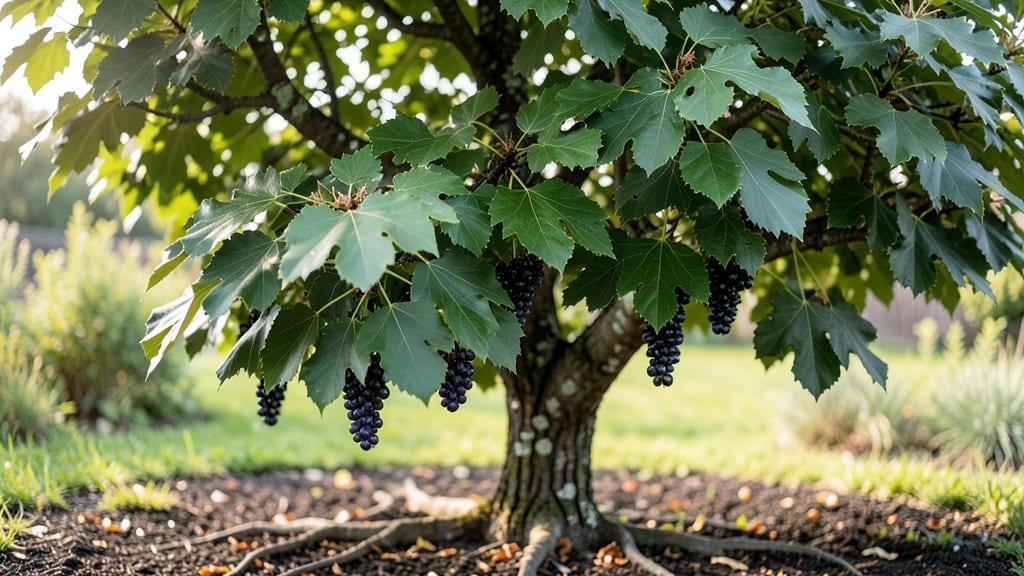
A large mulberry tree 🫐 can grow up to 40 feet tall, offering shade, fruit, and wildlife benefits—but only if you plan for its rapid growth and space needs.
Picture this: a towering mulberry in your backyard, its branches heavy with sweet berries, while its roots spread wider than you expected. Many gardeners dream of this bounty but hesitate because of space constraints.
The good news? With the right variety and care, even a modest yard can accommodate a thriving mulberry—without sacrificing your lawn or driveway.
Fast-growing varieties like Illinois Everbearing or Texas Evergreen reach 20 feet in just two years, making them ideal for quick shade and harvests. But their aggressive roots and sprawling canopies demand smart planning upfront.
Whether you’re pruning for shape, training the trunk, or managing soil nutrients, the key to long-term success lies in balancing growth with control.
In this guide, I’ll walk you through selecting the best space-efficient varieties, pruning techniques to keep your mulberry in check, and seasonal care tips to ensure it stays healthy—and productive—for decades. Ready to grow big without the chaos?
Best large mulberry tree varieties for space-efficient growth
If you love the idea of growing a mulberry tree but have limited space, don’t worry—there are fast-growing varieties designed to thrive without overwhelming your yard. The key lies in selecting the right space-efficient mulberry that matches your property size and climate.
These trees offer shade, fruit, and wildlife benefits while adapting to smaller spaces with proper care.
Large mulberry varieties often reach 20-40 feet tall, but some dwarf or semi-dwarf options can be pruned to stay under 15-20 feet.
Whether you’re in a suburban backyard or an urban courtyard, choosing the right variety ensures you get the best of both worlds: productivity and space efficiency. Let’s explore the top mulberry tree varieties that deliver big rewards in compact spaces.
The Illinois Everbearing mulberry is a standout choice for space-efficient growth due to its fast growth rate and adaptability to pruning. It produces two harvests per year—one in spring and another in fall—making it ideal for gardeners who want year-round productivity without sacrificing space.
This variety thrives in USDA zones 5-9 and can be kept under 20 feet tall with regular pruning.
For those in hot, dry climates, the Texas Evergreen mulberry is a game-changer. It’s drought-tolerant and produces fruit year-round, though it requires slightly more space than the Illinois variety.
Its evergreen leaves add year-long interest, and its moderate growth rate makes it manageable even in smaller yards with proper root control techniques.
If you have the space for a traditional mulberry tree, the Black Mulberry delivers rich, dark fruit and a classic tree shape. While it grows larger, its slow-to-moderate growth rate means you’ll have years to plan for its mature size.
This variety is perfect for large properties or orchards where you can accommodate its 30-40 foot height and sprawling roots.
For urban gardeners or those with limited space, dwarf mulberry varieties like 'Illini' or 'Texas Dwarf' are the ultimate solution. These trees stay under
Pruning and training techniques to control large mulberry tree spread
Large mulberry trees (Morus spp.) can grow up to 40 feet tall and spread aggressively if left unchecked, making them a challenge for smaller yards. The key to managing their size lies in strategic pruning and training techniques that encourage controlled growth while maintaining fruit production.
With the right approach, you can shape your mulberry tree into a manageable, productive feature—even in urban spaces.
Pruning isn’t just about cutting back branches; it’s about improving airflow, enhancing fruit yield, and preventing disease. Mulberry trees respond well to pruning when done at the right time—typically late winter or early spring before new growth begins.
Combine pruning with training methods like espalier or staking to guide the tree’s shape and keep it within your desired footprint.
- 1
- 2
- 3
- 4
- 5
- 6
When pruning, always prioritize removing deadwood first, as it can harbor pests and diseases like mulberry scale or anthracnose. After pruning, sanitize your tools with rubbing alcohol to prevent cross-contamination.
For urban gardens, consider container growing with dwarf varieties like Illinois Everbearing, which can be pruned aggressively to stay under 16 feet tall.
Training methods like espalier are perfect for small spaces, allowing you to grow mulberries along a fence or wall. This not only saves space but also makes harvesting easier and improves fruit exposure to sunlight.
Pair espalier with regular pruning to maintain the desired shape, and you’ll have a fruit-bearing feature wall that fits seamlessly into your landscape.
Remember, mulberry trees reward patience and care. With consistent pruning and training, you can enjoy abundant fruit, lush shade, and a tree that stays within your garden’s boundaries—no matter how limited your space may be.
Start small, and watch your mulberry tree transform into a manageable, productive centerpiece.