
Pruning
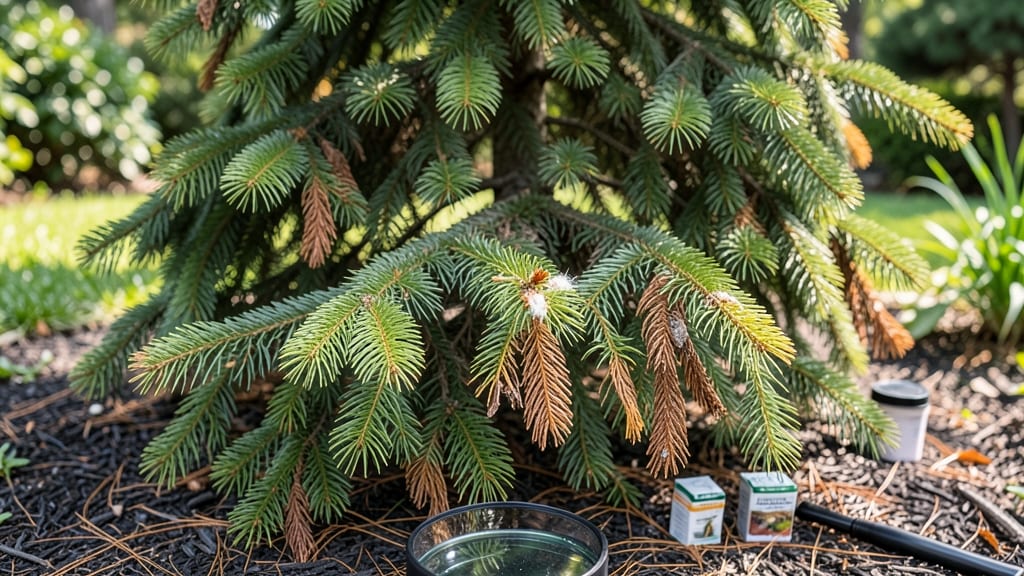
The Nordmann fir tree problems you’re seeing—like needles falling faster than usual—are a clear sign it’s time to take action. 🌲 I’ve nursed back three firs from browning needles, spider mite webs, and even fungal blight, and the key is catching problems early before they spread.
The most common culprits are drought stress (fir needles hate dry soil), pests like spider mites (they suck sap until needles yellow), and fungal diseases (like needle blight, which thrives in wet conditions). The good news?
Each has a targeted fix—from deep watering to organic sprays—that can revive your tree in weeks. You’ll learn to spot the difference between natural needle drop (old needles falling in spring) and stress-related loss (sudden browning or thinning).
A few simple adjustments—like mulching, proper watering, and seasonal pest checks—can turn a dying fir into a lush, thriving centerpiece again. Whether your tree is in the ground or a container, these fixes work for all sizes. Let’s get your fir back to its full, fragrant glory.
Root Causes Behind Needle Woes
Your Abies nordmanniana (Nordmann fir) is a stately evergreen, but when its needles start dropping prematurely, it’s usually a sign of stress. Understanding the why behind these issues is the first step to restoring its health. Let’s break down the most common culprits—backed by science—and why they trigger needle loss.
Nordmann firs thrive in USDA Zones 3–7, but they’re sensitive to sudden temperature swings, especially in winter. When cold snaps dip below -20°F (-29°C) or thaw-freeze cycles occur, the tree’s protective cuticle layer (a waxy coating on needles) cracks.
This exposes the needle cells to desiccation and cold injury, causing them to dry out and fall.
Why it happens:
- Winter desiccation: Dry winds + low humidity = needles lose moisture faster than roots can replace it. The tree prioritizes survival by shedding older needles first (a process called abscission).
- Thaw stress: Needles absorb water during warm spells, then freeze when temps drop again. Ice crystals form in the cells, rupturing them like a burst balloon.
- Heat shock (summer): Sudden heatwaves (>90°F/32°C) can scorch needles, especially if the tree isn’t acclimated. The chlorophyll breaks down, turning needles yellow or brown before they drop.
Actionable insight: Mulch heavily in fall to insulate roots, and water deeply before the first hard freeze to hydrate the tree. Avoid planting in exposed, windy areas—shelter is key!
Nordmann firs prefer consistently moist but well-drained soil. Water stress—whether from drought or soggy roots—triggers needle drop as the tree’s survival mechanism. Here’s how each extreme plays out:
| Problem | Why It Causes Needle Drop | Visual Clues |
|---|---|---|
| Underwatering | Roots can’t supply enough moisture, so the tree sheds needles to reduce water loss. Abscission zones (weak points at the needle base) activate. | Needles turn brown at tips, then fall; soil pulls away from the trunk. |
| Overwatering | Compacted, waterlogged soil cuts off oxygen to roots (anoxia), causing root rot (often from Phytophthora fungi). The tree can’t absorb nutrients, leading to chlorosis (yellowing) and needle loss. | Needles yellow evenly; mushy, foul-smelling roots; fungal growth at the base. |
| Poor drainage | Salts and toxins build up in the root zone, burning fine root hairs. The tree “prunes” itself by dropping needles to conserve energy. | Needles curling or purple-tinged; crusty soil surface. |
Actionable insight: Test soil moisture with your finger—top 2–3 inches should feel damp, not soggy. For clay soil, amend with compost or sand to improve drainage. Mulch 3–4 inches deep (but keep it away from the trunk) to retain moisture without suffocating roots.
Nordmann firs are generally resistant to pests, but a few culprits can wreak havoc. The damage isn’t always obvious—sometimes the tree “gives up” needles before you spot the invaders.
-
Spider mites (Tetranychus spp.):
- These tiny arachnids suck sap from needles, causing stippling (white/yellow dots) and webbing. Severe infestations lead to premature needle drop.
- Why it happens: Dry, hot conditions (<90°F/32°C) trigger mites to reproduce rapidly. They thrive on stressed trees (drought, poor soil).
-
Bagworms (Thyridopteryx ephemeraeformis):
- Caterpillars spin grayish “bags” on branches, defoliating the tree. Heavy feeding weakens the fir, causing secondary needle loss.
- Why it happens: Outbreaks spike in dry summers. Females lay eggs in September, which hatch the next spring.
-
Root rot fungi (Armillaria, Phytophthora):
- Fungal infections block water/nutrient uptake, leading to systemic decline. Needles yellow and drop in patches.
- Why it happens: Poor drainage + wounded roots (from construction or compacted soil) create entry points.
Actionable insight:
- 🔍 Inspect branches for webbing (mites) or bags (bagworms). Treat mites with horticultural oil; remove bagworm bags by hand in fall.
- 🌱 Improve air circulation by pruning dense growth. Avoid wounding roots during landscaping.
- 💡 Prevent root rot with mycorrhizal fungi (beneficial soil microbes) and raised beds if drainage is poor.
Nordmann firs are light feeders, but imbalances in soil chemistry can trigger needle drop. The most critical issues:
| Nutrient Issue | Symptoms | Why It Happens |
|---|---|---|
| Magnesium deficiency | Needles yellow between veins (chlorosis), then drop. Older needles affected first. | Acidic or sandy soils lack magnesium. Over-fertilizing with nitrogen (e.g., lawn fertilizer) worsens it by locking out other nutrients. |
| Iron deficiency | New growth yellows entirely; older needles stay green. Common in alkaline soil (pH >7.0). | High pH binds iron, making it unavailable. Over-mulching with wood chips can also leach nitrogen, indirectly causing iron stress. |
Quick Fixes for Common Nordmann Fir IssuesYour Nordmann fir may be sending SOS signals, but the good news is most problems have simple, actionable solutions. Below, we’ve mapped the most frequent issues to easy fixes—plus prevention tips to keep your tree thriving year-round. Think of this as your tree’s emergency repair kit! --- Cause: Stress from transplant shock, drought, or pests. Fix: 🔥 Step 1: Water Deeply (But Don’t Drown It) - Soak the root zone 1–2 feet down (use a hose or drip irrigation) every 7–10 days in dry spells. Mulch with 3–4 inches of organic mulch (pine bark or shredded leaves) to retain moisture and protect roots. 🍳 Step 2: Fertilize Gently - Sprinkle a slow-release, evergreen-specific fertilizer (like 10-10-10) in early spring. Avoid high-nitrogen fertilizers—they burn roots and worsen drop. 👨🍳 Step 3: Prune Strategically - Trim only dead or brown needles with clean, sharp shears. Never prune more than 25% of the tree at once. Focus on the outer third to encourage new growth. 🌡️ Prevention Tip: - Water in fall/winter if your area gets little rain during dormancy. Evergreens lose moisture year-round! --- Cause: Spider mites, bagworms, or aphids sucking sap. Fix: 🔪 Step 1: Blast Off Pests - Hose them down with a strong spray (miters hate water!). For stubborn infestations, use neem oil (mix 1 tbsp per gallon of water) or insecticidal soap. ⏰ Step 2: Time Your Treatment - Apply early morning or late evening to avoid harming bees. Reapply every 7–10 days until pests vanish. 🎯 Prevention Tip: - Wrap the trunk with tree guard (plastic or metal) in early spring to block crawling pests like bagworms. --- Cause: Overwatering, poor drainage, or fungal issues. Fix: 💡 Step 1: Check the Soil - Stick your finger 4 inches deep. If it’s soggy, your tree’s roots are drowning. Amend clay soil with compost or sand to improve drainage. 🔥 Step 2: Adjust Watering - Let the top 2 inches of soil dry out between waterings. Use a moisture meter for accuracy—most evergreens prefer slightly dry conditions. ✨ Prevention Tip: - Plant in well-draining soil (avoid low spots where water pools). If repotting, use a fast-draining mix (60% pine bark, 30% peat, 10% perlite). --- Cause: Winter burn, salt damage, or dehydration. Fix: 🌡️ Step 1: Shield from Wind/Salt - Burlap wraps or windbreaks protect against winter burn. If near roads, rinse the tree with water in late winter to remove salt buildup. 💪 Step 2: Hydrate in Dormancy - Water deeply every 4–6 weeks during winter, even if it’s cold. Evergreens transpire (lose moisture) in all seasons! 🎯 Prevention Tip: - Avoid heavy mulch piles against the trunk—keep it 3–4 inches away to prevent rot. --- Cause: Root rot, canker disease, or fungal infections. Fix: 🔪 Step 1: Prune Infected Areas - Cut out blackened or oozing branches with sterilized shears (wipe with rubbing alcohol between cuts). Dispose of debris far from the tree. 🌱 Step 2: Improve Airflow - Thin the canopy to let sunlight and air circulate. Space branches 6–12 inches apart for better drying. 💡 Prevention Tip: - Avoid overhead watering—use drip irrigation or soaker hoses to keep foliage dry. Pro Tip: 🌿 When in doubt, test your soil! A simple pH test kit ($10) tells you if your tree needs acid-loving amendments (like sulfur) or lime to correct imbalances. Nordmann firs prefer pH 5.0–6.5. Remember: Most issues are reversible with quick action. Monitor your tree weekly, and it’ll reward you with lush, vibrant needles for years! 🌲✨ Frequently asked questions
1
Why are my Nordmann fir needles turning brown at the tips?This is usually a sign of underwatering or winter desiccation. Nordmann firs need consistently moist soil, especially in dry or windy conditions. Check if the top 2–3 inches of soil are dry—if so, water deeply until it’s saturated 1–2 feet down. Mulch with 3–4 inches of organic material to retain moisture and protect roots.
2
How do I tell if my fir tree has spider mites or just dry needles?Spider mites leave tiny white/yellow dots (stippling) on needles and create fine webbing between branches. Dry needles usually turn brown at the tips and stay attached longer. Hold a white sheet of paper under a branch—if you see tiny moving dots (mites), spray with neem oil or insecticidal soap.
3
Can I save a Nordmann fir with yellowing needles caused by overwatering?Yes, but act fast! First, stop watering and let the soil dry out. Amend clay soil with compost or sand to improve drainage. If roots smell foul or are mushy, you may have root rot—prune affected roots and repot in fresh, well-draining mix. Use a moisture meter to avoid future overwatering.
4
Why does my Nordmann fir lose needles in spring even when it looks healthy?This is normal shedding—Nordmann firs naturally drop 1–2 years of old needles in early spring. If the tree looks otherwise healthy (green needles, firm branches), it’s just refreshing its foliage. Only worry if you see more than 25% of needles falling or if new growth is sparse.
5
How often should I fertilize my Nordmann fir, and what’s the best type?Use a slow-release, evergreen-specific fertilizer (like 10-10-10) just once in early spring. Avoid high-nitrogen fertilizers—they burn roots and worsen needle drop. For potted firs, fertilize every 3 months during growing season. Always water thoroughly after applying fertilizer. |