
Pruning
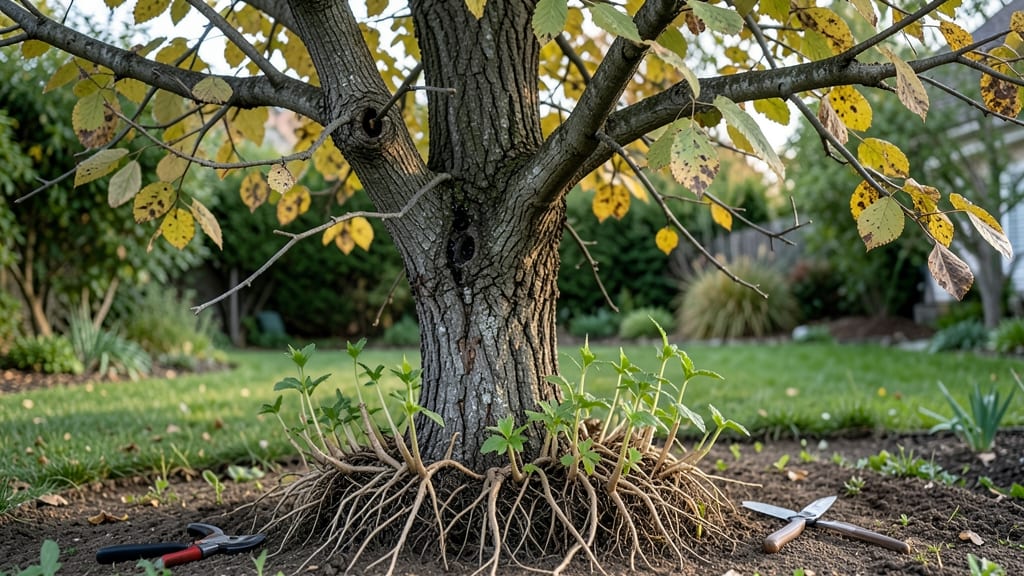
Your Siberian elm tree’s sudden yellow leaves or oozing bark could signal Siberian elm tree problems—like Dutch elm disease—or it might just need better watering. 🌳 I’ve seen both in my own yard, and the difference between saving a tree and losing it often comes down to catching the problem early.
This guide cuts through the confusion to show you exactly what to look for, why it’s happening, and how to stop it before it spreads.
The real villains here are usually Dutch elm disease (fungus spread by beetles), elm leaf beetles, or simple stress from drought or poor soil. I’ll walk you through how to tell them apart—because treating a beetle infestation like a fungal disease will make things worse.
You’ll learn which pruning cuts heal fastest, when to use natural sprays (like neem oil), and which problems need a professional’s touch.
By the end, you’ll know how to keep your tree thriving for decades—no more guessing whether those brown branches are normal or a sign of trouble. The key is acting fast: some fixes take just a few hours, while others (like deep soil amendments) pay off over years.
Let’s get your Siberian elm back to its strong, healthy self.
We’ll also cover long-term care, like proper watering schedules and when to prune for airflow, so you don’t end up back here next season. And if you’re unsure whether to call an arborist, I’ll give you the red flags that mean “don’t wait.”
Your tree’s health starts with knowing exactly what’s wrong—and how to fix it.
Root Causes of Siberian Elm Issues
Understanding why Siberian elm trees (Ulmus pumila) develop problems starts with recognizing their resilience—but also their vulnerabilities. These hardy trees, native to Asia, are prized for their drought tolerance and fast growth.
Yet, their susceptibility to specific diseases and environmental stressors makes them prone to decline if not cared for properly. Below, we break down the key culprits behind common Siberian elm problems, from fungal infections to cultural mismanagement.
Siberian elms are particularly vulnerable to Dutch elm disease (DED) and elm leaf spot, two fungal pathogens that thrive in their bark and foliage.
Dutch Elm Disease (DED) 🌡️
- How it spreads: The elm bark beetle (Scolytus multistriatus) carries Ophiostoma novo-ulmi, the fungus responsible for DED.
The beetles bore into the tree’s vascular system, blocking water flow and causing wilting. - Why it targets Siberian elms: While native elms have some resistance, Siberian elms lack the genetic defenses of European or American elms.
Their weak bark structure makes them easier for beetles to penetrate. - Environmental triggers: - Stress from drought weakens the tree’s defenses, making it more attractive to beetles. - Poor pruning practices (e.g., leaving stubs or wounding bark) create entry points for the fungus. - Overcrowded plantings reduce airflow, increasing humidity—ideal conditions for fungal spores.
Elm Leaf Spot (Cercospora spp.) ✨
- How it starts: This fungus thrives in wet, humid conditions, especially during prolonged spring or fall rains.
It causes purple-brown spots on leaves, leading to premature defoliation. - Why it persists: - Poor air circulation (e.g., dense canopies or nearby structures) traps moisture. - Nitrogen-heavy fertilizers promote lush growth, making leaves more susceptible to infection. - Infected leaf debris left on the ground overwinters, reinfecting the tree the next season.
Siberian elms are adaptable but suffer when soil conditions are suboptimal.
Compacted or Waterlogged Soil 💧
- Root stress: Elms have shallow, fibrous root systems that struggle in heavy clay or poorly draining soils.
Compacted soil restricts oxygen flow, leading to root rot (Phytophthora spp.) and nutrient deficiencies. - Symptoms: Yellowing leaves (chlorosis), stunted growth, and suckering (sprouting from the base) as the tree compensates for poor root health.
Nutrient Deficiencies 📊
- Iron or nitrogen shortages: Siberian elms often show interveinal chlorosis (yellowing between leaf veins) due to high soil pH (alkaline conditions lock out iron).
Nitrogen deficiency causes pale, sparse foliage. - Over-fertilization risks: Excessive phosphorus or potassium can burn roots, while synthetic fertilizers disrupt mycorrhizal fungi—beneficial microbes that help elms absorb nutrients.
Even hardy trees like Siberian elms can falter under extreme conditions.
Drought and Heat Stress 🔥
- Water transport failure: Elms rely on efficient vascular systems to move water.
Prolonged drought causes cavitation (air bubbles in xylem), leading to wilting, browning leaves, and branch dieback. - Heat waves: Temperatures above 90°F (32°C) for extended periods stress the tree, making it more susceptible to pests and diseases.
Urban Pollution and Salt Buildup 🏙️
- Air pollution: Ozone and sulfur dioxide damage leaf stomata, reducing photosynthesis.
- Salt damage: In urban or coastal areas, road salt runoff accumulates in soil, causing osmotic stress (roots can’t absorb water) and leaf scorch.
How a tree is planted, pruned, and maintained directly impacts its health.
Improper Pruning Practices ⏰
- Topping or heading cuts: Removing large branches without proper cuts leaves stubs that invite fungal infections (like Hypoxylon canker).
- Pruning during wet seasons: Open wounds in spring or fall heal slowly, increasing risk of bacterial or fungal entry.
Incorrect Planting Depth 🌱
- Buried trunks: Planting too deep suffocates the root flare (where roots meet the trunk), causing girdling roots and stem rot.
- Lack of mulch: Without 2–4 inches of mulch, soil stays too dry or too wet, stressing roots.
While fungi get the spotlight, pests often exacerbate Siberian elm problems.
Elm Bark Beetles and Borers 🪲
- Bark beetles (e.g., Scolytus spp.) tunnel under bark, disrupting nutrient flow. Their frass (sawdust-like debris) signals infestation.
- Elm leaf beetles (Xanthogaleruca luteola) skeletonize leaves, weakening the tree and making it prone to secondary infections.
Aphids and Scale Insects 🐜
- Sap-sucking pests like elm aphids (Tuberolachnus salignus) excrete honeydew, which fosters sooty mold (a black fungal growth that blocks sunlight).
Siberian elm problems rarely stem from one issue but often a combination of: ✅ Fungal pathogens (DED, leaf spot) + stressful conditions (drought, poor soil) ✅ Improper care (pruning, planting) + pest outbreaks ✅ Environmental factors (pollution, urban heat)
Actionable fix: Address one root cause at a time—start with soil testing, proper pruning, and disease-resistant cultivars (like Ulmus pumila ‘Companion’) to break the cycle.
Quick Fixes for Siberian Elm Issues
Siberian elm trees are hardy and adaptable, but like any plant, they face challenges—whether it’s fungal infections, pest invasions, or environmental stress. The good news? Most problems have practical solutions. Below, we’ll break down cause-specific fixes to restore your tree’s health, plus prevention tips to keep it thriving long-term.
Fungal infections like elm leaf spot or powdery mildew weaken trees by clogging pores and causing defoliation. Here’s how to tackle them:
🔥 Remove Infected Foliage Immediately
- How: Wear gloves and prune away yellowed, spotted, or powdery leaves with clean, sharp shears.
Dispose of them in the trash (not compost)—fungi can survive in yard waste. - Pro Tip: 💡 Sanitize your tools with a 1:10 bleach-water solution (9 parts water, 1 part bleach) between cuts to prevent cross-contamination.
🍳 Apply Fungicide at the Right Time
- When: Treat preventatively in early spring (before buds swell) and after rain or high humidity (fungi thrive in wet conditions).
- What to Use:
- Organic Option: Neem oil or copper fungicide (follow label rates).
- Chemical Option: Systemic fungicides like propiconazole (for severe cases).
- How: Spray evenly on both sides of leaves and the trunk until damp.
Reapply every 2–4 weeks during outbreaks.
🌡️ Improve Air Circulation
- Why: Fungi spread faster in dense, humid conditions.
- How:
- Thin the canopy by pruning 10–20% of branches to allow sunlight and airflow.
- Avoid overwatering—keep soil moderately moist (1 inch of water per week).
Siberian elms attract pests like elm leaf beetles, aphids, or borers. Here’s how to kick them out:
👨🍳 Handpick or Blast Off Beetles
- For Elm Leaf Beetles:
- How: Shake branches over a tarp or bucket filled with soapy water to drown adults. Repeat weekly during peak season (May–July).
- Alternative: Use a strong hose spray to dislodge larvae from leaves.
🥘 Introduce Beneficial Insects
- Who: Ladybugs, lacewings, and parasitic wasps devour aphids and mites.
- How: Purchase them from garden centers or plant companion flowers (like marigolds or dill) to attract them naturally.
🔪 Prune Damaged Wood for Borers
- Signs: Small holes, sawdust-like frass, or oozing sap.
- How: 1. Cut out infested branches 6 inches below the damage.
- Seal wounds with pruning paint (optional, but helps prevent secondary infections).
- Monitor for new holes—borers may return if the tree is stressed.
Drought, poor soil, or compacted roots stunt growth and invite pests/diseases. Fix these foundational issues:
💧 Water Deeply but Infrequently
- How:
- Water slowly at the base (not overhead) for 15–20 minutes, 2–3 times per week during dry spells.
- Mulch with 3–4 inches of wood chips (keep mulch 6 inches away from the trunk to prevent rot).
📊 Test and Amend Soil
- Problem: Siberian elms prefer well-draining, slightly acidic soil (pH 6.0–7.5).
- Fix:
- Test soil with a kit (available at garden centers).
- Add compost (2–3 inches) or sulfur (to lower pH) if needed.
- Aerate compacted soil with a garden fork in early spring.
✨ Provide Support During Transplant Shock
- If recently planted:
- Stake only if necessary (young trees in windy areas).
- Avoid heavy pruning for the first year—focus on root establishment.
- Shade cloth can protect from intense midday sun while roots adjust.
- 🌿 Prune in Late Winter: Remove dead/diseased wood before pests wake up.
- 🌡️ Monitor Weather: Fungi love humid, rainy springs—stay vigilant after heavy rain.
- 🐞 Encourage Wildlife: Birds and bats eat beetles and borers—install a birdhouse or bat box nearby.
- 🌱 Choose Disease-Resistant Varieties: If replanting, opt for ‘Christoma’ or ‘Compressa’ (more resistant to leaf spot).
Remember: Siberian elms are tough—with early action and consistent care, they’ll bounce back stronger. Start with the fixes that match your tree’s symptoms, and soon you’ll see greener leaves and fewer pests! 🌳💚
Frequently asked questions
Why do my Siberian elm leaves turn yellow between the veins?
This classic symptom usually means iron deficiency caused by alkaline soil (pH above 7.5). Siberian elms struggle to absorb iron in these conditions. Test your soil and amend with chelated iron or sulfur to lower pH gradually. Mulch with pine needles (acidifying) to help long-term.
What should I do if my Siberian elm has brown streaks in the bark?
Those are likely signs of Hypoxylon canker or elm bark beetle damage. Prune out infected branches 6 inches below the discoloration and disinfect tools. For severe cases, consult an arborist—this fungus can spread quickly and weaken the tree’s structure.
How do I tell if my tree has Dutch elm disease?
Look for sudden wilting in one branch (even with green leaves), brown streaks under bark, or yellowing leaves that curl. Confirm by sending a sample to your local cooperative extension service. If confirmed, remove infected branches immediately and treat with systemic fungicide.
Can I save my Siberian elm if it's already losing most of its leaves?
It depends! If the cause is drought stress, deep watering and mulching may revive it. For pest/disease, act fast: prune damaged areas, apply neem oil, and monitor. If the tree is over 50% defoliated with no signs of recovery after 2 weeks, consult an arborist—some damage may be irreversible.
Why does my Siberian elm keep sprouting new shoots at the base?
This "suckering" happens when the tree compensates for stressed roots (often from compacted soil or poor drainage). Improve soil with compost and aerate the area. Prune suckers back to the ground—removing them encourages the main trunk to strengthen.