
Pruning
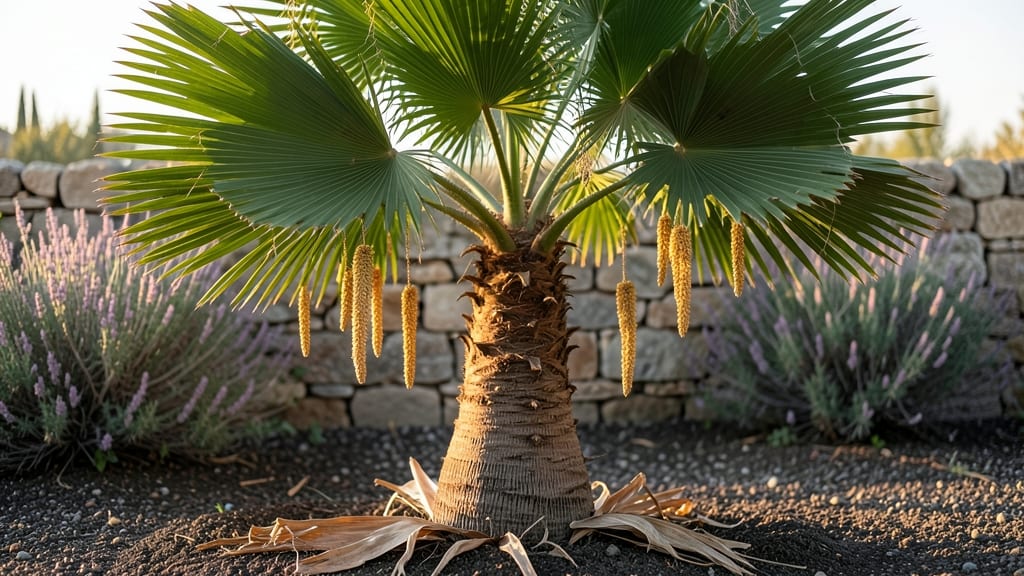
To identify a male palm tree, examine flower clusters called spathes—males produce dangling pollen sacs without fruit, while females develop round seed clusters. Compare growth patterns and look for yellowish flowers lacking berries.
Male palm trees stand out because their reproductive structures are entirely focused on pollen production. 🌿 Unlike female palms that develop fruit clusters, males release clouds of pollen from their spathes—those long, dangling inflorescences you might spot swaying in the breeze.
This gender difference isn't just botanical trivia; it directly impacts landscaping choices, as male palms often grow taller and faster without the energy drain of seed production. For example, Washingtonia filifera males can reach 60 feet tall, while females may stay shorter due to fruit development demands.
What's fascinating is how this gender distinction plays out across species. Some palms, like the Sabal palmetto, show dramatic differences in flower structure—males produce dense pollen clusters, while females develop round, berry-like fruits.
If you're planting palms for aesthetic purposes, knowing the gender can help you avoid unexpected fruit litter or focus on the striking architectural forms that male palms often provide.
💡 In This Article
- Botanical Differences Between Male and Female Palm Flowers
- Top 5 Palm Species Where Gender Identification Is Critical
Botanical differences between male and female palm flowers
The core difference between male and female palm flowers lies in their reproductive structures. Male palms produce spathes—those distinctive, often dangling flower clusters—that contain pollen sacs (stamens) instead of ovules.
These sacs release clouds of yellowish pollen, which can travel up to 100 feet in windy conditions, creating the signature "palm pollen" clouds you might see drifting through tropical landscapes. 🌬️ The absence of fruit development is the key identifier, as male palms allocate all energy to pollen production rather than seed formation.
Under the microscope, male palm flowers reveal intricate anatomy: each spathe contains hundreds of tiny, 0.5-inch pollen-producing flowers arranged in dense clusters. When mature, these flowers split open to release pollen grains that are 20-50 microns in diameter—just the right size to be carried by wind currents.
Female palms, by contrast, develop berry-like drupes (single-seeded fruits) that form after successful pollination, typically measuring 0.5-2 inches in diameter depending on the species.
This gender distinction isn't just about flowers—it affects the entire plant's growth strategy. Male palms often grow 10-20% taller than females because they don't expend energy producing fruit, which can weigh down branches and slow vertical growth.
For example, the Cocos nucifera (coconut palm) male trees can reach 100 feet, while females may max out at 80 feet due to the weight of developing coconuts.
This physiological difference explains why male palms are frequently chosen for urban landscapes where height and architectural form matter more than fruit production.
The pollination process itself is fascinating. Palm flowers are monoecious (individual plants have separate male and female flowers), but most species require cross-pollination between different plants. Male palms rely on wind to distribute pollen, while female palms must receive pollen from a male to develop fruit.
This interdependence means that in palm groves, you'll typically find both genders growing in proximity to ensure successful reproduction. 🌿 The timing of flowering also varies—some species bloom annually, while others have 2-5 year cycles, making identification even more nuanced.
What most people don't realize is how this gender difference affects palm tree propagation. When growing palms from seed, you're guaranteed female plants because only fertilized ovules develop into seeds.
To get male palms, you'd need to propagate from cuttings of known male trees—a process that requires careful tracking of flower structures. This botanical quirk explains why nurseries often sell male palms as "fruitless" varieties, appealing to homeowners who want ornamental value without the mess of fallen fruit.
For the curious gardener, here's a quick comparison of what to look for in the field:
- Male palms: Long, dangling spathes with no fruit, yellowish pollen sacs, often taller growth
- Female palms: Round seed clusters (0.5-2 inches), berry-like fruits, potentially shorter stature
- Both: Produce flowers on inflorescences that emerge from the tree crown
Understanding these differences helps explain why some palm species are better suited for specific environments—like coastal areas where male Washingtonia palms thrive without the fruit cleanup, or tropical regions where female Cocos nucifera provide the coveted coconuts. 🌴