
Blooming
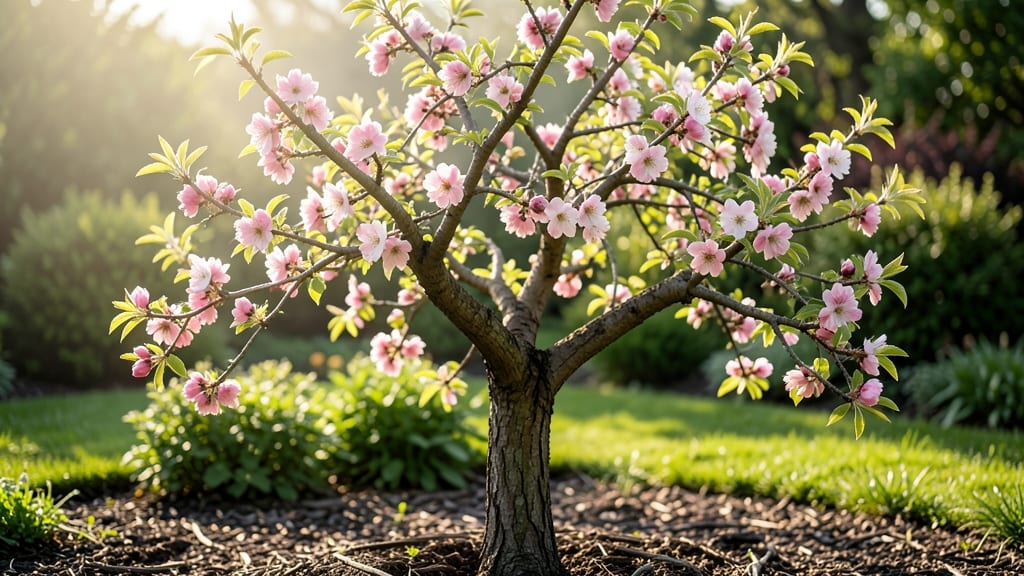
The peach tree blossom time arrives like a whisper of spring—pink petals unfurling when the air still carries frost warnings. 🌸 I’ve watched my own trees burst into bloom anywhere from late February in Zone 8 to April in Zone 5, and the difference comes down to warmth, timing, and a little luck.
That first flush of blossoms signals the tree’s most vulnerable moment: frost can turn a glorious canopy into a sad, waterlogged mess overnight.
Most peach trees need 400-600 chilling hours below 45°F to trigger blossoming, which is why southern gardeners see blooms weeks earlier than northern ones.
The real magic happens when daytime temps rise to 60°F+—that’s when those delicate petals open fully and the tree’s scent fills the air like a secret promise.
But here’s the catch: peaches are frost-sensitive twice—once before bloom (when buds form) and again during bloom (when frost can kill open flowers).
To protect your tree, start by pruning in late winter (before buds swell) to improve airflow and reduce frost pockets. Then, monitor the forecast: if a late frost is predicted, cover young trees with frost cloth or even old sheets secured with bricks.
The payoff? A tree heavy with blossoms that’ll eventually give way to juicy fruit—if you time it right.
Regional variations matter, but the core principle stays the same: patience and preparation. In colder zones, expect a shorter bloom window and more frost risks; in warmer areas, blooms may appear earlier but face heat stress instead.
Either way, the first pink flush is worth the wait—just be ready to shield those blossoms when the weather turns unpredictable.
📚 In This Guide
- What you need
- Instructions
- Tips and common mistakes
- Wrapping up and next steps
What you need
- ● Peach tree (or access to one in bloom) – A mature tree (5+ years old) for the best display. Varieties like Elberta, Redhaven, or J.H. Hale are stunning!
- ● Comfortable outdoor gear – Light jacket, hat, and sunscreen (blossom time can be unpredictable!)
- ○ Camera or smartphone – For capturing those dreamy pink hues. A tripod (optional) helps with low-light shots.
- ● Picnic blanket or chair – Because nothing beats lounging under a peach tree’s fragrant canopy.
- ● Peach tree sapling – Choose a self-pollinating or early-blooming variety (e.g., Bonanza or Flavor Grenade). Buy from a nursery or online retailer.
- ● Pruning tools – Sharp bypass pruners (for small branches) and a pruning saw (for thicker limbs). Sterilize tools with rubbing alcohol to prevent disease.
- ● Gloves and safety goggles – Protect your hands from thorns and eyes from debris.
- ○ Organic mulch (optional) – 4–6 inches of wood chips or straw to retain moisture and suppress weeds.
- ● Fertilizer (balanced, 10-10-10 or 6-6-6) – Apply 1–2 pounds per 100 sq. ft. in early spring.
- ● Watercolor set or sketchbook – For artists who want to capture the blossoms on paper.
- ● Mason jars and scissors – To collect a few blossoms for short-lived bouquets (peach blossoms last ~2 days in water!).
- ● Citrus peels or vinegar – Mix with water to extend blossom life in vases.
- ● Beeswax candles or diffusers – Mimic the tree’s delicate, almond-like fragrance at home.
How to encourage your peach tree’s stunning spring blossoms
Here’s how I coax out those showstopping pink blooms every spring—no guesswork, just proven care.
☀️ Step 1: Prune for Light and Airflow in Late Winter
Start by removing any dead, diseased, or crossing branches with clean, sharp pruning shears. I always cut just outside the branch collar where it meets the trunk—this prevents unsightly stubs and encourages strong regrowth. Aim to open up the center of the tree so sunlight can reach all branches, which is critical for bud development.
Watch for clusters of buds along the branches—these are your future blooms. Thin out crowded buds by cutting back to the nearest outward-facing bud, leaving about ¼ inch of space. This ensures each remaining bud gets enough energy to burst into vibrant flowers. Prune on a dry day when temperatures are above 40°F to avoid stressing the tree.
💧 Step 2: Water Deeply and Fertilize for Bud Development
Once buds begin to swell (usually in late February or early March, depending on your climate), water the tree deeply to a depth of 12-18 inches. Use a soaker hose or drip irrigation to avoid wetting the foliage, which can invite fungal diseases. The soil should feel moist but not soggy—think of a wrung-out sponge.
Apply a balanced 10-10-10 fertilizer (using the amount recommended for your tree’s age and size) to provide essential nutrients for blossom formation. I scatter the granules evenly under the dripline and water them in immediately. Avoid high-nitrogen fertilizers now—too much nitrogen encourages leafy growth at the expense of flowers.
🌱 Step 3: Protect Blooms from Late Frosts
Peach tree blossoms are incredibly sensitive to late frosts, which can devastate your spring display. Monitor your local forecast and be ready to act if temperatures dip below 28°F during bloom time. Cover the tree with a lightweight frost cloth or row fabric, securing it loosely to allow airflow.
If frost is forecasted after the buds have opened but before petals fully unfurl, a sprinkler system can work wonders. Run it overnight to create a thin layer of ice around the blossoms, which insulates them from freezing temperatures. Remove the cover or turn off the sprinklers as soon as temperatures rise above freezing to avoid overheating the tree.
✂️ Step 4: Thin Overabundant Blooms for Healthier Fruit
Once the blossoms have fully opened and you see fruit beginning to set, it’s time to thin. Peach trees often produce more flowers than they can support, leading to small, poor-quality fruit. Using clean pruners, remove 50-75% of the smallest and weakest blossom clusters, leaving only the healthiest ones spaced 6-8 inches apart along the branch.
This step might feel counterintuitive—why remove flowers?—but it ensures the tree directs its energy into growing fewer, larger, and more flavorful peaches. Thin on a dry day to prevent disease spread, and avoid removing blossoms when they’re already showing signs of fruit set (tiny pea-sized fruits).
🌿 Step 5: Monitor for Pests and Diseases Early
Blossom time is also peak season for pests like aphids and peach tree borers, as well as diseases such as brown rot. Inspect the tree regularly, focusing on the undersides of leaves and new growth. Aphids leave behind a sticky residue called honeydew, while borers create small holes or sawdust-like frass around the trunk.
If you spot aphids, blast them off with a strong stream of water from your hose. For borers, apply beneficial nematodes or borer-specific insecticide according to package instructions. To prevent brown rot, remove any mummified fruit from last year that might still cling to the tree and apply a copper fungicide spray as a preventive measure. Healthy blossoms mean fewer issues later!
Tips & tricks for perfect peach tree blossom time
These little-known strategies will help you transform your peach tree into a springtime spectacle.
Pruning Precision: When you're thinning those crowded buds in Step 1, focus on the outward-facing buds to encourage branches to grow away from the center. This creates that beautiful rounded canopy shape while maximizing sunlight exposure. I've found that using a small magnifying glass helps spot hidden buds you might otherwise miss—especially on dense branches. The ¼-inch spacing between buds is crucial; any closer and they'll compete for nutrients, resulting in smaller blooms.
Frost Protection Hacks: For the sprinkler method in Step 3, I've had the most success with a simple garden hose set to a gentle mist on a timer. The key is to start the sprinklers before the forecasted freeze and keep them running all night. You'll know it's working when you see a thin layer of ice forming on the blossoms—this creates an insulating barrier. Remember to remove covers immediately after temperatures rise above freezing to prevent overheating, which can stress the tree just as much as frost.
Thinning Strategy: In Step 4, when you're removing those 50-75% of weak blossoms, I've found that working in sections makes it less overwhelming. Start with the outer branches and work your way inward. This systematic approach helps you spot patterns—like branches that consistently produce weaker blooms—and lets you focus your thinning efforts where they'll make the biggest difference. The 6-8 inch spacing between remaining blossoms might feel generous, but trust me, your peaches will thank you with their size and flavor.
Pest Prevention: The early monitoring in Step 5 can't be overstated. I make it a habit to inspect my trees every 3-4 days during bloom season, especially on the undersides of leaves where pests love to hide. A simple solution of 1 part water, 1 part rubbing alcohol sprayed directly on aphid clusters works wonders as a natural deterrent. For borers, I've had great success with beneficial nematodes applied directly to the soil around the base of the tree—they seek out and destroy borer larvae before they can cause damage.
Pro Tips for Peach Tree Blossom Time
- These little-known strategies will help you transform your peach tree into a springtime spectacle.
- Pruning Precision: When you're thinning those crowded buds in Step 1, focus on the outward-facing buds to encourage b...
- Frost Protection Hacks: For the sprinkler method in Step 3, I've had the most success with a simple garden hose set t...
Frequently asked questions
Got questions about peach tree blossom time? You’re not alone! Here are some of the most common queries—and their answers—to help you make the most of this magical season.
When is the best time to plant a peach tree for optimal blossoming?
Plant your peach tree in early spring (just before buds swell) or late fall (6-8 weeks before frost). This gives roots time to establish before blossoming season. Avoid planting in summer—heat stress can delay flowering for years!
How long does peach tree blossom time last?
Peach blossoms typically bloom for 7–14 days, depending on weather. Cooler nights and sunny days extend the show, while frost or rain can shorten it. Pro tip: Stake trees before blossoms open to prevent wind damage!
What should I do if my peach tree isn’t blossoming?
Check these first:
- Age: Young trees (under 3 years) may not bloom yet.
- Sunlight: Peaches need 6+ hours of sun daily.
- Pruning: Over-pruning reduces flower buds. Trim only in late winter.
- Fertilizer: Low nitrogen can stunt blooms—use a balanced 10-10-10 in early spring.
Do peach tree blossoms attract bees? How can I support pollinators?
Peach blossoms are a bee magnet. To help pollinators:
- Avoid pesticides during bloom time (use neem oil instead).
- Plant companion flowers like clover or lavender nearby.
- Leave some "wild" areas in your yard for nesting.
Can I still get peaches if I miss blossom time?
Not this year—but don’t worry! Peach trees bloom annually (with some varieties blooming slightly later). Focus on tree care now (watering, mulching, pruning) to ensure next year’s blossoms are even more spectacular. Patience pays off!
Wrapping up and next steps
Peach tree blossom time is a magical moment that transforms your garden into a fragrant, pink paradise—and you’re now ready to embrace it! Whether you’re planting new trees, nurturing existing ones, or simply admiring their beauty, this early spring spectacle is a reminder of nature’s fleeting yet breathtaking wonders. 🌸
So, grab your gardening gloves, step outside, and let the sweet scent of peach blossoms inspire your next green-thumb adventure. Next up? Plan a cozy picnic under their canopy or share the joy with fellow plant lovers—your garden (and future harvest) will thank you!