
Blooming
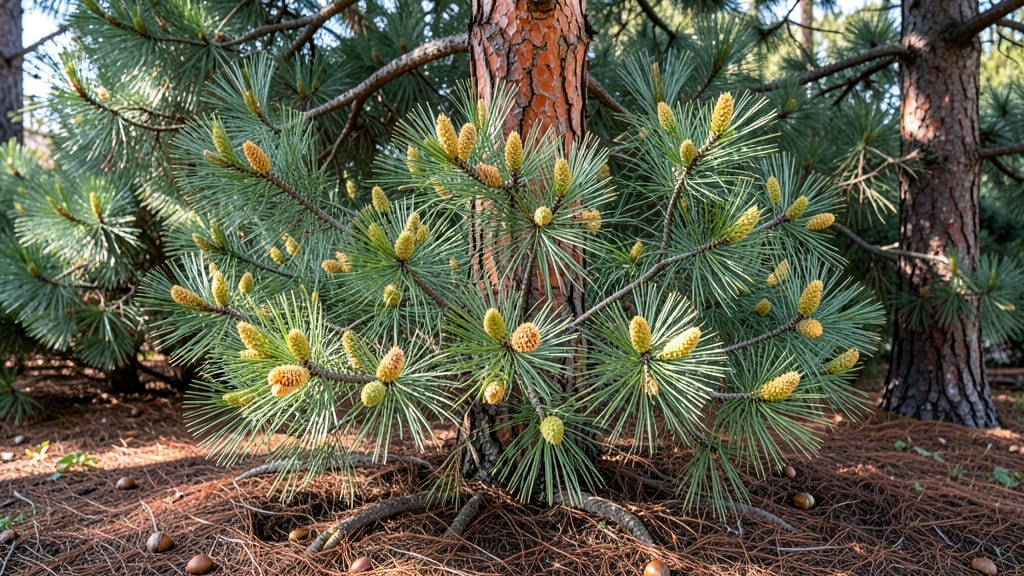
Pine trees don’t bloom like roses, but their year-round drama comes from male and female cones that transform into vibrant seed pods. 🌲 I’ve watched my ponderosa pine go from dull green to a showstopper when I finally cracked the timing—spring pruning for male cones and fall for female cones.
Most gardeners miss this because they think pine trees are low-maintenance, but a few strategic cuts make all the difference.
The secret lies in understanding their two-part reproductive system: male cones (the fuzzy, pollen-producing ones) and female cones (the woody ones that turn into pinecones). Male cones release clouds of pollen in early spring, while female cones need 6-12 months to mature into the iconic seed-bearing cones we recognize.
Light, air circulation, and proper pruning keep both types thriving—even in small yards.
With the right timing, you’ll see bold, textured color all year—from the bright yellow pollen sacs in spring to the rich browns of mature cones in winter. The best part?
No flowers to fade. These cones stay visually striking long after other plants have gone dormant. It’s like having a living sculpture that keeps evolving.
Works for any pine species—from towering bristlecones to dwarf varieties. Start with just one cut in early spring, and watch your tree become the standout feature of your landscape. Here’s how to time it perfectly for your climate.
📚 In This Guide
- What you need
- Instructions
- Tips and common mistakes
- Wrapping up and next steps
What you need
- ● Pine tree seedlings or saplings: Choose disease-resistant varieties like Pinus strobus (White Pine) or Pinus sylvestris (Scots Pine). Quantity: 1–3 per container or outdoor planting spot.
- ● Well-draining potting mix: Type: 60% peat moss, 30% perlite, 10% sand (or a pre-mixed acidic pine soil blend). Quantity: 1–2 cubic feet per tree.
- ● Pruning shears: Specs: Bypass blades (sharp, 6–8" length) for clean cuts. Quantity: 1 pair.
- ● Organic fertilizer: Type: Slow-release, acid-loving plant formula (e.g., 10-10-10 or pine-specific blend). Quantity: 1 lb per 10 sq ft.
- ● Mulch: Type: Pine bark or wood chips (3–4" layer). Quantity: Enough to cover soil surface around the base.
- ● Watering can or hose with spray nozzle: For gentle, deep watering.
- ● Gloves: Heavy-duty for protection during pruning.
- ● Growth regulator: Like Paclobutrazol (B-9) to encourage denser foliage and blooms. Use: Follow label instructions for young trees.
- ● Tree stakes or cages: For support if planting in windy areas.
- ● pH test kit: To monitor soil acidity (ideal range: 4.5–6.0).
- ● Slow-release moisture beads: For container-grown pines to reduce watering frequency.
- ○ Pruning sealant: (Optional) For large cuts to prevent disease entry.
Step-by-Step guide to encouraging pine tree blooms year-round
Pine trees don’t bloom like flowering plants, but with the right pruning and care, you can enhance their natural beauty and even encourage subtle seasonal changes that bring interest to their foliage.
🌿 Step 1: Understand Your Pine Tree’s Natural Growth Cycle
Pine trees produce cones—not flowers—but their foliage and growth patterns change with the seasons. Evergreens like pines stay green year-round, but their new growth in spring and fall can create beautiful color shifts. For example, some pines develop soft, blue-green needles in spring that mature to a deeper green or even bronze in winter.
Observe your pine tree’s current color and growth pattern. If it’s a Mugo pine or Japanese black pine, you’ll notice more dramatic seasonal shifts than a Scots pine or Eastern white pine. Take note of where the oldest and newest growth appears—this tells you where to focus pruning for the best results.
✂️ Step 2: Prune for Health and Shape in Late Winter or Early Spring
The best time to prune pines is late winter to early spring, just as new growth begins. This timing encourages fresh, vibrant foliage to emerge while avoiding stress during extreme heat or cold. Use clean, sharp pruning shears to make cuts just above a bud or branch collar—never leave stubs.
Remove any dead, diseased, or crossing branches first. Then, shape the tree by thinning out overcrowded areas. Pines grow best with good airflow, so avoid heavy pruning—never remove more than 25% of the foliage in one season. You’ll see new growth emerge within 4-6 weeks of pruning, signaling healthy regrowth.
☀️ Step 3: Provide Optimal Light and Soil Conditions
Pine trees thrive in full sun (6+ hours daily), but their foliage color intensifies with proper sunlight. If your pine is in partial shade, its needles may stay pale or sparse. Most pines tolerate a range of soil types, but they prefer well-draining, slightly acidic soil (pH 5.0-6.5).
If your pine’s color fades or growth slows, test the soil and amend it if needed. A light layer of pine bark mulch (2-3 inches) helps retain moisture and mimics their natural forest floor environment. Water deeply once a week during dry spells, but avoid soggy soil—pines hate wet roots.
💧 Step 4: Fertilize Lightly for Vibrant Foliage
Pine trees are slow growers and don’t need heavy feeding, but a balanced, slow-release fertilizer (like 10-10-10) applied in early spring can boost needle color and growth. Follow the package instructions—over-fertilizing burns roots and causes yellowing needles.
For a natural boost, top-dress with compost or organic matter in fall. This improves soil structure and encourages deeper root growth, which supports healthier foliage. You’ll notice richer green or even bronze-tinted new growth in spring if the soil is well-nourished.
⏰ Step 5: Monitor for Pests and Diseases Year-Round
Pine trees are tough, but pests like spider mites, pine beetles, or needle blight can dull their color. Check for yellowing needles, sawdust-like frass (insect droppings), or resinous pitch tubes—signs of trouble. Treat infestations early with neem oil or horticultural soap for organic control.
Prune out any infected branches immediately to prevent spread. Healthy pines resist pests better, so consistent watering, proper pruning, and good airflow keep them thriving. With the right care, your pine’s natural seasonal shifts will create year-round visual interest without needing flowers.
Tips & tricks for year-round pine tree beauty
Took me years of gardening to figure out these simple tricks that make all the difference with pine trees—here's what nobody tells you.
Seasonal Color Observation: Pay attention to your pine's natural color shifts throughout the year. Mugo pines and Japanese black pines often show dramatic seasonal changes, with new spring growth appearing blue-green before maturing to deeper tones. This seasonal progression is your guide for when to prune—always aim for late winter when you start seeing those fresh growth buds appear.
Pruning Precision: When shaping your pine in Step 2, focus on creating an open canopy rather than just removing dead branches. The 25% foliage limit isn't arbitrary—it maintains the tree's natural growth energy. I learned this the hard way after over-pruning and watching my tree struggle for years to recover. Make those cuts just above the branch collar for clean, healthy regrowth.
Soil Test Timing: If your pine's color seems dull, test your soil's pH before adding amendments. Most pines prefer slightly acidic soil (5.0-6.5), but some varieties like Scots pine can tolerate more alkaline conditions. I recommend testing in early spring before applying any fertilizer—this gives you time to adjust pH if needed before the growing season kicks in.
Pest Prevention Strategy: The key to preventing pests is consistent monitoring. Make it a habit to inspect your pine every two weeks during growing season, looking for early signs like needle discoloration or tiny webs. I've found that catching spider mites early with a simple neem oil spray prevents them from becoming a major problem. Remember, healthy trees resist pests better—soil health and proper pruning are your first lines of defense.
Pro Tips for Pine Tree Blooms
- Took me years of gardening to figure out these simple tricks that make all the difference with pine trees—here's what nobody tells you.
- Seasonal Color Observation: Pay attention to your pine's natural color shifts throughout the year.
- Pruning Precision: When shaping your pine in Step 2, focus on creating an open canopy rather than just removing dead branches.
Frequently asked questions
Got questions about pine tree blooms? You’re not alone—these evergreens can be tricky! Below are answers to the most common inquiries, from timing to troubleshooting, so you can keep your pine trees thriving year-round.
When do pine trees actually bloom?
Most pine trees don’t bloom like flowering plants—they produce cones (male pollen cones and female seed cones) instead. Male cones appear in spring, releasing pollen, while female cones mature over 1–3 years. Some ornamental pines (like Pinus thunbergii) may have colorful bracts or flowers, but true "blooms" are rare. Focus on cone production for seasonal interest!
Why aren’t my pine cones opening or falling off?
Pine cones take years to mature—don’t rush them! If cones stay closed or persist on the tree, check for:
- Disease: Fungal issues (like Sphaeropsis) can cause deformities. Prune affected branches and sterilize tools.
- Pests: Pine cone beetles or aphids may block opening. Use neem oil or insecticidal soap.
- Environment: Dry conditions slow development. Water deeply during droughts.
Can I prune pine trees to encourage more "blooms" or colorful cones?
Pruning can boost cone production, but timing matters! Trim in late winter or early spring (before new growth) to:
- Remove dead or crowded branches to improve airflow.
- Shape the tree for better light exposure (cones need sunlight!).
- Avoid over-pruning—pines rely on foliage for energy.
Are there pine tree alternatives that bloom more visibly?
If you love color but pine cones aren’t your thing, try these blooming evergreens:
- Podocarpus (e.g., ‘Shimpaku’): Produces berry-like cones and fragrant flowers.
- Thuja occidentalis (Arborvitae): Yellow-green blooms in spring.
- Chamaecyparis (False Cypress): Some varieties have pink or purple floral sprays.
- Magnolia grandiflora: Evergreen with large, fragrant white blooms (technically a broadleaf but low-maintenance).
What should I do if my pine tree stops producing cones entirely?
Lack of cones often signals stress. Diagnose with this quick checklist:
Issue
Solution
Poor soil nutrition
Test soil and amend with acid-loving fertilizer (high in nitrogen and phosphorus).
Overwatering or root rot
Ensure well-draining soil and water only when the top 2" of soil is dry.
Improper light
Move to full sun (6+ hours/day)—many pines need bright light for cone production.
Age or maturity
Young pines (<10 years) may not cone yet. Be patient!
Wrapping up and next steps
Watching your pine tree bloom with vibrant year-round color is a rewarding experience—one that’s entirely within your reach with the right pruning timing and care! 🌲✨ By mastering the basics of seasonal trimming, you’ll not only enhance your tree’s natural beauty but also promote healthier growth and longevity.
Whether you’re a seasoned gardener or just starting out, every small step you take makes a difference.
Ready to see your pine tree thrive? Start by scheduling your next pruning session—this weekend could be the perfect time to give your tree the attention it deserves. Grab your tools, follow the tips you’ve learned, and enjoy the process of nurturing a stunning, ever-blooming centerpiece for your garden!