
Pruning
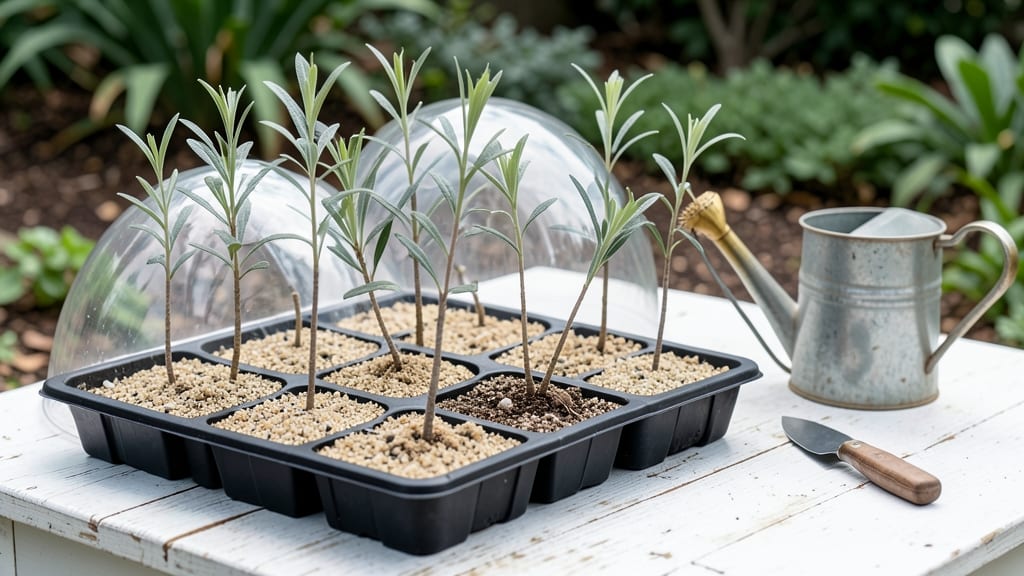
Your tea tree seedlings will grow into fragrant, bushy shrubs with the right pruning—starting with the first cut. ✂️ I’ve pruned mine since they were 6 inches tall, and the difference in shape and scent is night-and-day compared to neglected plants.
The key isn’t just cutting branches; it’s shaping growth from the very beginning so the plant develops strong structure and that signature tea tree aroma.
Young seedlings need light trimming every 4-6 weeks to encourage multiple stems and dense foliage. Use clean, sharp pruners to snip just above a leaf node—never tear the growth. Over-pruning kills them, but skipping it leads to leggy, sparse plants that never fill out.
Think of it like training a puppy: guide it early, and it’ll grow into exactly what you want.
By the time your tea tree reaches 12-18 inches, you’ll see the payoff: thick, velvety leaves and branches that spread naturally instead of reaching upward. The scent becomes stronger too, that fresh, herbal aroma that repels pests and fills the air.
With consistent pruning, your plant will stay compact, productive, and fragrant for years—no need for harsh chemicals or chemical fertilizers.
Works for both indoor potted tea trees and outdoor shrubs, though outdoor plants can handle slightly heavier pruning. The same principles apply whether you’re growing Melaleuca alternifolia or other varieties. Here’s how to keep your seedlings thriving from day one.
📚 In This Guide
- What you need
- Instructions
- Tips and common mistakes
- Wrapping up and next steps
What you need
- ● Pruning shears: Sharp, bypass-style shears (for clean cuts on small branches). Size: 5–7 inches.
- ● Hand pruners: For thicker branches (up to ½ inch in diameter). Look for: Ergonomic grips and rust-resistant blades.
- ● Disinfectant: 70% isopropyl alcohol or a gardening disinfectant spray (to prevent disease spread).
- ● Gloves: Heavy-duty, nitrile-coated gloves (protection against thorns and sap).
- ● Tea tree seedlings: Healthy, established plants (age: 1–3 years old for best pruning response).
- ○ Pruning saw (optional for thick stems): Curved-tooth design to avoid tearing wood.
- ● Marking twine or tape: For identifying branches to prune (if needed).
- ● Horticultural oil: Post-pruning treatment to seal cuts and boost plant health.
- ● Plant food: Balanced fertilizer (e.g., 10-10-10) to support regrowth.
- ● Mulch: Organic mulch (e.g., pine straw or wood chips) to retain moisture and suppress weeds.
- ● Notebook & pen: To track pruning dates and plant responses.
- ● Watering can: For post-pruning hydration (especially in dry climates).
Instructions for pruning tea tree seedlings
Here's how I shape young tea trees into strong, aromatic bushes—step by step.
✂️ Step 1: Wait for the Right Time to Prune
Prune tea tree seedlings in early spring before new growth begins, or in late winter when the plant is still dormant. This timing ensures you're not cutting into next year's buds or removing growth that could support photosynthesis. You'll know it's the right moment when the plant has lost its winter dormancy but hasn't yet burst into new leaves.
Never prune in fall or winter when the plant is fully dormant—you risk damaging next year's growth. If you must prune outside this window, do so lightly, focusing only on dead or damaged branches. Tea trees are resilient, but aggressive pruning at the wrong time stresses them unnecessarily.
✂️ Step 2: Sterilize Tools and Identify Growth Points
Before you cut, sterilize your pruning shears with rubbing alcohol or a 10% bleach solution to prevent disease transmission. Tea trees are susceptible to fungal infections, and contaminated tools can introduce pathogens that weaken seedlings. Wipe the blades thoroughly and let them dry completely before use.
Examine the seedling for lateral buds—these are the small, rounded growth points along the main stem where new branches will develop. Your goal is to encourage these buds to grow into strong, bushy branches. Look for the strongest, healthiest buds closest to the main stem; these will produce the most vigorous new growth.
✂️ Step 3: Remove Dead or Weak Branches First
Start by cutting back any dead, diseased, or crossing branches using clean, sharp shears. Make your cuts at a 45-degree angle, about ¼ inch above a lateral bud or outward-facing growth point. This angle helps water run off the cut and reduces the risk of rot. If a branch is too small to see a bud, cut just above the main stem or another branch.
Dead branches are easy to spot—they’re brown, brittle, and may crumble when touched. Diseased branches often have dark spots, mold, or an unusual discoloration. Removing these first improves air circulation and reduces stress on the seedling. Don’t worry about making the plant look sparse at this stage; you’re preparing it for healthier growth.
✂️ Step 4: Shape for Bushiness by Pinching and Trimming
To encourage a full, bushy shape, pinch off the tips of the main stems and branches when they reach 6-8 inches tall. This redirects the plant’s energy toward lateral buds, producing more branches. Use your fingers or clean shears to snip just above a set of leaves or a lateral bud. You’ll see new growth sprouting from those buds within 2-3 weeks.
For thicker growth, trim back the longest branches by one-third of their length. Focus on branches that are growing inward or rubbing against others—these compete for sunlight and nutrients. Cutting them back opens up the center of the plant, allowing light to reach all sides and promoting even growth. Avoid over-pruning; tea trees respond well to light shaping but can become stressed if you remove too much foliage at once.
⏰ Step 5: Monitor and Adjust Growth Habits
After pruning, keep an eye on the seedling’s response. Healthy new growth should appear within 2-4 weeks, with fresh, vibrant leaves emerging from the lateral buds. If growth slows or the plant looks weak, it may need more sunlight or water. Tea trees thrive in full sun to partial shade, so ensure your seedling gets at least 4-6 hours of direct sunlight daily.
Adjust your pruning approach based on the seedling’s progress. If it grows too leggy, repeat the pinching process every 4-6 weeks during the growing season. If it becomes too dense, thin out some branches to improve airflow. The key is balance—prune just enough to shape the plant without overdoing it. Over time, your tea tree will develop a strong, fragrant, and bushy structure that’s perfect for harvesting leaves or enjoying its natural aroma.
Tips & tricks for perfect tea tree seedling pruning
Here's what nobody tells you about shaping tea trees—these details make all the difference between a leggy plant and a lush, fragrant bush.
Timing is Everything: The early spring or late winter window isn't just about avoiding dormancy—it's about catching the plant when it's primed for new growth. I've seen gardeners prune too early and end up with stunted seedlings. Look for those tiny swellings at the base of branches (the buds) that haven't quite broken yet—that's your perfect cue. The plant needs to be awake but not yet fully active, or you'll be cutting into next year's potential.
Tool Prep Matters More Than You Think: Sterilizing with rubbing alcohol isn't just about clean cuts—it's about preventing fungal infections that can silently weaken your seedling. I learned this the hard way when my first batch developed black spots after pruning. For extra protection, especially in humid climates, consider wiping your tools with a 10% bleach solution (just rinse thoroughly afterward). The key is making sure tools are completely dry before use—moisture left on blades can actually promote bacterial growth.
Bud Selection Strategy: When identifying lateral buds in Step 2, focus on those closest to the main stem—they'll produce the strongest new growth. I've found that buds on the lower half of the stem often develop into thicker branches than those higher up. For maximum bushiness, prioritize buds that are facing outward rather than inward. This simple visual check can transform your pruning from random cuts to intentional shaping that creates that perfect rounded shape.
Pruning Angle Science: That 45-degree angle isn't arbitrary—it's about water runoff and wound healing. The sloped cut prevents water from pooling at the cut site, which would otherwise create perfect conditions for rot. For branches too small to see buds, cut just above the main stem or another branch while maintaining that angle. Think of it like creating a little roof that sheds water away from the vulnerable cut surface.
Pro Tips for Tea Tree Seedlings
- Here's what nobody tells you about shaping tea trees—these details make all the difference between a leggy plant and ...
- Timing is Everything: The early spring or late winter window isn't just about avoiding dormancy—it's about catching t...
- Tool Prep Matters More Than You Think: Sterilizing with rubbing alcohol isn't just about clean cuts—it's about preven...
Frequently asked questions
Got questions about growing tea tree seedlings?
You’re not alone! Here are answers to the most common concerns—from timing to troubleshooting—so you can nurture lush, fragrant tea trees with confidence.
How long does it take for tea tree seedlings to grow into mature plants?
Tea tree seedlings typically take 3–5 years to reach maturity, depending on climate and care. In ideal conditions (full sun, well-draining soil, and regular watering), you’ll see noticeable growth in the first 1–2 years. Patience pays off—mature trees produce the most fragrant leaves and oil!
When is the best time to prune tea tree seedlings?
Prune tea tree seedlings early spring (before new growth) or late summer to encourage bushy, healthy development. Avoid pruning in winter (dormant season) or during extreme heat. Light trimming (20–30% of new growth) is ideal—over-pruning can stress young plants.
How often should I water tea tree seedlings?
Keep soil consistently moist but not soggy for the first year. Water deeply 2–3 times per week (adjust for rain/climate). Once established (year 2+), reduce to once a week or when the top inch of soil dries. Overwatering can cause root rot—drainage is key!
Can I use tea tree seedlings for essential oil extraction?
Yes! However, mature trees (3+ years old) yield the highest-quality oil. Young seedlings produce minimal oil—focus on nurturing them first. Harvest leaves from mature branches (avoid over-pruning) and use steam distillation for safe extraction. Always research proper methods before DIY projects.
What should I do if my tea tree seedlings have yellow leaves?
Yellow leaves often signal overwatering, nutrient deficiency, or pests. Check soil moisture (let it dry slightly between waterings) and inspect for aphids or mites. Amend soil with compost or a balanced fertilizer (low in nitrogen). If pests are present, use neem oil or insecticidal soap.
Wrapping up and next steps
Growing lush, fragrant tea tree seedlings is all about patience, the right tools, and a little green thumb love! 🌿 With the techniques shared—like pruning for shape, removing dead branches, and encouraging bushier growth—you’re well on your way to nurturing a thriving tea tree.
Remember, consistency is key, so keep an eye on your seedlings and adjust as they grow.
Ready to take the next step? Start small—prune just a few branches this week and observe how your tea tree responds. Over time, you’ll build confidence and create the perfect fragrant haven in your garden! 🌱✨