
Pruning
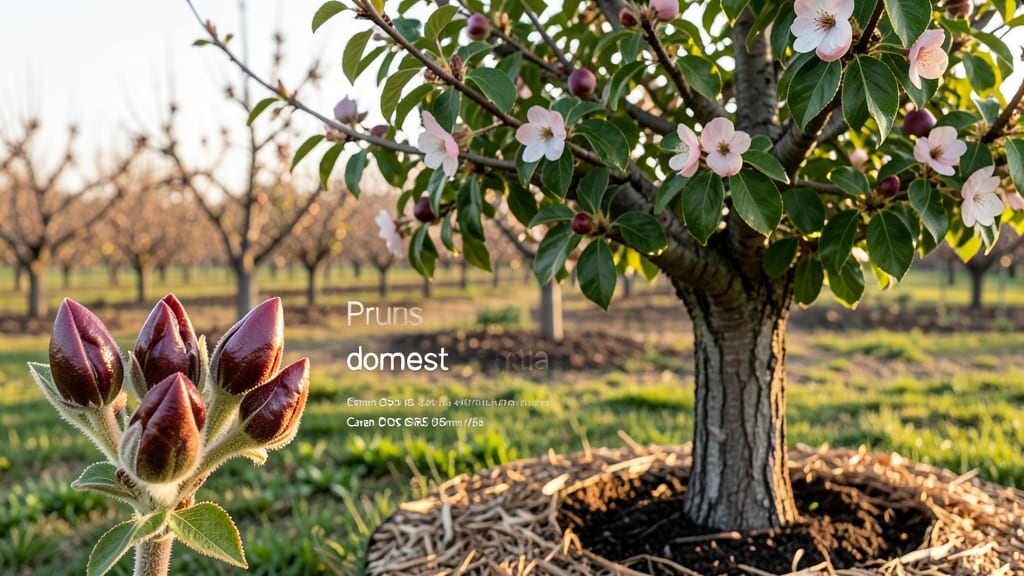
Your plum tree not flowering could be fixed with a few strategic cuts. ✂️ I’ve revived three plum trees using the same pruning approach—it’s all about timing, technique, and understanding what your tree actually needs. Most gardeners overlook how last winter’s pruning (or lack of it) affects next year’s blooms.
The biggest culprits are overgrown branches blocking sunlight and old growth that never produces flowers. Plum trees bloom on 1-year-old wood, so if you’re pruning too late in the season or cutting back too aggressively, you’re essentially trimming next year’s potential blooms.
Even nutrient deficiencies or drought stress can trick a tree into focusing on leaves instead of flowers.
Start by pruning in late winter or early spring before buds swell—this gives your tree time to grow fresh, flowering wood. Thin out crowded branches to improve airflow and sunlight penetration, and avoid heavy pruning that removes more than 25% of the canopy.
Within a season, you’ll see new growth pushing out, and with proper care, those branches will burst into blossoms.
For extra insurance, add a balanced fertilizer in early spring to support flowering, and water deeply during dry spells. Most plum trees respond within 1-2 seasons to proper pruning and care—patience is key, but the payoff is worth it. Let’s get those branches working for you again.
Hidden Reasons Behind Missing Blooms
Plum trees are known for their stunning blossoms, but when they refuse to flower, it can be frustrating. Understanding the root causes behind this issue is the first step to restoring your tree’s productivity. Below, we break down the most common reasons—backed by science—and explain how they disrupt flowering.
---
Plum trees are perennial plants, meaning they take time to mature before they produce flowers. Young trees (typically under 3–5 years old) focus their energy on root and branch development rather than flowering. This is a survival strategy—just like how a human child prioritizes growth over reproduction.
- Scientific Insight: Flowering is triggered by hormonal signals (like florigen) that require a certain level of carbon assimilation (photosynthesis). A young tree lacks the biomass and energy reserves needed to support blooms. - Actionable Fix: If your tree is still young, patience is key.
Provide optimal care (water, nutrients, sunlight) to accelerate maturity. For older trees that suddenly stop flowering, check for stress factors (below).
---
Plum trees are temperature-sensitive, and flowering is tightly linked to chill hours—the number of hours below 45°F (7°C) they experience in winter. Without enough cold exposure, the tree’s dormancy cycle is disrupted, preventing bud formation.
- Scientific Insight: Most plum varieties need 300–1,000 chill hours per year.
If winters are too mild (common in urban heat islands or warm climates), the tree may fail to break dormancy properly. - Actionable Fix: - Check your climate zone—some plum cultivars (like Santa Rosa) thrive in cooler areas, while others (like Methley) tolerate heat better. - If your region lacks chill hours, consider winter chilling sprays (like hydrogen cyanamide) or planting a cold-hardy variety.
---
Flowering is an energy-intensive process, and water or nutrient shortages can halt bloom production. Plum trees need balanced hydration and micronutrients to develop flower buds.
- Scientific Insight: - Drought stress triggers abscisic acid (ABA), a hormone that inhibits flowering to conserve energy. - Nitrogen deficiency delays growth, while potassium and phosphorus imbalances directly affect bud differentiation. - Soil pH issues (too acidic or alkaline) can block micronutrient uptake (e.g., boron, zinc), which are critical for flower formation. - Actionable Fix: - Deep-water weekly during dry spells (1–1.5 inches per week). - Test soil pH (ideal: 6.0–7.0) and amend with lime (for acidity) or sulfur (for alkalinity). - Fertilize in early spring with a balanced 10-10-10 or 5-10-10 formula, followed by a potassium-rich boost (like 0-10-20) in late summer to encourage next year’s buds.
---
Aggressive or untimely pruning can severely reduce flowering by removing flower buds or stressing the tree. Plum trees form mixed buds (some for leaves, some for flowers), and cutting too late in the season removes next year’s blooms.
- Scientific Insight: - Flower buds on plum trees are formed in the previous summer/fall and require hormonal signals from mature wood. - Pruning after mid-summer removes next year’s potential blooms. - Over-thinning reduces the tree’s leaf-to-branch ratio, lowering photosynthetic energy for flowering. - Actionable Fix: - Prune in late winter/early spring (just before buds swell) to avoid removing flower buds. - Never remove more than 25% of the canopy in one season. - Avoid topping or heading cuts—instead, use open-center pruning to maintain an umbrella shape.
---
Pests like borers, aphids, and spider mites weaken plum trees by sapping sap and nutrients, while diseases (e.g., silver leaf fungus, bacterial canker) clog vascular systems, preventing proper nutrient transport to flower buds.
- Scientific Insight: - Aphids inject toxins that disrupt hormonal balance, reducing flowering. - Root-knot nematodes damage roots, limiting water and nutrient uptake. - Fungal infections (like powdery mildew) block stomata, reducing photosynthesis. - Actionable Fix: - Inspect leaves and bark for sawdust-like frass (borers), sticky residue (aphids), or white powder (mildew). - Apply neem oil or horticultural oil for pests; use copper fungicides for diseases. - Improve air circulation by thinning dense branches to prevent fungal spread.
--- If your plum tree is competing with weeds, grass, or nearby plants for nutrients, or if it was recently transplanted, its energy is diverted away from flowering.
- Scientific Insight: - Root grafts (when roots merge with other trees) can steal nutrients. - Transplant shock triggers ethylene production, a hormone that inhibits flowering as a survival response. - Actionable Fix: - Mulch heavily (3–4 inches) with wood chips or straw to suppress weeds and retain moisture. - Avoid planting near aggressive roots (e.g., black walnut, bamboo). - If recently transplanted, water deeply 2–3 times per week for the first year to re-establish root systems.
--- Not all plum trees are created equal—some varieties are less prolific bloomers due to genetic traits or pollination requirements.
- Scientific Insight: - Self-pollinating varieties (like Stanley) may still need cross-pollination for optimal fruit and flower production. - Some ornamental plums (e.g., Prunus cerasifera) prioritize foliage over flowers. - Actionable Fix: - Plant a second compatible variety within 50 feet for cross-pollination. - Check your tree’s label—if it’s a flowering plum (Prunus cerasifera), expect fewer edible fruits but more showy blooms.
--- Synthetic hormones (like ethylene inhibitors) or residual herbicides in the soil can disrupt flowering signals.
- Scientific Insight: - Growth regulators (e.g., ethephon) can prematurely drop buds. - Glyphosate (Roundup) residue can kill beneficial microbes in the soil, reducing nutrient availability. - Actionable Fix: - Avoid herbicides near the tree’s drip line. - If you suspect chemical damage, flush the soil with compost tea to restore microbial activity.
--- If your plum tree isn’t flowering, start with the basics: 1. Is it young? (Wait and nurture.) 2. Did it get enough winter chill? (Adjust variety or location.) 3. Is it stressed? (Check water, soil, and pests.)
Once you identify the primary cause, targeted fixes will restore blooms in as little as one growing season. 🌸
Revive Your Tree’s Blooms Naturally
Now that you know the likely reasons behind your plum tree’s lack of flowers, it’s time to take action! Below are practical, step-by-step solutions tailored to each common cause—plus tips to prevent future issues. Let’s get your tree back on track to a bountiful bloom!
---
If over-pruning or poor timing is the culprit, your tree needs a strategic trim to reset its energy.
#### 🔪 Step-by-Step Pruning Fix 1. Wait for the Right Time – Prune after harvest (late winter/early spring) or right after flowering (summer). Avoid heavy cuts in fall or winter when the tree is dormant.
2. Remove Dead or Diseased Branches – Use sterilized pruners (rubbing alcohol wipe) to cut away any blackened, cracked, or fungal-infected branches. 3. Thin Out Crowded Growth – Look for crossing branches or suckers (shoots growing from the base). Cut these at the base to improve airflow.
4. Shape for Light Exposure – Open the canopy by trimming inward-facing branches to let sunlight reach the center (where most flowers form). 5. Avoid Top-Heavy Cuts – Never trim more than 25% of the tree’s foliage in one season—this stresses the tree and delays blooming.
> 💡 Pro Tip: If your tree is young (<3 years), skip heavy pruning—focus on removing only dead wood. Mature trees (5+ years) can handle more aggressive shaping.
---
Drought stress or poor soil can stunt flower production. Here’s how to hydrate and nourish your plum tree properly.
#### 💧 Watering & Soil Rescue Plan | Issue | Solution | Prevention Tip | |--------------------------|------------------------------------------------------------------------------|---------------------------------------------| | Underwatering | Water deeply 1-2 times per week (1-2 inches per session).
Use a soaker hose for slow absorption. | Mulch with 3-4 inches of organic mulch (wood chips, straw) to retain moisture. | | Overwatering | Let the top 2-3 inches of soil dry between waterings.
Check for root rot (soft, mushy roots = too wet). | Improve drainage with sand or perlite if soil is clay-heavy. | | Poor Soil Nutrition | Test soil pH (ideal: 6.0-6.5).
Amend with: - Compost (for organic matter) - Balanced fertilizer (10-10-10) before spring buds form - Epsom salt (1 tbsp per gallon of water) if magnesium is low | Feed annually in early spring with citrus or fruit-tree fertilizer. |
> 🌡️ Pro Tip: If your tree is in full sun, it may need more frequent watering (3x/week in summer). Monitor leaf color—yellowing = overwatering; crispy edges = underwatering.
---
Plum trees crave sunlight—if they’re shaded, they’ll skip flowering.
#### 🌿 Sunlight & Placement Adjustments - Move or Prune Obstacles: Trim nearby trees/shrubs blocking 6+ hours of direct sun. - Relocate Young Trees (If Possible): If planted under a large tree, consider transplanting to a sunnier spot (best done in late fall or early spring). - Reflect Sunlight: Place a white garden wall or mirror near the tree to bounce extra light onto shaded branches.
> ✨ Pro Tip: Dwarf varieties need even more light—ensure they’re not tucked behind taller plants.
---
If pests or lack of pollinators are the issue, revive the ecosystem around your tree.
#### 🐝 Pollinator & Pest Solutions - Attract Bees & Butterflies: - Plant pollinator-friendly flowers nearby (lavender, marigolds, sunflowers). - Avoid pesticides—use neem oil or soapy water spray for pests instead. - Combat Sap-Sucking Pests (Aphids, Scale): - Blast off pests with a strong hose spray (disrupts their grip). - Introduce beneficial insects (ladybugs, lacewings) or use insecticidal soap. - Fungal Disease Fix: - Remove fallen leaves/debris (burn or compost separately). - Apply copper fungicide if you spot black spots or powdery mildew.
> 🔥 Pro Tip: Handpick large pests (like tent caterpillars) in the morning when they’re sluggish—drop them in soapy water.
---
If your tree is healthy but still not blooming, a little hormonal nudge can help.
#### 💊 Chemical & Organic Stimulants | Method | How to Apply | Best Time | |--------------------------|----------------------------------------------------------------------------------|-----------------------------| | Flowering Hormone Spray (e.g., Dormant Oil + Flowering Spray) | Spray bare branches in late winter (before buds swell). | February-March | | Potassium-Rich Fertilizer (e.g., banana peel tea or greensand) | Mix 1 tbsp greensand into soil after pruning or brew banana peels in water (use as a foliar spray). | Early spring | | Apple Cider Vinegar Spray (for micronutrients) | Mix 1 tbsp ACV + 1 tsp baking soda in 1 gallon water.
Spray leaves & soil. | Spring & summer |
> 🎯 Pro Tip: Avoid high-nitrogen fertilizers (like lawn fertilizer)—they promote leafy growth over flowers. Stick to phosphorus-heavy (for blooms) or potassium-heavy (for root strength).
---
To avoid future flowering failures, follow this year-round care plan:
✅ Spring: - Prune after last frost (but before buds open). - Apply balanced fertilizer (10-10-10) + Epsom salt. - Plant pollinator-friendly flowers nearby.
✅ Summer: - Water deeply 2-3x/week (no shallow sprinkling). - Monitor for pests/diseases—act fast! - Thin fruit (if overloaded) to redirect energy to next year’s blooms.
✅ Fall: - Mulch heavily (3-4 inches) to protect roots. - Avoid heavy pruning—just remove dead wood. - Test soil pH and amend if needed.
✅ Winter: - Wrap young trees in burlap if your climate drops below 10°F. - Apply dormant oil spray (prevents pests & fungal spores).
--- Final Thought: Patience is key—some plum trees take 2-3 years to rebound after stress. With these fixes, you’ll likely see more buds next spring! 🌸 If all else fails, consider grafting a new variety onto your tree for a fresh start.
Frequently asked questions
My plum tree is 4 years old but still not flowering—what should I check first?
At 4 years old, your tree should be flowering if healthy. First, verify it got enough chill hours (300–1,000 hours below 45°F). If winters are too mild, consider a cold-hardy variety like Santa Rosa. Next, check for nutrient deficiencies—test soil pH (ideal: 6.0–6.5) and fertilize with phosphorus-rich (like 5-10-10) in early spring. Finally, inspect for pests or diseases like aphids or powdery mildew, which drain energy from blooming.
Can I prune my plum tree in summer to encourage more flowers next year?
No—summer pruning is risky! Plum trees form flower buds on 1-year-old wood in late summer/fall, so cutting back now removes next year’s potential blooms. Instead, prune in late winter/early spring (just before buds swell) to shape the tree while preserving flower buds. Limit cuts to 25% of the canopy to avoid stressing the tree.
How do I know if my plum tree isn’t getting enough sunlight?
Look for long, leggy branches reaching toward light or yellowing leaves on shaded sides. Plum trees need 6+ hours of direct sun daily for flowering. If your tree is under another plant, prune the obstacle or relocate it to a sunnier spot. A white garden wall near the tree can also reflect extra light onto shaded branches.
Will over-fertilizing with nitrogen make my plum tree flower less?
Yes! Too much nitrogen promotes leafy growth at the expense of flowers. Stick to a balanced fertilizer (10-10-10) in early spring, then switch to a potassium-rich (like 0-10-20) in late summer to boost next year’s buds. Avoid lawn fertilizers—they’re too heavy in nitrogen.
Can I force my plum tree to flower faster with chemicals?
While flowering hormone sprays (like hydrogen cyanamide) can help in mild climates, they’re not a long-term fix. For best results, focus on natural solutions: ensure proper chill hours, prune correctly, and fertilize with phosphorus. Organic options like banana peel tea (rich in potassium) or apple cider vinegar sprays can also gently encourage blooming. Patience is key—most trees rebound within 1–2 seasons with proper care.