
Pruning
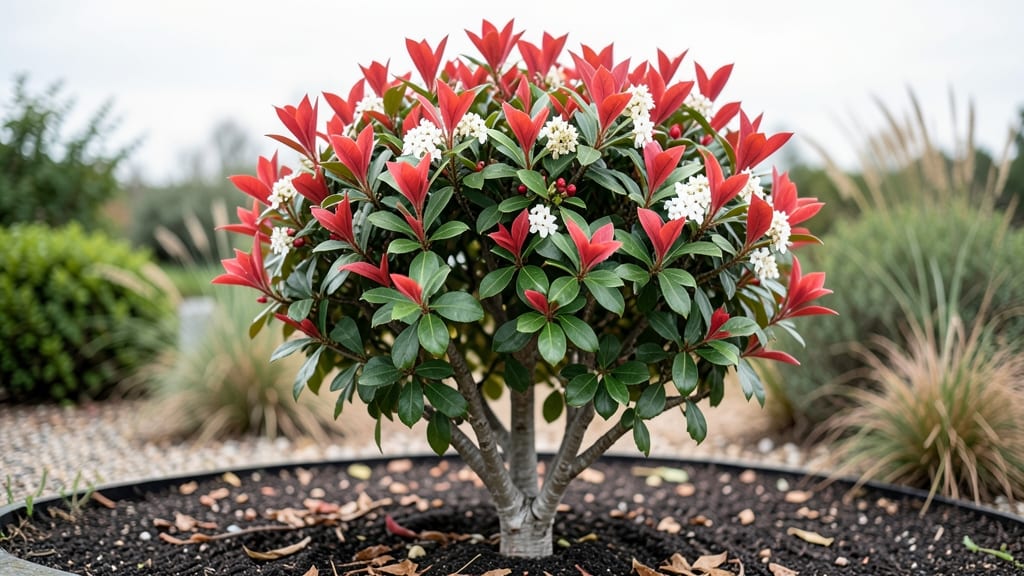
The Red Tip Photinia tree can grow between 10 and 15 feet tall—a height that’s stunning but can quickly overwhelm a small yard if left unchecked.
If you're dreaming of a vibrant hedge or privacy screen, this shrub delivers fast growth, but its height can spiral out of control without the right pruning techniques. The key to managing its size lies in understanding its growth rate, seasonal care, and when to trim for optimal shape.
Most gardeners see their Red Tip Photinia reach 6 to 8 feet in just three years, with mature height varying based on pruning habits, soil quality, and sunlight exposure. Without regular maintenance, it can stretch toward 20 feet—way taller than most homeowners intend.
In this guide, I’ll break down how to control its height, including the best pruning schedule, tools to use, and how to avoid common mistakes that stunt growth or damage the plant. Let’s get started!

How tall does a Red Tip Photinia tree grow? Height by age & growth rate
The Red Tip Photinia is one of the fastest-growing shrubs in landscaping, but its height depends heavily on growing conditions and pruning habits. Without pruning, this shrub can reach an impressive 10 to 15 feet tall, often growing 12 to 24 inches per year under ideal conditions.
Understanding its growth pattern helps you plan for privacy screens or hedges effectively.
In its first year, a young Red Tip Photinia typically grows 2 to 3 feet tall, establishing a strong root system. By year two, it can double in height, reaching 4 to 6 feet.
This rapid growth continues until maturity, where it stabilizes between 10 and 15 feet depending on sunlight, soil quality, and climate.
| Age | Height Range | Growth Rate | Pruning Needs |
|---|---|---|---|
| Year 1 | 2–3 ft | 12–24 in/year | Minimal |
| Year 2 | 4–6 ft | 12–24 in/year | Light shaping |
| Year 3+ | 6–15 ft | 6–12 in/year | Regular pruning |
| Mature (5+ years) | 10–15 ft | Slow growth | Annual maintenance |
Sunlight plays a critical role in determining how tall your Red Tip Photinia grows. In full sun (6+ hours daily), it grows faster and taller, often reaching the upper end of the 10–15 feet range.
In partial shade, growth slows, and the shrub may stay closer to 8–10 feet. If you’re aiming for a shorter hedge, plant it in a slightly shaded spot or prune aggressively.
Soil quality also impacts growth. Well-draining, slightly acidic soil (pH 5.0–6.5) promotes faster growth, while poor soil or waterlogged conditions stunt its height. Amend clay or sandy soil with compost or organic matter to encourage healthy root development and optimal growth rates.
Climate matters too. In warmer zones (USDA 7–10), Red Tip Photinia thrives and grows faster, often exceeding 12 feet without pruning. In cooler zones (USDA 6–7), growth slows slightly, but it still reaches 8–12 feet with proper care.
Always check your local frost dates to plant after the last frost for best results.
If you’re using this shrub for a privacy screen, plan for its mature height. Without pruning, it can block views effectively but may require regular trimming to maintain a neat appearance. For a hedge, prune it annually in late spring to encourage bushier growth and control height.
One common mistake is assuming all Red Tip Photinia varieties grow the same height. While the standard variety reaches 10–15 feet, some dwarf cultivars stay under 6 feet. Always check the specific variety’s label before planting to avoid surprises.
To keep your Red Tip Photinia at a manageable height, prune it 2–3 times per year, focusing on removing 1/3 of the new growth in late spring. This encourages denser foliage and controls height effectively without stunting the plant.
Remember, the key to managing height is consistent pruning. Start early—even young plants respond well to light shaping—and you’ll avoid the headache of dealing with an overgrown shrub later. With the right care, your Red Tip Photinia will be a stunning, manageable addition to your landscape.
Best pruning techniques to control Red Tip Photinia height & shape
Pruning your Red Tip Photinia isn’t just about keeping it looking neat—it’s the key to controlling its height growth and maintaining that lush, vibrant foliage. Without proper pruning, this shrub can quickly reach 10-15 feet tall, overshadowing your yard or blocking views.
The good news? With the right techniques, you can shape it into a compact hedge or keep it as a single-stemmed specimen. Let’s dive into the best methods to tame its growth while keeping it healthy.
Timing is everything when pruning Photinia fraseri. The best time to prune is in late winter or early spring, just as new growth begins. This encourages fresh, vibrant foliage and prevents the shrub from becoming leggy.
Avoid heavy pruning in summer or fall, as this can stimulate tender new growth that won’t survive winter frosts. For minor shape adjustments, you can prune lightly in summer, but never cut into old wood—this can stress the plant and leave it vulnerable to disease.
Before you grab your shears, gather the right tools. A pair of sharp bypass pruners is ideal for clean cuts on smaller branches, while a pruning saw may be needed for thicker stems. Don’t forget gloves and safety goggles—Photinia thorns are no joke!
Sterilize your tools with rubbing alcohol or bleach to prevent the spread of bacterial diseases like leaf spot, which can weaken your shrub. A ladder might also come in handy if your Photinia is already towering over you.
⚠️ callout warning
⚠️ Warning: Avoid These Pruning Mistakes!
Over-pruning can stunt growth and leave your Photinia vulnerable to pests. Never remove more than 25-30% of the plant’s foliage in one session. Cutting into old wood (wood older than 3 years) won’t produce new growth and can harm the shrub. Finally, avoid pruning in fall, as new growth won’t harden off before winter.
🌱 Pro Tip: Always prune just above a leaf node or bud to encourage healthy regrowth.
Start by removing any dead, diseased, or crossing branches first. These can crowd out healthy growth and invite pests. Next, focus on shaping the shrub by cutting back overly long branches to your desired height.
For a hedge, aim to keep the top uniform by trimming the outer edges at a slight angle. If you’re growing your Photinia as a single-stemmed tree, prune to encourage a central leader and remove lower branches to create clearance.
Remember, less is more—gradual pruning yields better results than drastic cuts.
For height control, prioritize vertical pruning in early spring. Cut back the tallest branches by one-third to encourage bushier growth. If your Photinia is already too tall, you can make gradual reductions over multiple seasons to avoid shocking the plant.
Always step back and assess your work—this helps you see the overall shape and ensures you’re not creating uneven spots. A well-pruned Photinia should look full and balanced, not sparse or lopsided.
After pruning, give your shrub some extra care to help it recover. Water deeply to reduce stress, and consider applying a balanced fertilizer (like 10-10-10) in early spring to support new growth. Mulch around the base to retain moisture and suppress weeds.
With consistent pruning and care, your Red Tip Photinia will stay at your ideal height while remaining healthy and vibrant for years to come.