
Pruning
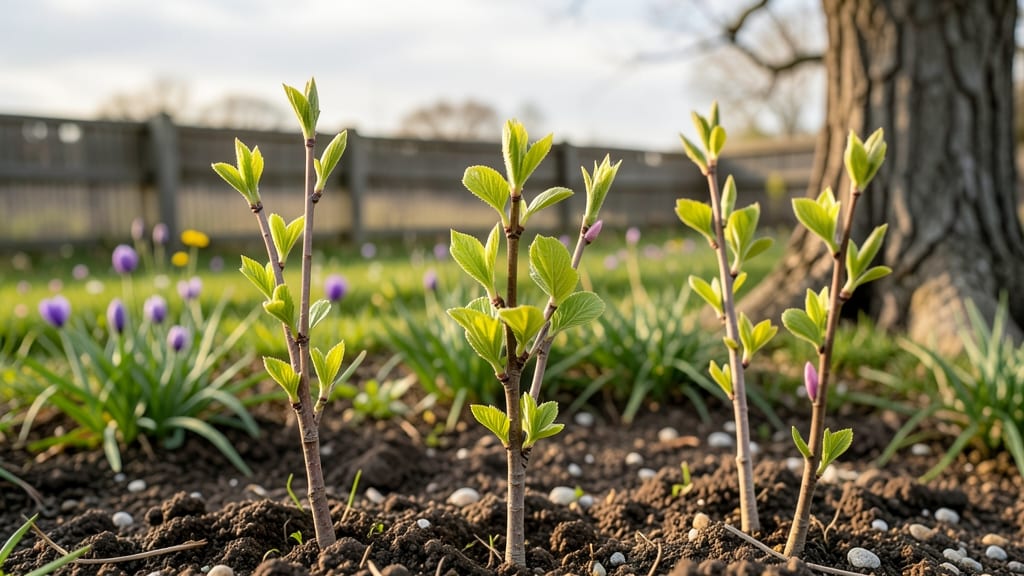
Growing redbud tree saplings transforms your yard into a springtime explosion of pink blooms. 🌸 The key to their stunning display lies in the first few years—proper planting, watering, and pruning set the stage for decades of color.
My first redbud struggled until I adjusted the soil and spacing; now it's the star of my landscape. These trees thrive in full sun with well-draining soil, but they're surprisingly adaptable.
A 3-inch layer of mulch keeps roots cool while preventing weeds, and watering deeply once a week encourages strong root development. Saplings need 10-15 feet of space to mature without competition—crowding leads to weak stems and fewer flowers.
You'll notice the first blooms in 3-5 years, but the real magic happens when the heart-shaped leaves emerge after flowering. The tree's layered branches create natural interest year-round, with golden fall foliage as a bonus. Prune in late winter to shape the tree while it's dormant.
Common challenges like transplant shock or powdery mildew are easy to prevent with the right care. Here's how to give your sapling the perfect start!
📚 In This Guide
- What you need
- Instructions
- Tips and common mistakes
- Wrapping up and next steps
What you need
- ● Redbud tree saplings: 1–3 (depending on spacing—aim for 10–15 feet apart for mature trees). Choose healthy, 1–2-year-old saplings with strong root systems.
- ● Shovel or trowel: A garden shovel (for planting) or a hand trowel (for smaller holes).
- ○ Pruning shears: Bypass pruners (sharp, 5–8" blades) for clean cuts. Loppers (for thicker branches) are optional.
- ● Mulch: 2–3 inches of organic mulch (pine straw, wood chips, or shredded bark) to retain moisture and suppress weeds.
- ● Watering can or hose: A soaker hose or watering wand for gentle, deep watering.
- ○ Fertilizer (optional): A balanced, slow-release fertilizer (10-10-10 or similar) for young saplings.
- ● Disinfectant (70% isopropyl alcohol or pruning sealant): To sterilize tools and prevent disease spread.
- ● Gloves: Garden gloves (heavy-duty for thorns or rough bark).
- ● Staking (if needed): 3–4 bamboo stakes + twine for young, top-heavy saplings.
- ● A well-draining location with full sun to partial shade (6+ hours of sunlight daily).
- ● Soil with a pH of 6.0–7.5 (amend with compost if needed).
- ● Patience! Redbuds grow 1–2 feet per year—strategic pruning pays off over time. 💡
How to prune redbud tree saplings for year-round beauty
Here's the pruning method I've used for decades to keep redbuds thriving and blooming reliably.
✂️ Step 1: Identify and Remove Dead or Damaged Branches
Start by examining your sapling for any branches that are dead, broken, or crossing. Redbuds have delicate bark that splits easily, so remove any limbs rubbing against each other. Use sharp pruning shears to make clean cuts just outside the branch collar—the swollen area where the branch meets the trunk.
I always prune dead wood first because it can harbor pests and diseases that spread to healthy branches. Look for branches with no leaves, hollow centers, or dark, shriveled bark. These are clear signs they're beyond saving. If you're unsure whether a branch is dead, scratch the bark—if it's green underneath, it's still alive.
✂️ Step 2: Thin the Canopy for Better Airflow and Light
Redbuds naturally grow with an open, airy shape, but young saplings can become overcrowded. Your goal is to remove about 20-30% of the total branches to improve airflow and sunlight penetration. Start at the bottom and work your way up, removing the smallest branches first.
Focus on branches growing inward or downward—they compete with stronger limbs for resources and create a dense canopy. Each cut should remove a branch back to its point of origin or to a lateral bud. Avoid leaving stubs, as they can rot and invite pests. You'll see the tree's natural structure emerge as you thin.
✂️ Step 3: Shape the Tree for Balanced Growth
Now it's time to shape the sapling into a strong, balanced form. Redbuds respond well to light pruning, so make small adjustments rather than drastic cuts. For young trees, I aim to create a central leader—the main vertical stem—with evenly spaced branches along its length.
Remove any branches growing straight upward from the trunk, as these compete with the central leader. Also, prune branches that are too close together to prevent future crowding. Make your cuts at a 45-degree angle just above an outward-facing bud. This encourages new growth in the direction you want, creating a more open and attractive shape.
✂️ Step 4: Prune for Spring Blooms and Summer Foliage
Redbuds bloom on last year's growth, so the best time to prune for vibrant spring flowers is right after they finish blooming. This ensures you don't remove the flower buds that formed the previous season. For summer foliage, you can do light pruning anytime during the growing season to maintain shape and size.
If your sapling has become too leggy, you can cut back some of the longer branches by up to one-third of their length. This stimulates bushier growth and more abundant blooms next spring. Avoid heavy pruning in late summer or fall, as new growth won't have time to harden off before winter.
⏰ Step 5: Clean Up and Maintain Year-Round
After pruning, clean your tools with rubbing alcohol to prevent the spread of disease. Remove all pruned branches from the area and dispose of them properly—never leave them on the ground, as they can harbor pests and diseases.
Monitor your sapling throughout the year for any new dead or crossing branches. Light maintenance pruning in late winter or early spring helps keep the tree healthy and encourages strong growth. With consistent care, your redbud will reward you with stunning spring blooms and beautiful foliage for years to come.
Tips & tricks for pruning redbud tree saplings
Pruning redbuds right takes patience and precision—here's how to avoid common mistakes while maximizing beauty.
The Tool Factor: Invest in bypass pruners with sharp, clean blades—they make precise cuts that heal faster. I've ruined several cuts using dull shears, which tear bark and invite disease. Always clean your tools with rubbing alcohol before and after pruning to prevent cross-contamination between trees. For thicker branches over ½ inch, use loppers with long handles for leverage and control.
Seasonal Timing Secret: The instructions mention pruning right after spring blooming, but here's the nuance: if you must prune outside this window, late winter (before buds swell) is your second-best option. Never prune in late summer or fall—new growth won't harden off properly before winter, leaving branches vulnerable to cold damage. For leggy trees needing rejuvenation, you can do up to one-third of the pruning in late winter, then finish after blooming.
Visual Pruning Cues: When thinning in Step 2, imagine sunlight streaming through the canopy—your goal is to create dappled light patterns. Look for branches that create dense clusters when viewed from above; these are your targets. In Step 3, when shaping, visualize the tree's natural vase shape—redbuds should have wider spacing at the bottom and narrower at the top. This creates that iconic, graceful silhouette we all love.
Maintenance Strategy: Schedule your annual pruning for the same time each year—right after blooms—to build consistency. Keep a small pruning kit in your garage with your tools, rubbing alcohol, and a plastic bag for debris. I also mark my calendar with reminders for light maintenance checks in late winter and after summer storms, which often damage branches. This proactive approach prevents major pruning sessions later.
Pro Tips for Redbud Tree Saplings
- Pruning redbuds right takes patience and precision—here's how to avoid common mistakes while maximizing beauty.
- The Tool Factor: Invest in bypass pruners with sharp, clean blades—they make precise cuts that heal faster.
- Seasonal Timing Secret: The instructions mention pruning right after spring blooming, but here's the nuance: if you must prune outside this window, late winter (before buds swell) is your second-best option.
Frequently asked questions
Got questions about growing and maintaining redbud tree saplings? You’re in the right place! Here are answers to the most common queries to help you nurture your young trees with confidence.
When is the best time to plant redbud tree saplings?
The ideal time to plant redbud saplings is during early spring or fall—when temperatures are mild and rainfall is consistent. Avoid planting in extreme heat or frost, as these conditions stress young roots. Spring planting gives saplings time to establish before summer, while fall allows them to settle before winter dormancy.
How often should I water newly planted redbud saplings?
Water your saplings deeply 2-3 times per week for the first year, ensuring the soil stays moist but not waterlogged. Once established (after 1-2 years), redbuds are drought-tolerant but benefit from occasional deep watering during dry spells. Pro tip: Mulch around the base to retain moisture and protect roots!
Should I prune redbud saplings in their first year?
Minimal pruning is best for young saplings—focus on removing dead, damaged, or crossing branches to encourage healthy growth. Avoid heavy pruning, as redbuds bloom on old wood, and over-pruning can reduce next year’s stunning spring flowers. Wait until late winter or early spring for light shaping.
What’s the best location for redbud tree saplings in my yard?
Redbuds thrive in full sun to partial shade (6+ hours of sunlight daily) and well-draining soil. They’re adaptable but prefer slightly acidic to neutral soil (pH 6.0–7.0). Avoid low-lying areas where water pools, as soggy roots can lead to root rot. Bonus: Their compact size (20–30 ft tall) makes them perfect for small gardens or as accent trees!
Are redbud saplings prone to pests or diseases?
While generally hardy, redbuds may attract aphids, borers, or powdery mildew in humid conditions. Monitor for chewed leaves or sawdust-like frass (signs of borers) and treat with neem oil or insecticidal soap if needed. Improve airflow by pruning dense branches to prevent fungal issues.
Wrapping up and next steps
Growing redbud tree saplings is a rewarding way to bring vibrant color and seasonal charm to your landscape—with just a little strategic pruning! 🌸 By mastering the right cuts (like shaping in early spring or thinning in late winter), you’ll encourage lush blooms and healthy growth year after year.
Whether you’re a novice gardener or a seasoned green thumb, these tips make the process simple and effective.
Ready to transform your yard? Start by planting your saplings in well-draining soil and grab your pruners—your future redbud tree is waiting for its first trim! 🌱