
Pruning
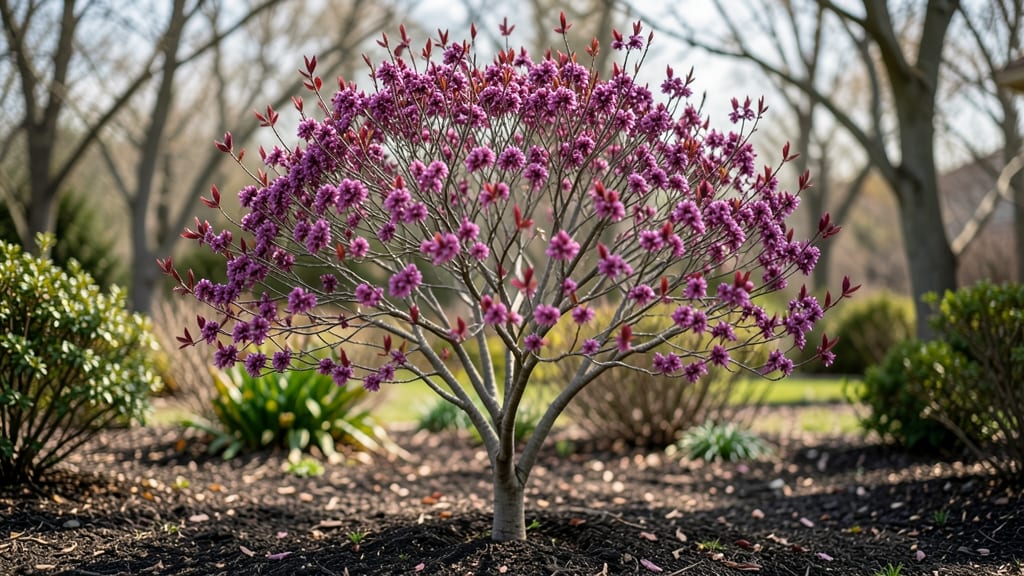
A small redbud tree can pack the same dazzling spring blooms into tight spaces, proving that beauty doesn’t need room to sprawl.
If you love the stunning spring blooms of redbud trees but lack the space for their standard varieties, these compact alternatives deliver the same beauty without the sprawling footprint.
Whether you’re working with a tiny urban yard, a container garden, or just want to avoid pruning battles later, choosing the right compact redbud variety makes all the difference.
Below, I’ll walk you through the best small redbud tree options, how to plant and care for them, and creative ways to showcase their charm in even the coziest corners.
Best small redbud tree varieties for limited spaces
If you adore the vibrant spring blooms of redbud trees but have limited garden space, compact varieties are your perfect solution. These dwarf cultivars offer the same stunning magenta flowers and heart-shaped leaves without the massive size of standard redbuds.
With mature heights ranging from 8 to 15 feet, they fit beautifully in small yards, containers, or urban landscapes.
Choosing the right variety depends on your space constraints, color preferences, and growth habits. Some compact redbuds grow wider than tall, while others maintain a more upright form.
Below, I’ve compared the top 5 small redbud varieties to help you decide which one suits your limited-space garden best.
'Alba' is my top pick for containers or small gardens because it stays compact and produces showy white flowers that contrast beautifully with its dark green foliage. It’s also one of the most drought-tolerant varieties, making it ideal for low-maintenance landscapes.
'Forest Pansy' steals the show with its deep purple flowers and dark foliage, creating a dramatic color contrast. This variety thrives in partial shade, making it perfect for woodland gardens or areas where full sun isn’t available.
Its slow growth rate ensures it won’t outgrow its space quickly.
'Lavender Twist' is a standout for upright spaces due to its unique twisting branches and soft pink blooms. It’s slightly taller than other compact varieties, making it ideal for small lawns or as a focal point in a mixed border.
Its moderate growth rate means it will fill out nicely over time.
'Ruby Falls' is a weeping redbud with cascading branches that add a whimsical touch to any space. Its magenta flowers and purple foliage create a stunning visual effect, especially when planted near a patio or deck. This variety is perfect for
How to plant and care for compact redbud trees
Compact redbud trees bring vibrant spring color to small gardens with minimal space. These dwarf varieties reach just 8-12 feet tall, making them perfect for urban yards, containers, or tight landscapes.
Their early blooms appear before leaves, creating stunning focal points. With the right care, your compact redbud will thrive for decades while requiring less maintenance than larger trees.
Before planting, choose a sunny location with well-draining soil. Compact redbuds tolerate partial shade but produce the most vibrant flowers in full sun. Avoid low-lying areas where water pools, as soggy roots lead to root rot.
Amend heavy clay soil with compost to improve drainage and fertility. These trees adapt well to various soil types but prefer slightly acidic to neutral pH between 6.0-7.0.
Step-by-Step Planting & Care Guide
- Step 1: Choose the Right Variety
Select a compact cultivar like 'Alba' (white flowers) or 'Forest Pansy' (purple leaves). These stay under 10 feet tall and grow 3-5 feet wide, ideal for small spaces. - Step 2: Plant in Early Spring
Dig a hole twice as wide as the root ball but no deeper. Plant after the last frost date (typically March-April in most zones). - Step 3: Water Deeply After Planting
Soak the soil to 12 inches deep to eliminate air pockets. Water weekly for the first year, then reduce to every 10-14 days once established. - Step 4: Apply Mulch
Spread 2-3 inches of mulch around the base (keep mulch 6 inches from the trunk). Use shredded bark or pine straw to retain moisture and suppress weeds. - Step 5: Fertilize in Early Spring
Use a balanced 10-10-10 fertilizer at planting and again in early spring. Apply 1 cup per 10 sq ft of soil area. Avoid fertilizing in fall or winter. - Step 6: Prune in Late Winter
Remove dead or crossing branches before buds swell. Thin out 10-20% of the canopy to improve airflow and flower production. - Step 7: Monitor for Pests
Watch for aphids or scale insects on new growth. Spray with neem oil if infestations appear. Compact redbuds are generally disease-resistant but may develop powdery mildew in humid climates.
Compact redbuds thrive with minimal pruning beyond removing dead wood. Prune late winter or early spring before new growth begins to avoid disturbing blooms. If your tree grows too wide, prune outer branches to maintain a balanced shape.
Never prune more than 25% of the canopy in one season to prevent stress.
These trees are drought-tolerant once established but perform best with consistent moisture during their first year. Water deeply every 7-10 days in summer, focusing on the root zone.
Avoid overhead watering to prevent fungal diseases. In containers, water every 3-5 days and use pots with drainage holes to prevent root rot.
Compact redbuds offer year-round interest, from spring blooms to heart-shaped leaves and attractive bark. Plant near patios or walkways to enjoy their early spring color up close. With proper care, these trees live 30-50 years, becoming cherished landscape features in small gardens.