
Blooming
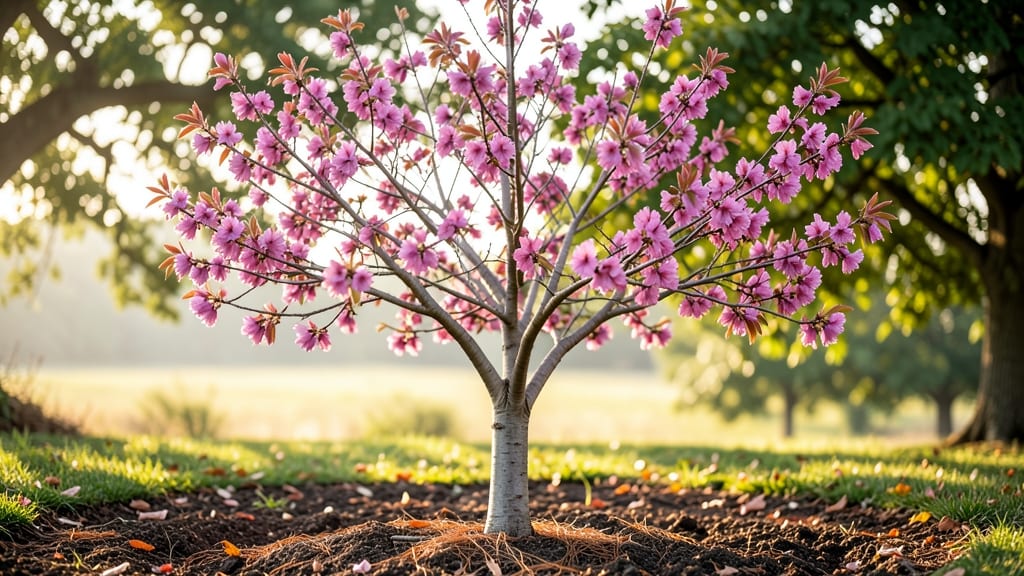
After those stunning pink blooms fade, your redbud tree (Cercis canadensis) needs the right care to stay healthy and showstopping all year. ✨ The secret to keeping its graceful branches isn’t complicated—it’s about timing, technique, and a few simple seasonal tweaks that transform a post-bloom slump into year-round beauty.
Pruning right after flowering (late May to early June) removes dead wood and shapes the tree without cutting off next year’s blooms. You’ll need sharp bypass pruners, a small saw for thicker branches, and a clear day to see the branches properly.
Focus on thinning out crowded areas and opening the center to improve airflow—this keeps pests away and encourages stronger growth.
By summer, your redbud will reward you with fresh green foliage and sturdy branches ready for winter. A light layer of mulch keeps roots cool, and a balanced fertilizer (like 10-10-10) gives it a gentle boost.
Watch for Japanese beetles—they love redbud leaves—and blast them off with water if you spot them early.
This approach works for redbuds in USDA zones 4-9, whether you’re dealing with a young sapling or a mature tree. The key is consistency: prune once a year, fertilize lightly in spring, and keep an eye out for pests.
Your tree will thank you with vibrant foliage, strong branches, and maybe even a few scattered blooms next spring.
📚 In This Guide
- What you need
- Instructions
- Tips and common mistakes
- Wrapping up and next steps
What you need
- ● Pruning shears: Bypass pruners (sharp, clean, and disinfected with rubbing alcohol or bleach solution—1 part bleach to 9 parts water). Size: 6–8 inches for small branches.
- ● Loppers: For thicker branches (up to 2 inches in diameter). Look for anvil-style or bypass loppers with ratchet-assisted handles for ease.
- ○ Pruning saw: Curved-tooth handsaw for branches over 2 inches thick. Quantity: 1 (optional if loppers handle your tree’s size).
- ● Gloves: Heavy-duty, cut-resistant gardening gloves to protect hands from thorns and rough bark.
- ● Disinfectant: Rubbing alcohol (70% isopropyl) or the bleach solution mentioned above to prevent disease spread.
- ○ Pruning sealant: Optional but helpful for large cuts (over ½ inch) to protect the tree. Choose a water-based sealant for best results.
- ● Ladder or step stool: Sturdy and tall enough to reach the highest branches safely. Height: At least 10–12 feet if your tree is mature.
- ● Trash bags: Heavy-duty bags (2–3) for collecting pruned branches and debris.
- ● Notebook & pencil: To sketch a pruning plan or jot down notes on branch removal.
- ● Hand pruners: Smaller, ergonomic shears for precision trimming of tiny branches or deadwood.
- ● Extension pole: For hard-to-reach branches (10–12 feet long).
- ● Tree wound dressing: Controversial but some swear by it—use sparingly if at all.
- ● Safety glasses: To shield eyes from debris.
- ● Knee pads: For comfort if you’ll be working on the ground for extended periods.
- ● Best time to prune: Late winter or early spring before new buds form, or immediately after blooming (but avoid heavy pruning in fall).
- ● Weather check: Prune on a dry, overcast day to reduce stress on the tree.
- ● Safety first: Wear long sleeves and closed-toe shoes to avoid scratches from thorns.
- ● Tree health: Ensure your tree is healthy (no signs of disease or pests) before pruning.
Step-by-step guide to pruning redbud trees after bloom
Here's how to keep your redbud tree thriving with strong growth and stunning spring blooms every year.
🌿 Step 1: Time Your Pruning Perfectly
Prune your redbud tree right after the flowers fade—this is when the tree naturally shifts its energy from blooming to new growth. I usually tackle this in late April or early May, right after those iconic pink blossoms drop. Never prune during dormancy (winter) or when buds are forming (late summer)—you’ll cut off next year’s flowers.
Look for brown seed pods forming—this is your cue that the tree has finished blooming. The branches will feel slightly softer and less woody at this stage, making them easier to shape. If you wait too long, you risk removing next year’s flower buds hidden in the leaf axils.
✂️ Step 2: Remove Dead, Diseased, or Crossing Branches
Start by eliminating any dead or diseased branches—they’ll be dry, brittle, or covered in black spots. Cut these back to the main trunk or a healthy lateral branch using clean, sharp pruning shears. I like to disinfect my tools with rubbing alcohol between cuts to prevent spreading disease.
Next, remove any branches that cross or rub against each other—they’ll create wounds and weak spots. Aim for an open, vase-like shape that lets sunlight and air circulate. You’ll know you’re on the right track when you can see light filtering through the canopy from all angles.
🌱 Step 3: Thin Out Overcrowded Areas
Focus on thinning branches from the inside of the tree outward, removing about 20-30% of the total foliage. This encourages stronger growth and prevents a dense, tangled mess. I start at the bottom and work my way up, cutting back branches that are growing straight up or inward.
Watch for water sprouts—those fast-growing, vertical shoots that pop up everywhere. These sap-suckers drain energy from the tree. Snip them off at the base with clean cuts. You’ll notice the tree’s structure lighten up as you go, with more space between branches.
☀️ Step 4: Shape for Balance and Light Penetration
Step back and assess the tree’s shape—redbuds naturally grow in a rounded form, but pruning can refine it. Remove any branches that spoil the symmetry or block sunlight from reaching the center. I like to keep the lower branches slightly longer to create a fuller, more dramatic silhouette.
For larger branches (over ½ inch thick), make cuts just outside the branch collar—the swollen area where the branch meets the trunk. This ensures the wound heals properly. Smaller branches can be cut back to a healthy bud or lateral branch. Avoid leaving stubs—they invite disease and rot.
🪴 Step 5: Clean Up and Monitor for Recovery
After pruning, rake up all the debris and dispose of it in the trash—don’t compost diseased branches. This keeps pests and pathogens from reinfecting your tree. Give the pruned areas a light watering if the weather has been dry, but avoid overwatering, which can stress the tree.
Over the next few weeks, watch for new growth at the cut sites. Healthy branches will sprout fresh leaves within 4-6 weeks. If you see yellowing leaves or oozing sap, you may have cut too aggressively—next time, go lighter. The goal is to encourage strong, graceful branches, not shock the tree.
Tips & tricks for pruning redbud trees after bloom
Here's what nobody tells you about pruning redbuds—these tricks will keep your tree looking stunning for seasons to come.
Timing is Everything: I can't stress this enough: the window between when flowers fade and new buds form is your only chance. If you prune too early, you risk cutting off next year's blooms. If you wait too long, you'll be removing flower buds already set for spring. The brown seed pods are your perfect cue—they signal the tree has finished blooming and is ready for shaping.
Tool Prep is Critical: Never skip disinfecting your pruning shears between cuts, especially when dealing with diseased branches. I use rubbing alcohol on a paper towel between each cut to prevent spreading pathogens. Also, make sure your blades are sharp—dull tools crush branches instead of making clean cuts, which invites infection and slows healing.
Visual Cues for Perfect Pruning: When thinning branches in Step 3, imagine sunlight filtering through the canopy. You want to create an open vase shape where light reaches the center. Hold your pruners at a 45-degree angle just outside the branch collar for larger branches—this creates a natural seal that heals better. For smaller branches, cut back to a healthy bud or lateral branch to encourage new growth in the right direction.
Recovery Watch: After pruning, monitor for new growth within 4-6 weeks. Healthy branches will sprout fresh leaves, while yellowing leaves or oozing sap indicate you may have cut too aggressively. The goal is to encourage strong, graceful branches—not shock the tree. A light watering helps recovery, but avoid overwatering which can stress the tree further.
Pro Tips for Redbud Tree After Bloom
- Here's what nobody tells you about pruning redbuds—these tricks will keep your tree looking stunning for seasons to come.
- Timing is Everything: I can't stress this enough: the window between when flowers fade and new buds form is your only chance.
- Tool Prep is Critical: Never skip disinfecting your pruning shears between cuts, especially when dealing with diseased branches.
Frequently asked questions
When is the best time to prune a redbud tree after it blooms?
Prune your redbud tree right after flowering (late spring to early summer) to avoid cutting off next year’s blooms. This timing also prevents disease spread and encourages new growth. Avoid heavy pruning in fall or winter, as it can stress the tree.
Can I prune dead branches anytime, even after blooming?
Remove dead, diseased, or crossing branches year-round—they’re bad for the tree’s health. Use clean, sharp tools to make cuts just outside the branch collar. This keeps your redbud safe and tidy without sacrificing future blooms.
What if my redbud tree isn’t blooming after pruning?
Lack of blooms often means over-pruning. Redbuds bloom on old wood, so avoid cutting back more than 20-30% of the canopy. If blooms are sparse, check for pests (like spider mites) or poor soil—fertilize lightly in early spring if needed.
Are there alternatives to redbud trees for low-maintenance blooms?
If redbuds seem high-maintenance, try serviceberry (Amelanchier) or dogwood (Cornus). Both bloom early, handle pruning well, and offer seasonal interest. Just like redbuds, prune them post-bloom to keep shapes neat and encourage new growth.
Why are my redbud leaves turning yellow after pruning?
Yellow leaves post-pruning usually signal stress—check for overwatering, nutrient deficiency, or root damage. Water deeply but less frequently, and mulch around the base to retain moisture. If yellowing persists, test soil pH (redbuds prefer 6.0–7.0) or consult a local arborist.
Wrapping up and next steps
Your redbud tree’s post-bloom care doesn’t have to be complicated—just strategic! With the right pruning techniques, you’ll keep its branches healthy, vibrant, and full of life long after those stunning pink blooms fade. Remember, timing, tools, and a gentle touch are your best friends for year-round beauty.
Now that you’re armed with the secrets, go ahead and give your tree the TLC it deserves! 🌿 Start by scheduling your next pruning session—whether it’s shaping those branches or removing dead wood—before the next growing season kicks in. Happy gardening!