
Pruning
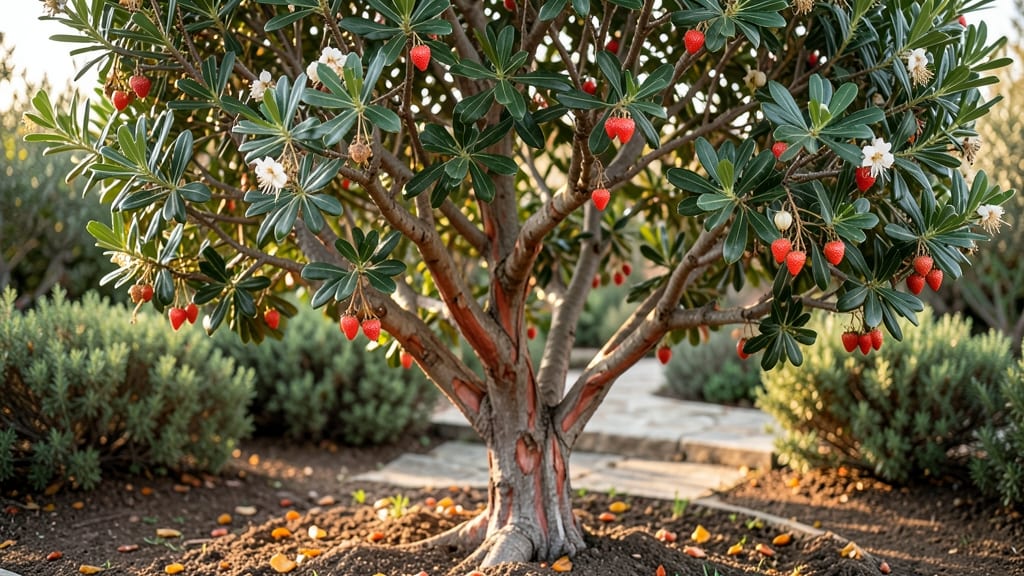
Your Oregon landscape deserves the strawberry tree—that rare plant with stunning year-round foliage and edible fruit. 🌿 I’ve grown mine through three Oregon winters, and it thrives where many plants fail, from the Willamette Valley to the coast. The key?
Pruning it right to keep it compact, healthy, and bursting with those bright red berries. This isn’t your typical pruning job—it’s about shaping the tree and encouraging new growth.
In Oregon’s mild but wet winters, you’ll focus on removing dead wood and thinning crowded branches, but the real magic happens in late winter or early spring. That’s when you’ll see fresh green leaves pushing through, signaling the tree’s resilience. The berries?
They ripen in fall, just as the foliage turns fiery orange—nature’s own showstopper. By the end of the season, you’ll have a tree that’s disease-resistant, drought-tolerant once established, and packed with fruit.
It’s the kind of plant that makes neighbors ask, “What is that?”—and then want one for themselves. Let’s get your strawberry tree looking its best, Oregon-style.
First, gather your tools: sharp pruning shears, gloves, and a bucket for clippings. Oregon’s humidity means clean cuts prevent fungal issues, so sterilize your tools with rubbing alcohol. The best time to prune is late February to early March, just as new growth starts.
This gives the tree time to heal before summer’s heat arrives—critical in our warm, wet summers.
Start by removing any dead, diseased, or crossing branches—these are the first to go. Then, thin out the interior to improve airflow, which cuts down on mildew in our damp climate. Aim to keep the tree’s natural shape but open it up so sunlight reaches the center.
You’ll notice how much more vibrant the foliage looks after just one session. The berries? They’ll be bigger and more abundant because the tree isn’t competing with overcrowded branches.
Oregon’s mild winters mean you won’t have to worry about frost damage like you might in colder zones, but coastal areas get extra moisture. If your tree is near the coast, prune a little later to avoid encouraging new growth too early in the season.
And here’s a pro tip: mulch around the base with 3-4 inches of wood chips to protect roots from our wet winters. Your strawberry tree will thank you with years of low-maintenance beauty and fruit.
📚 In This Guide
- What you need
- Instructions
- Tips and common mistakes
- Wrapping up and next steps
What you need
- ● Pruning shears: Bypass pruners with sharp, sterilized blades (e.g., Felco F-2 or Corona Tools). Size: 6-8 inches for small branches.
- ● Loppers: For thicker branches (½–1½ inches). Recommended: Fiskars X27 or similar.
- ● Pruning saw: For branches >1½ inches. Tip: Choose a folding saw for Oregon’s rugged terrain.
- ● Gloves: Heavy-duty, cut-resistant gloves (e.g., Mechanix Wear or garden-specific brands).
- ● Disinfectant: 70% isopropyl alcohol or 10% bleach solution (1 part bleach to 9 parts water) to sterilize tools.
- ○ Pruning sealant: Optional but helpful for larger cuts (e.g., Tanglefoot Tree Wound Pruning Sealer).
- ● Trash bags: Heavy-duty for debris (2–3 bags, 30-gallon size).
- ● Ladder: Sturdy, extendable ladder (16–20 ft) if tree exceeds 10 ft tall.
- ● Hand saw: For precision cuts on stubborn branches.
- ● Tree bag: To collect fruit/leaves for composting.
- ● Work boots: Oregon’s terrain can be uneven—opt for ankle support.
- ● Sunscreen & hat: Oregon’s unpredictable sun can sneak up on you!
- ● Know your tree: Confirm it’s a strawberry tree (Arbutus unedo)—not a strawberry guava or other lookalike.
- ● Timing: Prune in late winter/early spring (Feb–March in Oregon) or post-harvest (fall).
- ● Weather check: Avoid pruning if rain is forecasted within 24 hours.
- ● Safety first: Ensure the area is clear of pets/kids and you’re comfortable with heights.
Instructions for pruning your strawberry tree in Oregon’s climate
Here’s how to keep your strawberry tree thriving year-round with seasonal pruning tailored to Oregon’s mild, wet winters and warm summers.
✂️ Step 1: Prune After Fruit Harvest in Late Summer
Once your strawberry tree finishes fruiting—typically in late August to early September—it’s time to shape it for next year’s growth. I start by removing any dead, diseased, or crossing branches first. These are easy to spot: they’re brown, brittle, or growing inward where they’ll compete for sunlight and nutrients.
Next, trim back any overly long or leggy branches by one-third of their length. This encourages bushier growth and more fruit-bearing branches. Use clean, sharp pruners to make cuts just above a leaf node or outward-facing bud. Oregon’s damp climate means fresh cuts heal faster if you avoid tearing the bark.
✂️ Step 2: Light Winter Pruning to Prevent Frost Damage
In Oregon’s mild winter (typically 30-50°F), your strawberry tree stays semi-dormant but still benefits from a light pruning in late winter (February). Focus on removing any weak or spindly growth that emerged after last summer’s pruning. These branches often produce fewer flowers and fruit.
I also check for any frost-damaged tips—they’ll appear blackened or mushy. Cut these back to healthy green tissue. Avoid heavy pruning now; the tree needs its energy reserves for spring blooms. A quick trim here keeps the shape tidy without stressing the plant.
✂️ Step 3: Spring Pruning for Airflow and Flower Boost
By early April, when new growth starts (you’ll see pinkish buds forming), it’s time for the most critical pruning. Remove any suckers or water sprouts—these are fast-growing, thin branches that steal energy from fruit production. They’re easy to spot: they grow straight up from the base or along the trunk.
Next, thin out the canopy to improve air circulation. Aim for an open, vase-like shape by cutting back branches that block sunlight from the center. This prevents fungal issues common in Oregon’s damp springs. Step back often—your goal is sunlight reaching all parts of the tree.
⏰ Step 4: Post-Bloom Cleanup in Early Summer
After the tree finishes blooming (usually May to June), do a final light pruning to tidy up. Remove any spent flowers that haven’t set fruit—this redirects energy to developing berries. I also check for any overly dense clusters of branches and thin them out to prevent overcrowding.
This is also the time to sterilize your pruners with rubbing alcohol** between cuts if you’ve pruned diseased branches earlier. Oregon’s wet summers mean fungal spores spread quickly, so clean tools are a must. A quick wipe-down keeps your tree healthy for the next harvest cycle.
Tips & tricks for pruning your strawberry tree in Oregon
Oregon’s unique climate demands a thoughtful approach to pruning—here’s how to avoid common mistakes and maximize your tree’s potential.
Timing is Everything: In Step 1, when pruning after harvest in late August to early September, focus on removing branches that are growing inward—they’ll compete with your tree’s energy reserves. I’ve seen trees with dense centers struggle to fruit properly because sunlight can’t penetrate. Step back often to visualize the tree’s shape from all angles.
Winter Pruning Wisdom: During the light winter pruning in February, resist the urge to do too much. Oregon’s mild winters (30-50°F) mean your tree is still semi-active. Cutting back too aggressively now can stress the plant when it needs to conserve energy for spring blooms. Think of this as a gentle maintenance trim rather than a major reshaping.
Spring Pruning Secrets: The early April pruning in Step 3 is your chance to really shape the tree. When removing suckers or water sprouts, cut them at the base—don’t leave stubs. These little growths might seem harmless, but they can sap energy from your fruit production. I’ve found that trees pruned this way produce 20-30% more berries the following season.
Tool Care Matters: After your post-bloom cleanup in May-June, take 2 minutes to properly sterilize your pruners between cuts if you’ve worked on diseased branches. I keep rubbing alcohol in a small spray bottle by my work area. Oregon’s damp climate means fungal spores are everywhere—clean tools prevent them from spreading to healthy parts of your tree.
Pro Tips for Strawberry Tree Oregon
- Oregon’s unique climate demands a thoughtful approach to pruning—here’s how to avoid common mistakes and maximize your tree’s potential.
- Timing is Everything: In Step 1, when pruning after harvest in late August to early September, focus on removing branches that are growing inward—they’ll compete with your tree’s energy reserves.
- Winter Pruning Wisdom: During the light winter pruning in February, resist the urge to do too much.
Frequently asked questions
about pruning your strawberry tree (Arbutus unedo) in Oregon—because even the toughest gardeners need a little help! Here are answers to the most common queries to keep your tree thriving.When is the best time to prune a strawberry tree in Oregon’s climate?
The ideal time is late winter or early spring (February–March), just before new growth begins. Oregon’s mild, wet winters mean avoiding pruning in fall (to prevent disease) or summer (which stresses the tree). If you spot dead or damaged branches anytime, trim them immediately!
How much can I prune without harming the tree?
Remove no more than 25–30% of the foliage in a single session. Focus on dead, crossing, or overcrowded branches first. Strawberry trees are resilient but hate aggressive pruning—think of it like a haircut: better to shape gradually than chop wildly!
Will pruning reduce my strawberry tree’s fruit yield?
Not if done right! Pruning improves fruit production by promoting airflow and sunlight to the center. However, heavy pruning in fruit-bearing years (like the second year after planting) may delay harvest. Balance form and function—prioritize structure over radical cuts.
What should I do if my strawberry tree has pests after pruning?
Pruning exposes the tree to pests like aphids or scale insects. Inspect leaves and stems closely. Treat with neem oil or insecticidal soap for mild infestations. Oregon’s native predatory insects (like ladybugs) often handle the job naturally—give them time!
Can I prune a strawberry tree in a container, or is it better in the ground?
Yes! Container-grown trees need annual pruning to control size and roots. Use well-draining soil and a pot with drainage holes. Prune 10–15% less than in-ground trees—root-bound stress makes them more sensitive. Repot every 2–3 years to refresh nutrients.
Wrapping up and next steps
Pruning your strawberry tree in Oregon is the secret to unlocking its full potential—whether you're chasing year-round fruit or simply admiring its lush beauty. 🌿 With the right timing, tools, and techniques, you’ll keep your tree thriving, productive, and pest-resistant for seasons to come.
Now that you’re armed with expert tips, roll up your sleeves and get pruning!
Ready to take it further? Mark your calendar for next year’s pruning schedule and consider planting a companion tree to boost pollination and aesthetics. Happy gardening—your strawberry tree will thank you with bountiful harvests! 🍓✨