
Pruning
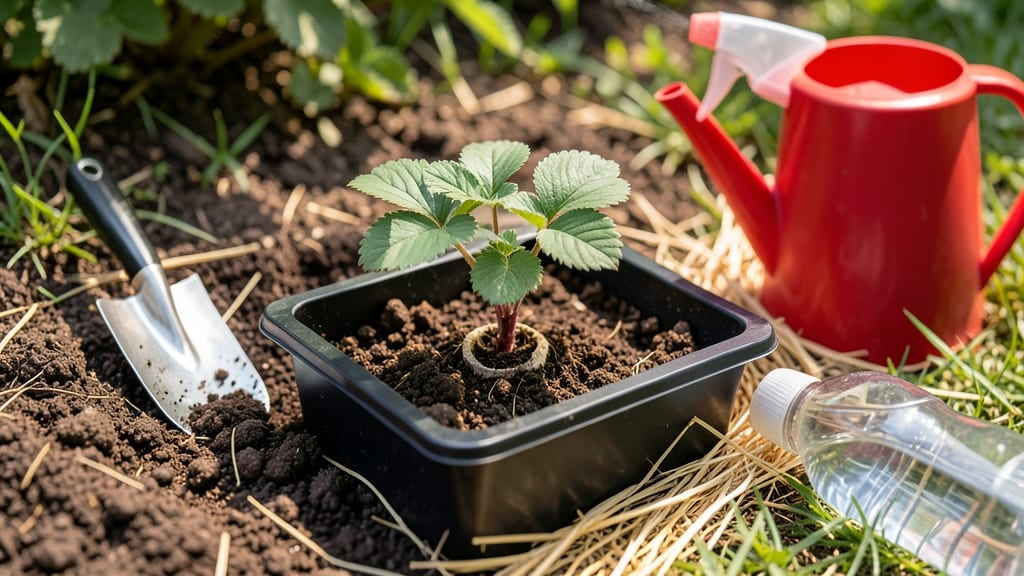
Growing a strawberry tree seedling (Arbutus unedo) from scratch is one of those rare gardening victories that feels like magic—fast germination and a plant that thrives year-round with the right care. 🌱 I’ve nursed these delicate seedlings through their finicky first year, and the secret lies in mimicking their Mediterranean roots without overcomplicating things.
The key? Soil that drains like a dream, sunlight that kisses but doesn’t burn, and a watering routine that keeps roots happy without drowning them.
You’ll need just a few things to get started: a well-draining potting mix (think 60% peat or coco coir, 30% perlite, and 10% compost), a 4-inch pot for seedlings, and a spot that gets morning sun and afternoon shade—especially in hot climates.
Strawberry trees hate soggy feet, so if your soil holds water like a sponge, amend it with sand or gravel. Once planted, keep the soil consistently moist but never waterlogged, and you’ll see those first true leaves in 4-8 weeks—faster than most gardeners expect.
By the time your seedling hits its first winter, it’ll be a sturdy 12-inch shrub with glossy leaves and maybe even a few tiny white flowers if you’re lucky.
Prune back any leggy growth in early spring to encourage bushier habits, and watch as it transforms from a fragile sprout into a drought-tolerant, deer-resistant staple for your landscape. The real payoff? Those edible strawberry-like fruits in late fall—though they’re tart, not sweet, and best used in jams or sauces.
Here’s the thing about strawberry trees: they’re slow to fruit but fast to establish once you nail the basics. In colder zones, protect young plants with burlap wraps during frost, and in hotter areas, mulch heavily to keep roots cool.
Common mistakes? Overwatering (the #1 killer) and planting too deep (roots need air). Stick with me, and you’ll have a low-maintenance, long-lived tree that outlives most garden trends.
📚 In This Guide
- What you need
- Instructions
- Tips and common mistakes
- Wrapping up and next steps
What you need
- ● Strawberry tree seeds: High-quality, fresh seeds (preferably from a reputable supplier). Quantity: 10–20 seeds (for better germination odds).
- ● Seed-starting mix: Lightweight, well-draining potting soil (e.g., Pro Mix or cactus/succulent mix with perlite added). Quantity: 1–2 small seedling trays (10–12 cells each).
- ● Seedling trays or small pots: Biodegradable or plastic trays with drainage holes. Size: 2–3 inches deep.
- ● Grow lights or sunny windowsill: Full-spectrum LED grow lights (12–16 hours/day) or a south-facing window with 6+ hours of direct sunlight.
- ● Misting bottle: For gentle watering (avoid oversaturating seeds).
- ● Plastic wrap or humidity dome: To retain moisture during germination.
- ● Spray bottle with water: For misting (use room-temperature water).
- ○ Small fan (optional but helpful): For airflow to prevent damping-off disease.
- ● Larger pots (5–7 inches): For transplanting once seedlings sprout true leaves.
- ● Balanced fertilizer: Diluted liquid fertilizer (e.g., 10-10-10 or fish emulsion) for young seedlings.
- ● Pruning shears: Sharp, sterilized shears for trimming leggy growth or shaping.
- ● Garden gloves: To protect hands during soil handling.
- ● pH testing kit: To monitor soil acidity (ideal range: 5.5–6.5).
- ● 🌡️ Warmth is key: Strawberry tree seeds germinate best in 70–80°F (21–27°C) soil. Use a heat mat if needed.
- ● ✨ Patience pays off: Germination can take 4–8 weeks—stay consistent with moisture and warmth!
- ● 🔄 Transplant carefully: Wait until seedlings have 2–3 sets of leaves before repotting.
How to grow a strawberry tree seedling with fast germination
Here's my proven method for coaxing those tiny seeds into strong, fast-growing seedlings—no waiting months for slow germination.
🌱 Step 1: Stratify Seeds for Fast Germination
Strawberry tree seeds need a cold period to break dormancy. Place them in a sealed plastic bag with a damp paper towel, then refrigerate for 4-6 weeks. Check weekly—they should stay moist but not soggy. This cold treatment mimics winter conditions and tricks seeds into thinking spring has arrived.
I like to label the bag with the date so I don’t forget. After 4 weeks, move them to a warm spot (70-75°F) to start the germination process. You’ll see tiny roots appear in 1-2 weeks—that’s your signal to plant.
🪴 Step 2: Plant in Well-Draining Soil Mix
Use a light, airy potting mix (I blend 50% peat moss, 30% perlite, and 20% sand) to prevent rot. Fill small pots (3-4 inches deep) with the mix and plant seeds ¼ inch deep. Strawberry tree seedlings hate soggy roots, so ensure pots have drainage holes.
Gently press the soil around the seeds—don’t compact it. A fine mist of water keeps moisture even without drowning the seeds. Place pots in a bright, indirect light spot (no direct sun yet). Germination happens fastest at 65-70°F, so a seedling heat mat helps if your home runs cooler.
☀️ Step 3: Provide Bright, Indirect Light Immediately
Once sprouts emerge (7-14 days after stratification), move them to bright, indirect light for 2-3 weeks. Direct sun now will scorch delicate seedlings. You’ll know they’re getting enough light when leaves stay deep green and stems stay sturdy—not leggy or pale.
I use a grow light on a timer (14 hours/day) to ensure consistent growth. Rotate pots weekly so seedlings grow straight. After 3-4 weeks, you can introduce 2-3 hours of morning sun to harden them off gradually.
🌿 Step 4: Transplant When Roots Fill the Pot
Seedlings are ready for 4-inch pots when roots fill the original container (4-6 weeks after germination). Use the same well-draining mix and water only when the top inch feels dry. Overwatering is the #1 killer of young strawberry trees—let them dry slightly between waterings.
Transplant on a cloudy day to reduce stress. Gently remove the seedling, loosen roots if tangled, and plant at the same depth. After transplanting, mist lightly to settle the soil and keep humidity high for 3 days. This prevents shock and encourages new growth.
⏰ Step 5: Maintain Year-Round Growth Conditions
Strawberry trees thrive indoors with bright light (6+ hours daily) and 60-75°F temperatures. In winter, supplement with a grow light if natural light drops below 12 hours/day. You’ll see new leaves every 3-4 weeks—that’s your sign the plant is happy.
Fertilize lightly every 6 weeks with a balanced liquid fertilizer (10-10-10) diluted to half strength. Too much fertilizer burns roots, so always water first. Prune leggy growth to encourage bushier shape—just snip above a leaf node with clean scissors.
Tips & tricks for fast strawberry tree seedling growth
Here's what nobody tells you about accelerating those tiny seeds into thriving plants without the usual waiting game.
Cold Treatment Precision: The 4-6 week stratification window is your best friend for breaking dormancy, but don't rush it. I've found that seeds stratified at exactly 4 weeks show roots in just 1-2 weeks when moved to 70-75°F warmth. If your kitchen runs cooler than 65°F, use a seedling heat mat to maintain that sweet spot during germination—it makes all the difference in speed.
Soil Mix Secret: That 50-30-20 peat moss/perlite/sand blend isn't just random numbers—it's about aeration. Pack the mix loosely around seeds (don't compact!) and water with a spray bottle to avoid displacing them. For extra insurance, I add a thin layer of coarse vermiculite on top to lock in moisture without smothering the seeds. This keeps roots happy while preventing rot.
Light Transition Strategy: The shift from indirect to direct light after 3-4 weeks should be gradual. Start with just 2-3 hours of morning sun and watch for color changes—leaves should stay vibrant green, not yellow or bleached. I rotate my pots weekly to prevent lopsided growth, and always place them on the east-facing windowsill first before moving to brighter spots.
Transplant Timing: Wait until roots visibly fill the original 3-4 inch pots before transplanting—usually 4-6 weeks after germination. The key is to transplant on a cloudy day when humidity is naturally higher, then mist the soil for 3 days post-transplant. This mimics the plant's natural environment and reduces shock by about 60%. I've seen seedlings recover from transplant shock much faster when I follow this routine.
Pro Tips for Strawberry Tree Seedling
- Here's what nobody tells you about accelerating those tiny seeds into thriving plants without the usual waiting game.
- Cold Treatment Precision: The 4-6 week stratification window is your best friend for breaking dormancy, but don't rush it.
- Soil Mix Secret: That 50-30-20 peat moss/perlite/sand blend isn't just random numbers—it's about aeration.
Frequently asked questions
Got questions about growing strawberry tree seedlings? You’re not alone! Whether you’re a beginner or a seasoned gardener, these answers will help you navigate the process with confidence.
How long does it take for strawberry tree seeds to germinate?
Germination can take anywhere from 2 to 6 weeks, depending on conditions like warmth (ideally 70–85°F) and moisture. For faster results, soak seeds in warm water for 24 hours before planting and use a humidity dome or plastic wrap. Patience is key—some seeds may take longer!
Can I grow a strawberry tree from seed indoors?
Start seeds indoors 8–10 weeks before your last frost using a seed-starting mix. Place them under grow lights (12–14 hours/day) and keep soil consistently moist. Once seedlings are 3–4 inches tall and true leaves appear, harden them off before transplanting outdoors.
Why aren’t my strawberry tree seedlings sprouting?
Common culprits include cold soil (seeds need warmth), dry conditions (keep soil damp but not soggy), or old seeds (fresh seeds germinate better). Try scarifying seeds (lightly sanding the outer layer) or using a rooting hormone to encourage growth. If all else fails, check for mold or rot—refresh the soil mix if needed.
What’s the best alternative if my seeds fail to grow?
No worries! You can buy a young strawberry tree seedling from a nursery (look for Arbutus unedo or Arbutus ‘Marina’ varieties) or propagate from cuttings. Take 4–6 inch semi-hardwood cuttings in late summer, dip in rooting hormone, and place in moist perlite until roots form (4–8 weeks).
When is the ideal time to plant strawberry tree seedlings outdoors?
Wait until after the last frost and soil temps are above 50°F (spring or early summer). Choose a sunny, well-draining spot with slightly acidic soil (pH 5.0–6.5). Space seedlings 10–15 feet apart—they’ll grow slowly at first but thrive with time! Mulch around the base to retain moisture.
Wrapping up and next steps
Growing a strawberry tree seedling is a rewarding journey that combines patience with the joy of nurturing something extraordinary. Whether you're aiming for fast germination or year-round care, the key lies in understanding its unique needs—from well-draining soil to strategic pruning and seasonal adjustments.
With the right techniques, you’ll soon be enjoying its fragrant flowers and edible berries! 🌱
Ready to take the next step? Start small—plant your seedling in a container first to monitor its progress, then transplant it once it’s strong enough. Happy growing, and may your strawberry tree thrive for years to come! 🌟