
Landscaping
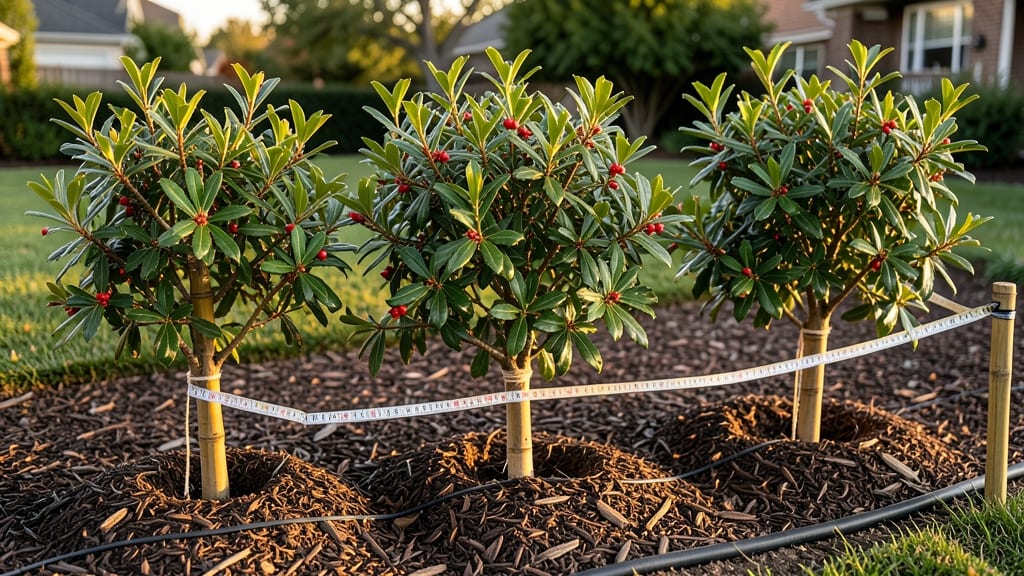
Fast-growing privacy screens transform your yard in just three years. 🌳 I used tree barrier landscaping to block neighbors’ views without sacrificing sunlight or space—now my backyard feels like a secluded retreat.
The right mix of trees creates a living wall that grows taller than most fences while adding value to your home.
This method works for windbreaks, noise reduction, and even erosion control, depending on the species you choose. Fast growers like Leyland cypress or arborvitae reach 10+ feet in 3-5 years, while native trees like bald cypress or willow offer long-term benefits with less maintenance.
The key is proper spacing—6-10 feet apart—so they fill in quickly without overcrowding.
You’ll love the low-maintenance upkeep once established: just annual pruning and watering for the first year. No fences to paint, no chain-link rust, and no gaps for wind or noise to sneak through.
The best part? Your privacy screen will only get better with age, offering shade and wildlife habitat as it matures.
Perfect for urban backyards, rural windbreaks, or property lines where fences feel too permanent. Whether you’re shielding a pool, patio, or just craving privacy, this is the fastest, greenest solution that pays off year after year.
📚 In This Guide
- What you need
- Instructions
- Tips and common mistakes
- Wrapping up and next steps
What you need
- ● Fast-growing tree saplings: 10–20 per 10-foot section (species like Leyland cypress, Thuja Green Giant, or Bamboo for speed).
- ● High-quality soil: 1–2 cubic yards of amended topsoil (mix with compost for nutrients).
- ● Mulch: 2–3 bags of organic mulch (pine bark or wood chips) per 10-foot section.
- ● Tree stakes & ties: 1–2 stakes per sapling (4–6 ft tall, ½-inch diameter).
- ● Watering supplies: Hose with adjustable nozzle or drip irrigation kit.
- ● Shovel & spade (for digging holes).
- ● Measuring tape & string (to mark planting lines).
- ● Garden gloves & knee pads (for comfort).
- ● Wheelbarrow (for hauling soil/mulch).
- ● Pruners (for trimming saplings post-planting).
- ● Fertilizer: Slow-release granular fertilizer (e.g., 10-10-10) for extra growth boosts.
- ● Root stimulator: Mycorrhizal fungi powder to enhance root development.
- ● Erosion control fabric (if planting on a slope).
- ● Decorative edging (stone or metal) to define the barrier.
Step-by-step instructions for creating a fast-growing privacy screen
Here's how I design a living barrier that blocks noise and views in just three years—no waiting decades for slow growers.
🌱 Step 1: Select Fast-Growing Native Species for Your Climate
Choose plants that mature at 10-15 feet tall within 3 years and thrive in your USDA hardiness zone. I recommend Leyland cypress (zone 6-10) for coastal areas, Green Giant arborvitae (zone 3-8) for northern climates, or Bamboo (zone 5-11) if you want a non-woody option. Check local regulations first—some areas restrict bamboo due to its invasive nature.
Look for 1-2 year old nursery-grown plants with established root systems. These establish faster than seeds or small seedlings. I always inspect the root ball for circling roots—if you see them, gently loosen the roots before planting. This prevents girdling as the plant matures.
🪴 Step 2: Plan the Layout for Maximum Density
For a 4-foot tall barrier in 3 years, space plants 4-6 feet apart in rows. For taller barriers (up to 10 feet), reduce spacing to 3-4 feet. I sketch the layout on graph paper first, marking property lines and existing structures. This prevents planting too close to foundations or sidewalks where roots could cause damage.
Dig planting holes twice as wide as the root ball but only as deep as the container. Loosen the sides of the hole with a shovel to encourage root spread. The top of the root ball should sit 1-2 inches above ground level—this prevents water pooling around the base and potential rot.
☀️ Step 3: Plant and Mulch for Rapid Establishment
Remove the plant from its container and place it in the hole. Fill around the root ball with native soil mixed with compost (I use a 50/50 blend). Water deeply to settle the soil, then add 2-3 inches of wood chip mulch over the root zone. Keep mulch 6 inches away from the trunk to prevent moisture buildup.
Water deeply every 2-3 days for the first month until the plants show new growth. You'll know they're establishing when you see bright green needles or leaves (not the dull color of stressed plants). Avoid overhead watering—it can spread fungal diseases. Instead, use a soaker hose or drip irrigation system.
✂️ Step 4: Maintain for Year-Round Growth
Fertilize once in early spring with a balanced 10-10-10 fertilizer at half-strength. Over-fertilizing causes rapid but weak growth. Prune once a year in late winter to remove dead or crossing branches. I use clean, sharp shears to make cuts just above a bud or lateral branch.
Monitor for pests like spider mites or bagworms—they love fast-growing evergreens. Treat infestations immediately with neem oil or insecticidal soap to prevent spread. In drought-prone areas, water once a week during dry spells, but never let the soil stay soggy. The goal is consistent moisture, not saturation.
⏰ Step 5: Assess and Adjust for Full Privacy
After 1 year, evaluate growth. If plants are sparse, add a second row of smaller, faster-growing species like Emerald Green arborvitae (zone 4-8) between the first row. This fills gaps quickly. For faster height, prune the tops of the tallest plants in early summer—this encourages bushier growth lower down.
By year 3, your barrier should reach 8-10 feet tall with minimal gaps. If not, consider adding climbing vines like star jasmine (zone 7-10) or clematis (zone 3-9) to fill in. These grow quickly and provide extra privacy while the trees mature. The key is patience and consistency—your hard work will pay off with a lush, living screen.
Tips & tricks for perfect tree barrier landscaping
Here's what nobody tells you about creating a living privacy barrier that actually delivers in three years.
Species Selection: The 3-year timeline hinges on choosing the right plants. Leyland cypress and Green Giant arborvitae are proven performers, but verify local regulations before planting bamboo—some areas ban it due to invasive tendencies. I always check the USDA hardiness zone map to ensure the species I select will thrive in my climate without requiring extra care. This single decision determines whether your barrier reaches 10-15 feet in the promised timeframe.
Root System Inspection: Don't overlook the root ball when selecting nursery plants. Circling roots are a red flag—they'll strangle your plant as it grows. I've seen this ruin otherwise perfect plantings. Take an extra minute to gently separate any circling roots before planting. This small step prevents years of stunted growth and ensures your plants establish quickly in their first season.
Planting Depth: Positioning the root ball correctly is crucial. The top should sit 1-2 inches above ground level, not flush or buried. Too deep causes rot, too high exposes roots to drying. I use a level to verify this—it's worth the few extra minutes. Proper depth ensures consistent moisture and prevents the common issue of plants struggling to establish.
Watering Strategy: The first month is critical for root establishment. Watering deeply every 2-3 days prevents shallow roots that dry out quickly. I've learned the hard way that overhead watering spreads fungal diseases—always use a soaker hose or drip irrigation. Watch for bright green needles or leaves as your signal that the plants are thriving and establishing properly.
Pro Tips for Tree Barrier Landscaping
- Here's what nobody tells you about creating a living privacy barrier that actually delivers in three years.
- Species Selection: The 3-year timeline hinges on choosing the right plants.
- Root System Inspection: Don't overlook the root ball when selecting nursery plants.
Frequently asked questions
Got questions about tree barrier landscaping?
Here are the most common ones—and their answers—to help you plan with confidence!
What’s the fastest-growing tree species for a privacy screen?
For quick results, opt for Leyland Cypress (grows 3–4 feet per year) or Thuja Green Giant (2–3 feet annually). Bamboo (if non-invasive varieties are planted) and Paulownia (fastest at 10–15 feet/year) are also top contenders. Always check local climate suitability!
How long does it take for a tree barrier to become fully private?
With fast-growing species, you’ll see noticeable privacy in 2–3 years, but full maturity (dense foliage) usually takes 3–5 years. Pro tip: Plant in staggered rows (e.g., 1-year, 2-year, and 3-year-old trees) to create an instant screen while filling gaps over time.
Is tree barrier landscaping cheaper than a fence or hedge?
Upfront costs vary, but trees are long-term savings—no fencing materials, fewer replacements, and added property value. A 6-foot fence may cost $15–$30/linear foot, while trees run $50–$150 each (but require less maintenance). Bonus: Trees improve air quality and curb appeal!
Can I use shrubs instead of trees for a barrier?
Shrubs like Holly, Boxwood, or Privet work well for shorter barriers (3–6 feet). For height, layer shrubs with trees (e.g., Arborvitae + Dwarf Fountain Grass). Warning: Shrubs need pruning 2–3x/year, while trees require minimal upkeep after establishment.
Will pests or diseases ruin my tree barrier?
Most fast-growing trees are resilient, but aphids, spider mites, or root rot can occur. Preventative tips:
- Choose disease-resistant varieties (e.g., Emerald Green Arborvitae).
- Space trees 4–6 feet apart for airflow.
- Mulch to retain moisture (but avoid piling against trunks).
- Inspect annually for early signs (yellowing leaves, holes).
Pest control sprays or neem oil can treat minor issues.
Are there cold-hardy options for northern climates?
Yes! For zones 3–5, try Colorado Blue Spruce (hardy to -40°F), Eastern White Pine, or Amur Maple. Thuja occidentalis (Western Red Cedar) thrives in cooler areas too. Pro move: Plant in late fall for root establishment before winter.
Wrapping up and next steps
Transforming your outdoor space with tree barrier landscaping is a rewarding project that delivers both beauty and privacy in just a few years! Fast-growing species like bamboo, willow, or Leyland cypress offer a lush, natural screen that enhances curb appeal while keeping noise and wind at bay.
Whether you’re aiming for a serene backyard retreat or a stylish property boundary, the key is planning—selecting the right trees, spacing them correctly, and maintaining them for long-term success.
Ready to get started? Sketch your design, gather supplies, and plant your first row today! With patience and care, you’ll soon enjoy the privacy and tranquility of a thriving green barrier. 🌿✨