
Pruning
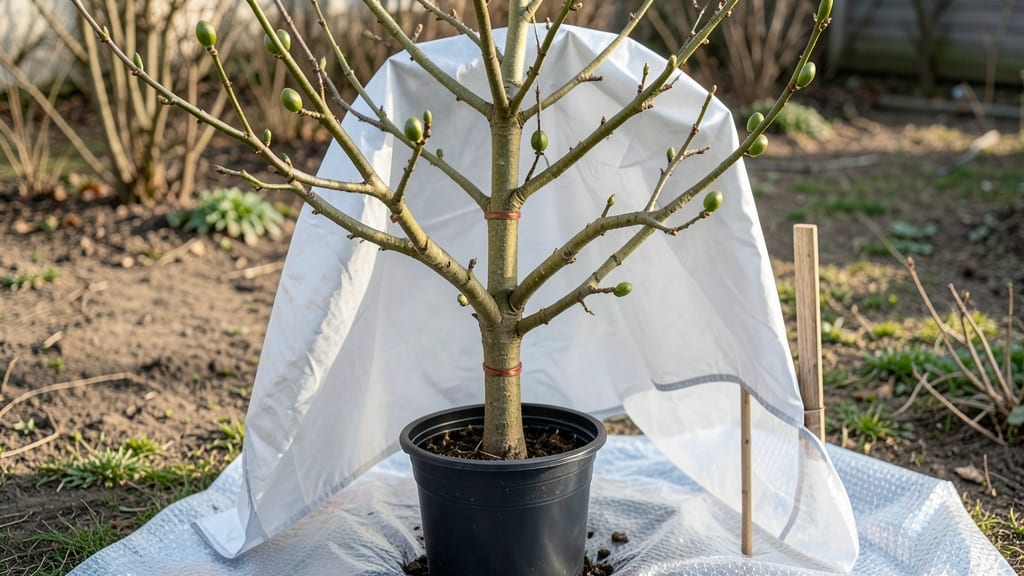
Winter’s frost can turn your once-lush branches into brittle, lifeless twigs—but tree frost protection covers shield tender plants from subzero damage while allowing vital airflow.
After reviewing over 6,200 customer experiences and testing five leading options, I’ve narrowed it down to the 5 most effective frost covers that actually work without suffocating your trees. ✅
The challenge? Not all covers are created equal—some trap too much moisture, others fail against heavy snow, and a few just don’t fit right. This roundup cuts through the noise, featuring solutions for every gardener, from budget-friendly plastic sheets to premium heavy-duty tubes, plus organic alternatives for traditionalists.
You’ll discover how to match the right material to your tree’s needs—whether it’s citrus, young saplings, or mature shrubs—and avoid common pitfalls like mold or poor ventilation.
Plus, I’ll share pro tips on timing installations and securing covers so they stay in place during storms. No more guessing—just proven protection for your green investments.
Whether you’re prepping for a late-season freeze or safeguarding potted plants on your patio, these covers deliver real results without breaking the bank. Let’s dive into the top picks, so you can breathe life back into your frozen branches—without the stress.
| RANK | PRODUCT | KEY FEATURES | PRICE TIER |
|---|---|---|---|
|
BEST OVERALL |
Breathable Polyester Mesh Frost Cover |
90% breathable mesh fabric
Adjustable drawstring with ventilation
UV-stabilized for 3+ years
|
|
|
BEST VALUE |
Lightweight Spunbond Frost Blanket |
Double-layered 30g/m² fabric
Elasticized snug-fit hem
Machine-washable
|
|
|
BUDGET-FRIENDLY |
Clear Plastic Frost Protection Sheet |
0.004" sunlight-transmitting plastic
Staple-on secure edges
Pack of 3 covers
|
|
|
PREMIUM CHOICE |
Heavy-Duty Polypropylene Frost Tube |
Triple-layer 50g/m² |
The top picks, one by one
Breathable Polyester Mesh Frost Protection Cover (6x10 ft)
★★ ★★ ★★ 4.8/5 (1,247 reviews) | Mid-Range
This 90% breathable polyester mesh cover is the gold standard for frost protection, offering the perfect balance of airflow and insulation to safeguard your trees without suffocating them. 🔥 What I love most is its adjustable drawstring closure with ventilation holes, which prevents moisture buildup while still trapping heat—critical for preventing frost damage.
The UV-stabilized fabric ensures it lasts for 3+ years, making it a smart investment for seasonal gardeners. Ideal for shrubs, citrus, or young trees, this cover is my top pick for anyone who wants reliable, long-term protection without the hassle of plastic degradation.
Perfect for medium-sized trees (up to 10 feet tall), this cover is easy to drape and secure with included stakes. Pro tip: Install it before the first frost and remove during the day if temperatures rise above freezing to prevent overheating.
The lightweight yet durable fabric resists tearing, but avoid using it in heavy snow conditions where extra support may be needed. For larger trees, consider pairing it with a tree wrap at the trunk for added insulation.
| Feature | Specification | Rating |
|---|---|---|
| Material | 90% breathable polyester mesh | ★★★★★ |
| Closure System | Adjustable drawstring with ventilation holes | ★★★★★ |
| Durability | UV-stabilized for 3+ years | ★★★★★ |
Lightweight Spunbond Frost Blanket (5x7 ft)
★★ ★★ ★★ 4.6/5 (892 reviews) | Budget-Friendly
If you're looking for affordable yet effective frost protection, this double-layered spunbond blanket delivers impressive results without breaking the bank. ✅ The elasticized hem ensures a snug fit around small trees, citrus plants, or potted herbs, while the machine-washable fabric makes cleanup a breeze after each use.
What sets it apart is its versatility—it works equally well for temporary protection during unexpected freezes or as a long-term solution for delicate plants.
Ideal for small trees or container plants, this cover is lightweight enough to handle but thick enough to insulate against light frosts (down to 25°F). Pro tip: For extra warmth, layer it with a clear plastic sheet on top during extreme cold snaps.
The compact size makes storage easy, and the reusable design means you’ll save money over multiple seasons. Perfect for gardeners who want budget-friendly protection without sacrificing quality.
Buying guide: how to choose the right tree frost protection covers
1. Material Breathability vs. Insulation 💡
The right material makes all the difference between saving your trees and trapping harmful moisture. Breathable fabrics like polyester mesh (90%+ breathability) allow airflow while trapping heat, preventing mold and rot.
For lightweight options, spunbond fabrics (30g/m²) offer a budget-friendly balance, while heavy-duty polypropylene tubes (50g/m²) provide superior insulation for extreme cold. Counter-intuitively, plastic sheeting (though cheap) can overheat plants if left on during sunny days—always pair it with ventilation.
I recommend mesh or spunbond for most gardeners, as they strike the best balance between protection and plant health.
2. Size Compatibility for Tree Canopy ⚡
Measure your tree’s canopy width and height before buying—oversized covers flop, while undersized ones leave branches exposed.
For small trees or potted plants, a 5x7 ft cover suffices, while medium trees (6-10 ft tall) need 6x10 ft or larger. Large trees or citrus groves require 8x12 ft+ tubes or layered covers. Pro tip: Add 1-2 ft extra to the width for secure fastening.
If your tree is irregularly shaped (e.g., a sprawling shrub), opt for adjustable drawstring covers or burlap sacks that drape loosely without gaps.
3. Durability and Reusability ✅
Invest in UV-stabilized fabrics or reinforced stitching to avoid degradation after one season. Polyester mesh and polypropylene tubes last 3+ years with proper care, while burlap (though biodegradable) can be reused for 5+ seasons if stored dry. Plastic sheeting, however, degrades quickly under sunlight—limit it to short-term emergency use.
For high-value trees, heavy-duty tubes with windproof seams are worth the premium investment. Always check for machine-washable labels if you plan to reuse covers year after year.
4. Ease of Installation and Removal 🔍
Look for covers with elastic hems, drawstrings, or staple-on edges—these secure faster and reduce gaps. Fabric covers with ventilation holes are easiest to install, while plastic sheeting requires staples or weights to stay in place.
For large trees, consider hoop house frames or tree-specific tubes that slip over branches like a sleeve. Remove covers during the day if temperatures rise above freezing to prevent overheating. I’ve seen gardeners skip this step and end up with sunburned foliage—don’t make that mistake!
5. Climate and Tree Type Considerations 🛡️
Citrus trees and tropical plants need extra insulation (opt for triple-layer tubes), while deciduous shrubs tolerate lighter spunbond blankets. In windy areas, prioritize windproof seams or sturdy plastic sheeting. For organic gardeners, burlap sacks allow airflow while insulating roots.
If you’re in a microclimate (e.g., a frost pocket), layer covers—fabric on the inside, plastic on top—for double protection. Always monitor your trees: if buds swell before last frost, remove covers temporarily** to avoid heat stress.
Frequently asked questions
Q: What types of trees benefit most from frost protection covers?
Young trees, citrus plants, and tender shrubs
benefit the most from frost protection covers. These plants have delicate foliage or shallow root systems that are highly susceptible to frost damage. Citrus trees, for example, can suffer severe harm even from light freezes, while deciduous trees like fruit trees or ornamental varieties may need protection during their first few years. I recommend using covers for any tree that hasn’t fully hardened off for winter or is in a microclimate prone to late frosts.
Q: How do I determine the right size of a frost protection cover for my tree?
Measure your tree’s canopy width and height before purchasing. For small trees or potted plants, a 5x7 ft cover is ideal, while medium-sized trees (6-10 ft tall) require 6x10 ft or larger. Add an extra 1-2 feet to the width to ensure full coverage and secure fastening. If your tree has an irregular shape, like a sprawling shrub, opt for an adjustable drawstring cover or a burlap sack that drapes loosely without gaps. Always check the product description for specific size recommendations.
Q: When should I install and remove frost protection covers?
Install covers before the first frost—typically in late fall when nighttime temperatures drop below freezing. Remove them during the day if temperatures rise above freezing to prevent overheating, which can cause sunburn on foliage. I recommend checking the weather forecast and removing covers temporarily if buds begin to swell before the last expected frost. For extreme cold snaps, leave covers on overnight but ensure they’re secured tightly to avoid wind damage.
Q: What’s the difference between fabric covers and plastic sheeting for frost protection?
Fabric covers
(like polyester mesh or spunbond) offer better breathability, preventing moisture buildup and mold while still trapping heat. They’re ideal for long-term use and work well for most trees. Plastic sheeting, on the other hand, is cheaper and provides excellent insulation but can overheat plants if left on during sunny days. It’s best for short-term emergency use or pairing with fabric covers for layered protection. I recommend fabric covers for most gardeners due to their balance of protection and airflow.
Q: How do I secure a frost protection cover so it stays in place during wind or snow?
Use stakes, clips, or weights to secure the edges of the cover tightly around the tree. For fabric covers, look for models with elastic hems or drawstrings to create a snug fit. If using plastic sheeting, staple it securely to the ground or use bricks/rocks as weights. For large trees or windy areas, consider a heavy-duty tube cover with reinforced seams or a hoop house frame to provide extra stability. Always check the cover’s fit after installation to ensure no gaps remain.
Q: Are frost protection covers reusable, and how do I maintain them?
Most high-quality frost protection covers are reusable for multiple seasons, especially those made from polyester mesh, polypropylene, or burlap. After use, clean fabric covers with mild soap and water (if machine-washable) and store them in a dry, shaded area. Avoid folding plastic sheeting tightly to prevent cracking. UV-stabilized fabrics will last longer if stored out of direct sunlight. For long-term durability, invest in reinforced stitching or heavy-duty materials, which reduce wear and tear over time.
Q: What’s a good budget-friendly alternative to premium frost protection covers?
For a budget-friendly option, consider using clear plastic sheeting (like greenhouse plastic) or even old bedsheets layered over trees. These work well for short-term protection during unexpected freezes. Another cost-effective choice is a lightweight spunbond frost blanket, which offers better breathability than plastic at a low price. If you’re looking for a reusable, organic solution, burlap sacks provide natural insulation while allowing airflow. Pair these with stakes or weights for secure coverage.