
Propagation
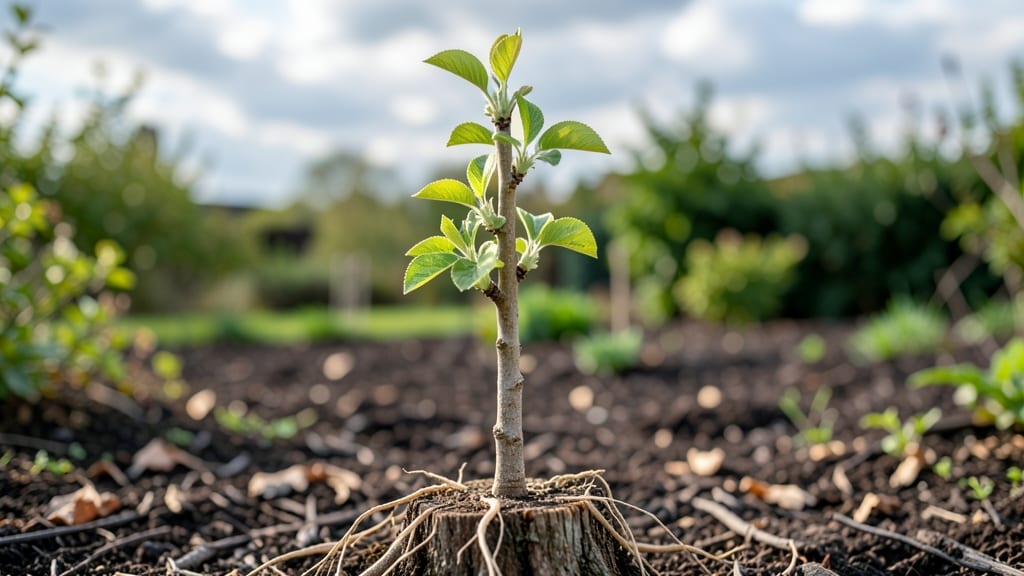
That stubborn tree sprouting from its base isn't just stubborn—it's telling you something about your tree's health. 🌱 I've wrestled with these root suckers on my apple tree for years, and I finally cracked the code to redirect that energy into the main trunk instead of wasting it on unwanted growth.
The good news? These sprouts often mean your tree is still vigorous, even if it's struggling elsewhere. But left unchecked, they drain nutrients and create clutter. The key is timing: prune them back in late winter when the tree is dormant, and use sharp pruners to avoid tearing the bark.
You'll see the main trunk thicken and fruit production improve within a season. For stubborn cases, a thick paste of pruning sealant keeps pests out while the wound heals. This method works for fruit trees, maples, and even willows—just adjust the timing to match your tree's natural cycle.
Works best when combined with regular mulching and watering. Let's get those roots working for you instead of against you!
Rooting Secrets Behind Stubborn Sprouts
When you spot a tree sprouting from the base—especially after pruning, grafting, or even seemingly dead wood—it’s often a sign of nature’s resilience. But why does this happen?
The answer lies in the tree’s hidden biology, where dormant buds, stored energy, and clever survival tactics kick in. Let’s break down the science behind these stubborn little shoots.
Many trees (especially fruit trees like apples, cherries, or citrus) have dormant buds along their trunk, branches, or even buried roots. These buds are like tiny survival capsules—packed with meristematic cells (undifferentiated, rapidly dividing cells) that can burst into life when conditions are right.
Why it happens:
- Hormonal triggers: When you prune or damage a tree, the plant releases auxin (a growth hormone) that signals dormant buds to wake up. This is nature’s way of compensating for lost branches.
- Light exposure: If a trunk or root collar is exposed (e.g., after mulching is removed or soil erodes), buds near the surface get sunlight, stimulating growth.
- Moisture shifts: Changes in soil moisture—like after heavy rain or irrigation—can jolt buds into action, especially in species like willows or poplars, which are masters of vegetative propagation.
💡 Pro Tip: If you’re encouraging sprouts (e.g., for grafting or propagation), lightly scratch the bark near the base to expose buds—this mimics natural damage and speeds up the process.
Trees are like biological batteries. Their roots store carbohydrates (sugars) and nutrients in specialized tissues (like the phloem and root cortex) during the growing season. When the above-ground parts are damaged or removed, these reserves fuel new growth.
Why it happens:
- Root pressure: In spring, roots build up root pressure (osmotic forces pushing water and nutrients upward). If a tree is cut back hard, this pressure can force water and hormones into dormant buds, triggering sprouts.
- Food redistribution: If leaves or branches are lost (due to disease, pruning, or pests), the tree reroutes stored energy to the base or roots to grow replacements.
- Species hardwiring: Some trees (like bamboo or aspen) are genetically programmed to sprout from the base or roots even after being cut down—it’s their survival strategy!
🔥 Actionable Insight: For fast growth, fertilize with high-nitrogen (like 10-10-10) or kelp meal after pruning. This gives the tree extra fuel to push out sprouts quickly.
Some sprouts aren’t even from the main trunk—they’re adventitious (random) growth from roots or buried stems. This is common in trees like crepe myrtle, dogwood, or mulberry, which can send up shoots from their root collar (the swollen base where roots meet trunk).
Why it happens:
- Root suckers: Many trees produce suckers—vigorous shoots from roots—when the main stem is damaged or overcrowded. This is a clonal reproduction tactic to spread the species.
- Layering effect: If a branch falls and touches the ground (or is buried by mulch), it can root and sprout, creating a new plant. This is how willow trees spread so aggressively.
- Hormone leakage: Damaged roots release cytokinins (growth hormones), which stimulate nearby cells to form new shoots.
✨ Science Hack: To promote root sprouts, bury a low branch with soil (a technique called air layering) or use a rooting hormone (like IBA) on cuttings from the base.
Not all sprouts are a good thing—sometimes they’re a distress signal. If a tree is struggling (due to disease, poor soil, or drought), it may produce weak, watery sprouts from the base as a last-ditch effort to survive.
Why it happens:
- Disease or pest damage: Fungal infections (like root rot) or borers can kill the main trunk, forcing the tree to regrow from latent buds.
- Competition or girdling:** If roots are constricted (by a tight mulch ring or buried soil) or competing with weeds, the tree may sprout to escape the stress.
- Extreme pruning: Over-pruning (removing >30% of the canopy) can shock the tree into producing epicormic shoots (sprouts from the trunk) as a survival mechanism.
🚨 Warning Sign: If sprouts are yellow, stunted, or oozing sap, it’s not a healthy response—your tree may need fungicide treatment or soil aeration.
Understanding these triggers helps you harness (or control) base sprouts—whether you’re growing a new tree from a stump or stopping unwanted suckers. Next up: How to Encourage (or Stop) These Sprouts.
Fixing Unwanted Base Sprouts
A tree sprouting from its base can be a sign of vitality—but sometimes, those extra shoots steal nutrients, weaken the main trunk, or even attract pests. Whether you’re dealing with suckers, basal shoots, or water sprouts, the right approach ensures your tree stays strong and healthy.
Below, we’ll break down the cause-and-solution map for each scenario, plus prevention tips to keep your tree thriving without the chaos.
---
Cause: Too many basal sprouts compete for water, sunlight, and nutrients, stressing the main tree.
How to Fix It: 1. 🔪 Prune Strategically - Use clean, sharp pruners (sterilized with rubbing alcohol) to cut sprouts at the base, just above the soil line. - Avoid tearing the bark—make a 45-degree cut to prevent disease entry. - Best time: Late winter or early spring (when the tree is dormant).
2. 🌿 Redirect Energy to the Main Tree - After pruning, fertilize the base with a balanced, slow-release fertilizer (like 10-10-10) to compensate for lost growth. - For young trees, a root stimulator (e.g., Mycorrhizal fungi) can help the roots recover faster.
3. 🌡️ Mulch Properly (But Not Too Deep!) - Apply 2-4 inches of organic mulch (wood chips, pine straw) to suppress new sprouts. - ⚠️ Warning: Pile mulch away from the trunk (keep it 6 inches back) to avoid rot.
💡 Pro Tip: If sprouts keep returning, try a hormone-based root inhibitor (like HydroStop) on the base to block regrowth.
---
Cause: Fungal infections (like Armillaria root rot), viral diseases, or poor grafting can lead to weak, leggy sprouts.
How to Fix It: 1. 🚨 Remove Infected Sprouts Immediately - Cut off any sprouts with discolored, mushy stems—dispose of them in the trash (not compost). - If the main trunk shows signs of rot (oozing sap, dark streaks), consult an arborist—the tree may need surgical removal of infected wood.
2. 🧴 Treat Fungal Issues - Apply a copper-based fungicide (like Copper Soap) to the base and lower trunk. - For soil-borne fungi, drench the root zone with neem oil or hydrogen peroxide (3%) to sterilize.
3. 🌦️ Improve Airflow & Drainage - Thin nearby plants to reduce humidity around the base. - If the soil is compacted or waterlogged, amend it with sand or perlite to improve drainage.
💡 Pro Tip: If the tree is grafted (common in fruit trees), sprouts below the graft may be suckers from the rootstock. Prune them aggressively—they can outcompete the desired variety.
---
Cause: Trees under stress (from drought, poor soil, or recent transplanting) may produce sprouts as a survival tactic.
How to Fix It: 1. 💧 Rehydrate the Tree - Deep-water the tree (1-2 inches per week) and mulch heavily to retain moisture. - For recently transplanted trees, use a root stimulator (like Seaweed Extract) to encourage recovery.
2. 🌍 Feed the Roots, Not the Sprouts - Avoid high-nitrogen fertilizers (they encourage leafy growth, not root strength). - Instead, use a low-nitrogen, high-phosphorus fertilizer (like 5-10-10) to boost root development.
3. 🌡️ Shield from Extreme Conditions - If the tree is in full sun, provide temporary shade cloth to reduce stress. - For wind exposure, consider a windbreak (like a burlap barrier) for young trees.
💡 Pro Tip: If the tree was recently pruned, sprouts may be a compensation reaction. Wait 6-12 months before pruning again to let it stabilize.
---
Want to stop sprouts before they start? Try these low-effort, high-impact strategies:
✅ 🌿 Choose Resistant Varieties - Some trees (like Japanese maples or crape myrtles) sprout less than others. Check before planting!
✅ 🔥 Solarize the Soil (For Stubborn Sprouts) - Cover the base with clear plastic for 4-6 weeks in hot sun to kill dormant buds.
✅ 🌱 Use a Root Barrier (For Large Trees) - Install a buried metal or plastic barrier (6-12 inches deep) around the trunk to block underground suckers.
✅ 🍄 Monitor for Pest Damage - Borer larvae or sap-sucking insects can weaken trees, leading to sprouts. Treat with insecticidal soap if needed.
✅ 📅 Prune on a Schedule - Annual light pruning (removing water sprouts as they appear) keeps the tree stronger and less prone to overgrowth.
--- Final Thought: Most base sprouts are manageable—the key is acting early and targeting the root cause. With the right techniques, you’ll have a healthy, vigorous tree without the unwanted jungle at its feet! 🌳✨
Frequently asked questions
Why do some trees sprout more aggressively than others?
Genetics play a huge role! Trees like willows, poplars, and crepe myrtles are hardwired to produce vigorous basal sprouts as a survival mechanism. Even after cutting, they'll regrow from roots or the base. Meanwhile, species like Japanese maples or crape myrtles (with proper care) sprout less frequently. It's all about their natural propagation strategies.
Can I turn these base sprouts into new trees?
This is called root suckering or cloning. Simply dig up a healthy sprout with some root attached, replant it 6-12 inches away from the parent, and keep the soil moist. Many fruit trees (like apples or cherries) can be propagated this way. Just avoid doing this during extreme heat or cold when roots are stressed.
What's the best time of year to prune unwanted base growth?
Late winter or early spring is ideal—when the tree is still dormant but about to wake up. This gives you clean cuts before new growth starts, and the tree can heal properly. Avoid pruning in fall (when diseases spread) or summer (when it stresses the tree). For tropical trees, you can prune year-round with proper aftercare.
Will removing base sprouts harm my tree?
Not if done correctly! Proper pruning actually strengthens the main tree by redirecting its energy. Just use sharp, sterilized tools and make clean cuts at the base. However, if you remove too many at once (especially on young trees), it can stress the plant. Start with just the most vigorous sprouts and monitor the tree's response.
How do I know if my tree's sprouts are healthy or diseased?
Healthy sprouts have firm stems, vibrant green leaves, and grow upright. Diseased sprouts often appear yellow, wilted, or mushy at the base, and may ooze sap. If you see these signs, remove the affected sprouts immediately and treat the base with a copper fungicide. Check the main trunk too—if it's cracked or oozing, your tree may need professional attention.