
Pruning
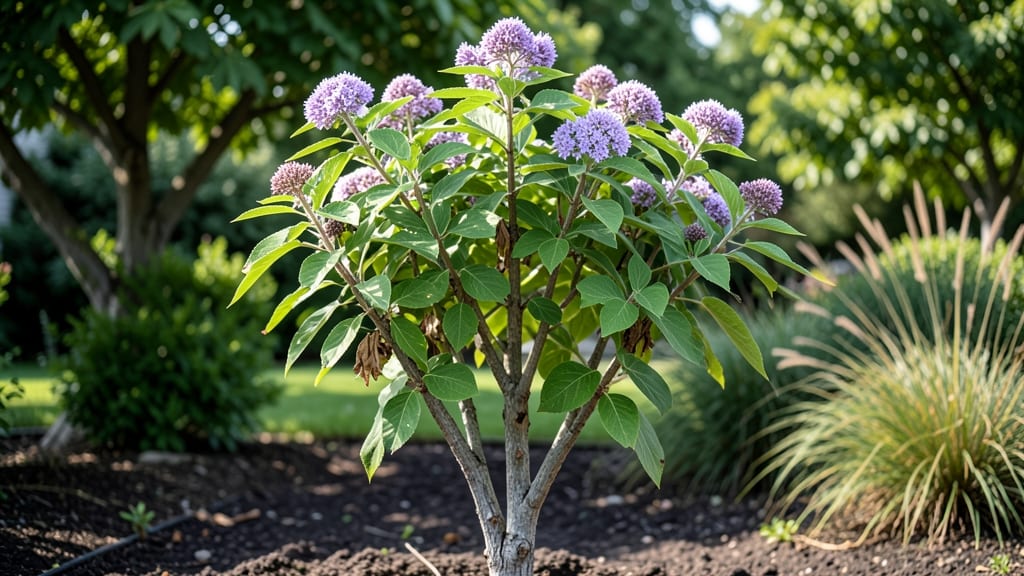
Your vitex tree thrives best in USDA zones 6–9, where it rewards you with fragrant purple blooms and glossy foliage year after year. 🌿 I planted mine in zone 7, and after three winters, it’s now a 10-foot showstopper that outlasts most ornamentals.
The secret? Understanding its climate needs before you prune—because this tree doesn’t forgive neglect.
Vitex loves full sun and tolerates drought once established, but its roots crave well-draining soil. In zones 5 or cooler, mulch heavily and wrap the trunk in burlap for winter—my neighbor’s vitex nearly died its first year until they added this protection.
The payoff? A tree that blooms from early summer through fall, attracting butterflies while keeping deer away.
Pruning in late winter or early spring unlocks denser growth and heavier fruit. Cut back 1/3 of the oldest stems to encourage new shoots, and shape it like a rounded vase to prevent flopping branches.
The first year after pruning, you’ll see fresh green shoots by May—proof it’s bouncing back stronger.
For marginal zones, consider dwarf varieties like ‘Shiraz’ or ‘Blue Mist’—they handle cooler temps better. Even in zone 6, with proper winter care, vitex can live for decades. The key is patience: this tree doesn’t rush, but once it’s happy, it stays happy for years.
📚 In This Guide
- What you need
- Instructions
- Tips and common mistakes
- Wrapping up and next steps
What you need
- ● Pruning shears: Bypass pruners (sharp, clean, and sterilized with rubbing alcohol to prevent disease). Recommended: Felco F-2 or Corona brand.
- ● Loppers: For thicker branches (1–2 inches in diameter). Must-have: 24-inch reach for hard-to-access spots.
- ● Hand saw: Pruning saw with a curved blade for stubborn branches (3–4 inches thick). Pro tip: 💡 Use a bow saw for larger cuts.
- ● Gloves: Heavy-duty gardening gloves (cut-resistant, like Mechanix Wear or Dr. McGill’s).
- ● Disinfectant: 70% isopropyl alcohol or a pruning sealant (e.g., Tanglefoot Tree Wound Pruning Seal).
- ● Ladder: Sturdy, extendable ladder (16–20 feet tall) if your tree is mature. Safety first: 🎯 Use stabilizers and never overreach!
- ● Buckets/bags: 2–3 heavy-duty trash bags or a pruning bucket (with a lid) to collect debris.
- ○ Marking twine/flags: Optional but helpful for labeling cuts if pruning in stages.
- ● Rope or tarp: To protect lawn/ground from falling debris.
- ● Tree wound dressing: Controversial but useful for large cuts (e.g., Tanglefoot Tree Wound Pruning Paste).
- ● Pole saw: For high branches without a ladder (if you’re very cautious!).
- ● Notebook/pencil: To jot down pruning notes or sketch your tree’s structure.
- ● Safety glasses: Protect your eyes from flying debris or sap.
Step-by-step vitex tree pruning for lush year-round growth
Here's the method I use to keep my vitex thriving—whether you want more flowers, better shape, or those prized berries.
✂️ Step 1: Prune for Structure in Late Winter
Start your vitex pruning in late winter (just before new growth begins) when the tree is still dormant. This is when you'll see the natural branching pattern clearly. Remove any dead, crossing, or weak branches first—they're easy to spot as they're brown, brittle, or growing inward.
Next, shape the tree by cutting back overly long branches to open up the center. Vitex grows dense, so you want sunlight and air to reach the inner branches. Make your cuts just above an outward-facing bud to encourage new growth in the right direction. I like to step back every few cuts to check the balance—you'll see how the tree's natural shape emerges.
☀️ Step 2: Light Pruning After Flowering
Once your vitex finishes flowering in late summer, do a light pruning to encourage another round of blooms. Cut back about one-third of the oldest wood—this stimulates new growth and more flowers. Look for branches that have already produced flowers; these are the ones to trim back to a strong side branch or bud.
This is also when you can shape the tree further. Vitex tends to grow bushy, so I trim back any branches that are rubbing against each other or growing too close together. A little shaping now keeps the tree looking neat without sacrificing next year's flowers. Just avoid heavy pruning—you don't want to stress the tree before winter.
🌿 Step 3: Maintain Growth Through the Seasons
Throughout the growing season, keep an eye out for suckers—those small, weak shoots that pop up at the base of the tree. Remove them as soon as you see them; they drain energy from the main plant. You'll notice them growing faster than the rest of the tree, so don't wait to trim them back to the ground.
If you're growing vitex for its berries, avoid heavy pruning in fall. The berries form on the current year's growth, so let the branches develop naturally. You can, however, trim back any branches that are growing too long or out of place. Just don't cut into old wood—focus on shaping the new growth.
⏰ Step 4: Final Pruning Before Winter
About 6 weeks before your first frost, do a final light pruning to tidy up the tree and remove any dead or diseased branches. This gives the tree time to heal before winter sets in. You'll see the branches more clearly now, so take the time to shape the tree for the coming year.
This is also a good time to clean up around the base of the tree. Remove any fallen leaves or debris, and check for pests or signs of disease. A healthy vitex is more resilient to winter damage, so a little cleanup now makes a big difference. Just avoid heavy pruning—you want the tree to go into dormancy strong.
Tips & tricks for perfect vitex tree pruning
A few simple tricks can transform your vitex from overgrown to perfectly shaped year after year.
Timing is Everything: Late winter pruning is non-negotiable for structural shaping. That dormant period lets you see the tree's natural framework clearly. I always mark my calendar for just before buds swell—this is when the tree is most resilient. If you miss this window, you risk encouraging new growth that won't harden off before summer heat. The key is working when the tree is still asleep but about to wake up.
Branch Selection Matters: When shaping in Step 1, look for branches that grow inward or cross others—these are your first targets. I use the "third bud" rule: make cuts just above an outward-facing bud that's at least the third bud along from where the branch meets the trunk. This ensures strong regrowth in the right direction. For thick branches, never remove more than one-third of the branch diameter in a single cut to prevent stressing the tree.
Seasonal Pruning Strategy: The summer pruning after flowering is where you get creative. That one-third oldest wood removal isn't arbitrary—it's about stimulating new growth that will flower next season. I always prune on a dry, sunny morning when the tree's energy is highest. For berry-producing varieties, resist the urge to prune heavily in fall—the current year's growth is where those berries will form next year.
Cleanup is Critical: That final pruning 6 weeks before frost isn't just about tidying up. I make it a point to sterilize my pruners with rubbing alcohol between cuts when dealing with diseased branches. Remove all debris from the base—those fallen leaves can harbor pests over winter. A clean workspace means a healthier tree come spring. Think of it as giving your vitex a spa treatment before hibernation.
Pro Tips for Vitex Tree Zone
- A few simple tricks can transform your vitex from overgrown to perfectly shaped year after year.
- Timing is Everything: Late winter pruning is non-negotiable for structural shaping.
- Branch Selection Matters: When shaping in Step 1, look for branches that grow inward or cross others—these are your first targets.
Frequently asked questions
Got questions about pruning your vitex tree? You’re not alone!
Here are some of the most common concerns—plus quick, actionable answers to keep your tree thriving year-round.
What’s the best time of year to prune a vitex tree for fruit production?
The ideal window is late winter or early spring (just before new growth starts). This ensures you remove dead wood while encouraging strong, fruiting branches. Avoid heavy pruning in fall—it can stimulate tender growth vulnerable to cold. Pro tip: If you must prune in summer, do it after fruiting to avoid stressing the tree.
How much can I trim back a vitex tree without harming it?
Vitex is tough—you can safely remove up to 25-30% of the canopy per year. For mature trees, focus on thinning out crowded branches (aim for an open center) and cutting back leggy stems to encourage bushier growth. Warning: Never remove more than 1/3 of the tree in one season, or you risk stunting fruit production.
Can I prune vitex in full sun or should I wait for cooler hours?
Prune on a cool, cloudy day (or early morning) to reduce stress on the tree. Full sun + fresh cuts = faster sap flow, which can attract pests or cause dieback. If you must prune midday, water the tree well before and after to help it recover.
What do I do if my vitex tree isn’t fruiting after pruning?
Check these first:
- Age: Vitex needs 3-5 years to mature and fruit.
- Sunlight: Ensure it gets 6+ hours of full sun daily.
- Soil: Poor drainage or nutrient deficiencies (like phosphorus) can stunt fruit.
- Pruning timing: Late-winter pruning is critical—avoid heavy cuts in summer.
Are there any alternatives to pruning for shaping a vitex tree?
Yes! If you dislike heavy pruning, try:
- Pinching: Trim new growth tips in spring to encourage bushier branches.
- Thinning selectively: Remove only crossing or dead branches instead of shearing.
- Topiary training: Guide growth with stakes or cages (great for dwarf varieties).
Wrapping up and next steps
Growing a thriving vitex tree in your zone is totally within reach—just remember to prune with purpose! By following the right timing, techniques, and tools, you’ll keep your tree lush, productive, and full of life year-round.
Whether you’re shaping it for aesthetics or boosting fruit production, consistency is key—so grab those shears and get pruning!
Ready to take the next step? Mark your calendar for your next pruning session and watch your vitex flourish! 🌿 For extra confidence, snap a photo of your tree before and after—you’ll love the transformation.