
Pruning
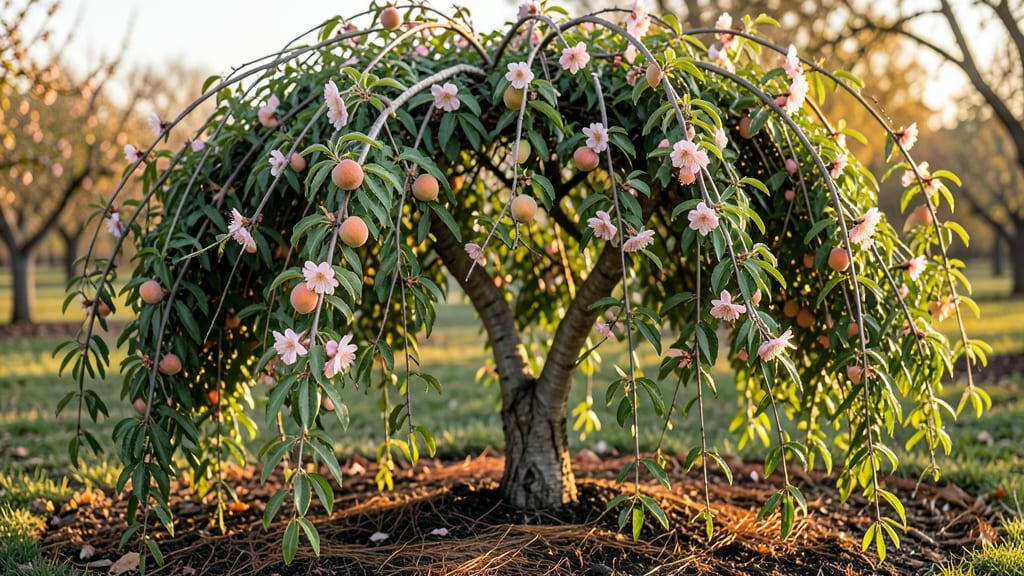
A weeping peach tree full grown reaches 15 to 25 feet tall, its graceful branches arching like a living fountain 🌳—but only if you prune it right from the start.
Picture this: a tree so elegant it looks like a painting, its peaches dangling just within reach, but you’ve missed the pruning window and now the branches are tangled, the fruit sparse, and the whole thing looks like a bird’s nest.
That’s the difference between a stunning centerpiece and a frustrating mess.
This guide covers everything you need to know—from the best time to prune (late winter or early spring) to how to shape those cascading limbs without sacrificing fruit production. We’ll also tackle common mistakes, like over-pruning or ignoring pests, so your tree stays healthy and productive for years.
By the end, you’ll know exactly how to care for your mature weeping peach tree, ensuring it stays lush, fruitful, and full of that signature weeping charm—no guesswork required.
How to prune a weeping peach tree full grown for optimal fruit & form
A weeping peach tree full grown is a stunning centerpiece in any landscape, but its signature cascading branches require precise pruning to maintain both form and fruit production. Unlike upright varieties, these trees grow horizontally, making selective pruning essential to prevent congestion while encouraging abundant blooms and fruit.
The key is balancing structural integrity with fruit-bearing zones—a task that feels like sculpting with nature.
Pruning at the wrong time or using improper techniques can lead to reduced fruit yields, disease susceptibility, or even structural failure. For a weeping peach tree full grown, timing matters most: late winter or early spring, just before bud break, is ideal.
This ensures the tree enters its growing season with a clean slate, ready to focus energy on new growth and fruit development rather than repairing wounds.
Before you begin, gather your tools: sharp bypass pruners, a pruning saw for thicker branches, rubbing alcohol (to sterilize cuts), and pruning sealant (optional, for large wounds). Safety is critical—wear gloves and eye protection, as peach trees can harbor thorns and sharp branches.
Now, let’s dive into the step-by-step process to transform your tree into a thriving, fruit-laden masterpiece.
Step-by-Step Pruning Guide for Weeping Peach Trees
-
Step 1: Remove Dead or Diseased Wood
Start by identifying and cutting out any dead branches (no green beneath the bark) or those with fungal signs (black spots, oozing sap). Use sterilized pruners to avoid spreading disease.
-
Step 2: Thin Out Crossing Branches
Look for branches that cross or rub each other—these create wounds and invite pests. Remove the weaker branch at its base to maintain the tree’s open, airy structure.
-
Step 3: Maintain the Weeping Shape
Preserve the tree’s cascading form by selectively pruning upward-growing branches. Aim to keep the canopy rounded and horizontal, cutting just above a bud or lateral branch.
-
Step 4: Prune for Fruit Production
Focus on fruit-bearing spurs (short stems with clusters of buds). Thin out overcrowded spurs to improve air circulation and fruit size. Leave 3-5 buds per spur for optimal yields.
-
Step 5: Clean Up and Sterilize
After pruning, sterilize tools with rubbing alcohol to prevent bacterial spread. Remove all pruned debris from the base to reduce pests and diseases.
-
Step 6: Apply Pruning Sealant (Optional)
For cuts larger than ½ inch, apply pruning sealant to protect against infection. Skip sealant for small cuts, as they heal faster with open air exposure.
When pruning a weeping peach tree full grown, never remove more than 25% of the canopy in a single session. Over-pruning stresses the tree and reduces fruit production for the season. For mature trees, limit cuts to 10-15% annually to maintain vigor.
Focus on structural branches first—these are the thick, woody arms that define the tree’s shape—before addressing finer details like fruit spurs.
One common mistake is topping the tree (cutting the main trunk flat), which stunts growth and invites rot. Instead, aim for a natural, tapered shape by pruning branches back to their point of origin or a lateral branch.
This encourages strong, upward growth from the center while preserving the weeping silhouette. Think of it as sculpting a living work of art—every cut should enhance the tree’s inherent beauty.
After pruning, monitor your tree closely for signs of stress, such as yellowing leaves or excessive sap flow. If you notice dieback (dead branches extending into live wood), it may signal bacterial canker or fungal infection.
In such cases, sterilize tools again and remove affected branches 6 inches below the damage to prevent spread. A copper fungicide spray can also help protect the tree moving forward.
For weeping peach trees full grown in colder climates (USDA Zones 5-7), prune in late winter (just before buds swell) to avoid late-season frost damage to fresh cuts. In warmer zones, early spring pruning (as blooms fade) works best.
Avoid pruning during active fruit set (late spring), as this can reduce yields by disrupting energy flow to developing fruit.
Finally, pair your pruning efforts with seasonal care to maximize results. After pruning, apply a 2-inch layer of mulch around the base (but not touching the trunk) to retain moisture and suppress weeds.
In late spring, fertilize with a balanced 10-10-10 formula to support new growth and fruit development. With these steps, your weeping peach tree full grown will reward you with years of cascading beauty and bountiful harvests.
🌳
Common pruning mistakes that ruin weeping peach trees (and how to fix them)
Pruning a weeping peach tree full grown is an art that balances beauty and productivity. Unfortunately, even well-intentioned gardeners often make critical errors that weaken the tree or distort its graceful shape.
One of the most common mistakes is pruning at the wrong time, which can stress the tree and invite disease. Timing matters just as much as technique when it comes to maintaining that iconic cascading form.
Another frequent blunder is over-pruning, where gardeners remove too much foliage at once, leaving the tree vulnerable to sunburn and pests. Weeping varieties, in particular, rely on their dense canopy to support fruit and maintain structural integrity.
Cutting back too aggressively can turn your stunning tree into a sad, leggy shadow of its former self.
⚠️ 5 Deadly Pruning Mistakes for Weeping Peach Trees
1. Wrong Timing: Pruning in summer or fall invites fungal infections and weakens new growth. Correct time: Late winter/early spring (before buds swell).
2. Improper Cuts: Leaving stubs or making tear-out wounds slows healing. Fix: Cut at a 45-degree angle ¼" above a bud.
3. Over-Pruning: Removing > 25% of foliage stresses the tree. Solution: Limit cuts to 15-20% annually.
4. Ignoring Disease Signs: Peach leaf curl or bacterial spot often appear after pruning. Action: Sterilize tools and prune infected branches immediately.
5. Neglecting Shape: Letting branches grow unevenly ruins the weeping silhouette. Fix: Prune to maintain balanced cascading layers.
Many gardeners also struggle with improper cut placement, leaving unsightly stubs or creating wounds that heal poorly. A clean cut just outside a bud or branch collar is essential for healthy regrowth.
Skipping this detail can lead to unsightly scars and increased susceptibility to pests. Always use sharp, sterilized tools to make precise cuts—this alone can save your tree from long-term damage.
Another subtle but critical error is ignoring disease signs after pruning. Weeping peach trees are particularly vulnerable to peach leaf curl and bacterial spot, which thrive in damp conditions.
If you notice dark spots on leaves or oozing cankers, act fast by removing affected branches and treating the tree with a copper fungicide. Early intervention can prevent the disease from spreading and ruining your harvest.
Finally, many gardeners forget that maintaining the weeping shape requires ongoing attention. If you let branches grow too long or unevenly, the tree’s signature cascading form will disappear.
To fix this, focus on selective pruning—removing only the longest or weakest branches while preserving the natural flow. This keeps the tree both productive and visually stunning.
With these fixes, your weeping peach tree full grown will thrive for years, producing abundant fruit and breathtaking blooms. Start with small adjustments, and soon you’ll master the art of pruning like a pro! 🌳