
Flowers
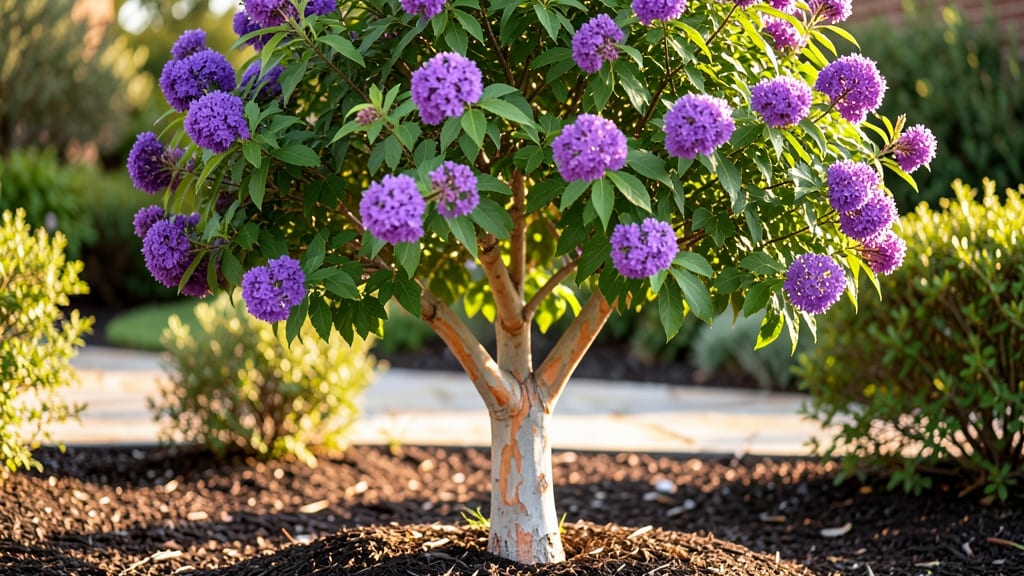
What type of tree has purple flowers? Trees like the Jacaranda, Royal Paulownia, Purple Smoke Tree, and Crape Myrtle feature stunning purple blooms, each offering unique shapes and seasonal displays that transform gardens into vibrant showstoppers.
These trees aren't just about color—they're prized for their fast growth and adaptability. 🌸 Jacarandas, for example, thrive in warm climates and burst into bloom in spring, while Crape Myrtles provide summer-long color with minimal care.
The Royal Paulownia's trumpet-shaped flowers create dramatic focal points, while Purple Smoke Trees add texture with their feathery foliage. Many of these species also attract pollinators, making them eco-friendly choices for any landscape.
What makes these varieties particularly appealing is their versatility.
Most tolerate different soil types and sunlight conditions, though Jacarandas prefer full sun and well-draining soil. 🌿 For gardeners looking to add instant impact, these fast-growing options deliver results within just a few years, often reaching mature heights within 5-10 years depending on the species.
💡 In This Article
- Identifying Purple-Blooming Trees by Season and Climate
- Planting and Caring for Fast-Growing Purple Flower Trees
Identifying purple-blooming trees by season and climate
The timing of purple blooms varies dramatically by species and climate. Jacarandas, for instance, are springtime stars in zones 8-11, bursting into lavender-blue clouds from February to April when temperatures consistently stay above 50°F.
Their flowering triggers coincide with warm nights and sunny days, which is why they thrive in Southern California or Florida landscapes. In contrast, Royal Paulownia trees bloom in late spring to early summer (May-June) across zones 5-9, producing trumpet-shaped purple flowers that open sequentially over 2-3 weeks.
Crape Myrtles offer summer-long color (June-August) in zones 5-9, with their lilac-to-purple clusters lasting 6-8 weeks when given full sun (6+ hours daily). Their flowering mechanism is fascinating—they produce flowers on new wood, meaning aggressive pruning can actually increase next year's bloom production.
Purple Smoke Trees, native to the Mediterranean, bloom in late spring (April-May) in zones 7-9, with their feathery purple flowers creating a dramatic 6-foot-tall cloud that lasts 3-4 weeks.
Climate plays a critical role in determining which species will thrive. Jacarandas, for example, cannot tolerate frost—their delicate blooms will drop if temperatures dip below 30°F. This makes them perfect for coastal regions but unsuitable for northern gardens.
Royal Paulownia trees, however, are more adaptable, handling -10°F temperatures when established, though their growth slows dramatically in colder zones. The key factor is matching the tree's native climate to your growing conditions.
Sunlight requirements create another layer of complexity. While Jacarandas demand full sun (8+ hours daily) to produce their signature blooms, Crape Myrtles can tolerate partial shade (4-6 hours), though their flower production may be 30-50% less vibrant.
Purple Smoke Trees prefer well-draining soil and morning sun to prevent fungal issues, demonstrating how even purple-flowering trees have specific needs that must be met for optimal performance.
Seasonal blooming patterns also affect garden planning. If you want year-round purple color, combining Jacaranda (spring) with Crape Myrtle (summer) creates a 4-month flowering window. The Royal Paulownia's dramatic trumpet-shaped blooms make it ideal for late spring events, while Purple Smoke Trees provide early spring interest before other perennials emerge.
Understanding these timing differences lets you design a garden that maintains visual interest throughout the growing season.
What most gardeners overlook is how soil pH influences flower intensity. Jacarandas prefer slightly acidic to neutral soil (pH 6.0-7.0), while Crape Myrtles thrive in slightly alkaline conditions (pH 6.0-7.5). Testing your soil before planting can mean the difference between vibrant purple blooms and pale, weak flowers.
A simple pH test kit ($10) provides all the data you need to optimize conditions for these stunning purple-flowering trees.