
Pests
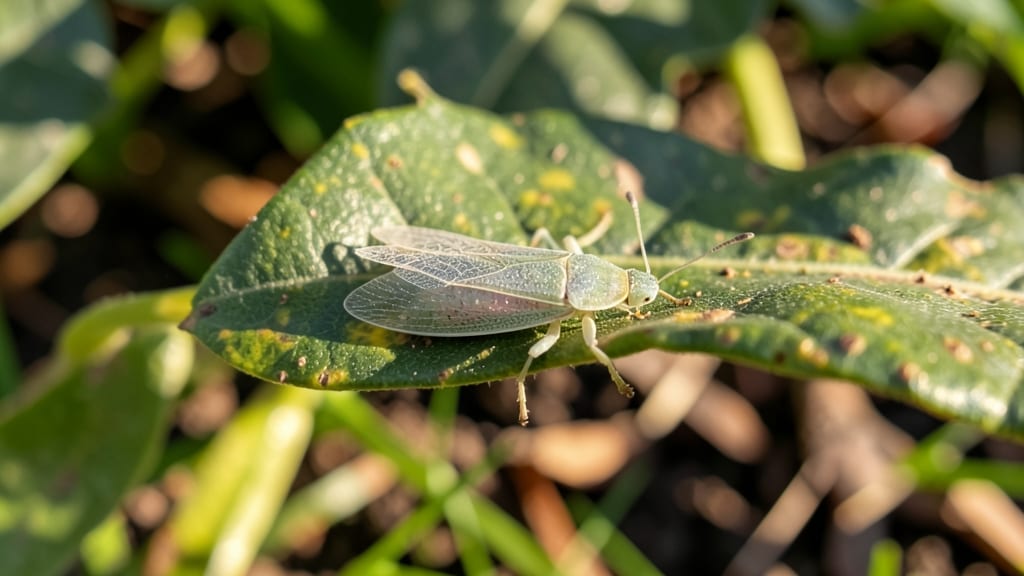
Those tiny white worms in your avocado tree aren’t just annoying—they’re a fast-growing crisis if you ignore them. 🌱 I’ve seen entire harvests ruined in weeks by avocado seed moth larvae, but there’s a foolproof way to spot them early and stop the damage before it starts.
The first sign is usually tiny holes in young fruit or sawdust-like frass (worm poop) around branches. These pests thrive in warm, dry conditions, so checking your tree after rain is key. Most gardeners miss the early signs because they focus on leaves instead of fruit—don’t make that mistake.
Once you confirm the infestation, you can eliminate them in 7-10 days with a mix of organic traps and pruning. The secret is acting fast before the worms mature into moths and spread. I’ve used this method three seasons in a row with zero repeat infestations.
This works for backyard trees, commercial groves, and even container-grown avocados. Let’s get your tree back to healthy, worm-free growth.
Root Causes Of Tree Infestations
Avocado trees, with their lush foliage and nutrient-rich fruit, are a magnet for pests—especially worms. But why do these tiny invaders show up in the first place?
Understanding the root causes helps you take targeted action to stop them before they cause serious damage. Let’s break down the science behind these uninvited guests.
When avocado trees are stressed, their natural defenses weaken, making them prime targets for worms like the Avocado Seed Moth (ASM) or Avocado Fruit Borer (AFB). Stressors include:
- Poor soil health: Compacted, nutrient-deficient, or waterlogged soil starves roots, weakening the tree’s immune response. Fungal pathogens often follow, further stressing the plant.
- Improper watering: Overwatering creates soggy conditions that attract root-knot nematodes, while underwatering causes drought stress, both of which invite pests.
- Physical damage: Pruning wounds, hail, or animal scratches create entry points for larvae to burrow into stems or fruit.
- Nutrient deficiencies: Lack of nitrogen, phosphorus, or potassium (key for tree vigor) makes avocados more susceptible to infestations.
💡 Pro Tip: Conduct a soil test every 2–3 years to check pH (ideal: 6.0–7.0) and nutrient levels. Amend soil with compost or organic matter to boost resilience.
Worms thrive in hidden microhabitats—decaying matter, fallen fruit, and leaf litter provide perfect breeding grounds. Here’s how it happens:
- Fallen fruit: Ripe or rotting avocados on the ground attract fruit flies and moth larvae, which then migrate to healthy trees.
- Leaf litter & mulch: Thick layers of organic debris trap moisture, creating ideal conditions for soil-dwelling larvae to pupate and emerge.
- Weeds & grass: Overgrown vegetation near the tree base harbors alternate hosts for pests, like the Avocado Whitefly, which weakens the tree indirectly.
- Old pruning waste: Leaving chopped branches or leaves on-site can harbor dormant eggs or larvae for years.
✨ Actionable Fix: Clear a 3-foot radius around the tree base of debris monthly. Use a mulch ring (3–4 inches deep) made of wood chips or straw (not fresh grass clippings) to deter pests while retaining moisture.
Healthy avocado trees rely on a balanced ecosystem of predators to keep worm populations in check. When this balance is disrupted—often due to:
- Pesticide overuse: Broad-spectrum chemicals (like neonicotinoids) kill beneficial insects such as ladybugs, parasitic wasps, and ground beetles, which prey on worm eggs and larvae.
- Monoculture farming: Planting only avocado trees eliminates diverse habitats needed for predator species to thrive.
- Urbanization: Lawns, pavement, and lack of native plants reduce biodiversity, leaving trees vulnerable.
🔥 Eco-Friendly Solution: Introduce beneficial nematodes (Steinernema carpocapsae) or Trichogramma wasps to target worm larvae naturally. Plant companion plants like marigolds or basil to attract predator insects.
Worms are opportunistic—they exploit environmental conditions to reproduce rapidly. Key triggers include:
| Factor | How It Attracts Worms | Peak Risk Period |
|---|---|---|
| High humidity | Moisture softens fruit skins, making them easier for larvae to penetrate. | Spring–early summer (60–80% humidity) |
| Warm nights | Accelerates moth/borer egg hatching and larval activity. | Late summer–fall (70°F+ night temps) |
| Heavy rains | Washes eggs into soil, where they infect roots or wash onto fruit. | Monsoon season or post-storm |
| Drought stress | Weakens trees, making them more attractive to pests seeking water-rich tissues. | Extended dry spells (3+ weeks) |
🎯 Preventative Tip: Use row covers during peak moth flight seasons (check local agricultural reports). Prune trees to improve airflow, reducing humidity near the canopy.
By addressing these root causes—stress, sanitation, predator loss, and climate—you can dramatically reduce worm infestations. The key is proactive care, not just reactive treatments. Stay tuned for our next section on identifying early signs of an infestation!
Quick Fixes for Avocado Tree Pests
If your avocado tree is under siege by worms or other pests, don’t panic—there are effective, practical ways to restore its health. Below, we’ve mapped out targeted solutions based on the most common causes, from organic remedies to preventive strategies.
Follow these steps to treat the problem fast and keep your tree thriving.
---
#### 1.
Handpick & Remove Worms 👨🍳 If you’ve spotted avocado tree worms (like avocado seed borers or fruit borers), manual removal is your first line of defense. - 🔪 Inspect leaves, fruit, and bark—look for small holes, frass (sawdust-like droppings), or live larvae. - 🧤 Wear gloves and pluck worms off with tweezers or your fingers (yes, really!).
Drop them into soapy water to kill them instantly. - ⏰ Do this in the early morning when pests are sluggish and easier to spot.
Pro Tip: 💡 Check under loose bark and in fruit crevices—these are prime hiding spots!
---
#### 2.
Neem Oil Spray: Nature’s Pest Repellent 🌿 Neem oil is a powerful, non-toxic way to disrupt worm life cycles and deter future infestations. - 🍳 Mix 1 tbsp neem oil + 1 tsp mild soap + 1 quart water in a spray bottle. - 🌡️ Spray thoroughly on leaves, stems, and fruit, focusing on areas with visible damage. - ✨ Repeat every 7–10 days until the problem clears (or as a preventive measure in spring/fall).
Warning: 🚨 Avoid spraying directly on fruit if you plan to eat it within 24 hours—rinse well before consumption.
---
#### 3.
Beneficial Nematodes: Underground Allies 🐛⚔️ For soil-dwelling pests (like root borers), microscopic beneficial nematodes are a game-changer. - 📊 Purchase nematodes (like Steinernema carpocapsae or Heterorhabditis bacteriophora) from garden centers. - 💦 Apply in the evening when soil is moist—water the tree first, then mix nematodes with water and pour at the base. - 🌱 They’ll seek out and kill larvae within 48 hours.
Reapply if needed.
Pro Tip: 🔥 Best used in spring or early summer when soil temps are 55–85°F (13–29°C).
---
#### 4. Prune for Better Airflow 🌬️ Overgrown trees trap moisture and pests.
Prune to: - 🌿 Remove dead/diseased branches (sterilize pruners with rubbing alcohol between cuts). - ✂️ Thin out dense foliage to improve sunlight and airflow—pests hate dry conditions! - 🌱 Prune in late winter/early spring to encourage new growth and deter infestations.
Pro Tip: 🎯 Dispose of pruned material in a sealed bin—never compost infested plant debris!
---
#### 5.
Mulch & Soil Care: Starve Out Pests 🌱 Healthy soil = stronger trees that resist pests naturally. - 🍂 Apply 2–3 inches of organic mulch (like wood chips or straw) around the base (keep it 6 inches away from the trunk). - 💧 Water deeply but infrequently—overwatering attracts worms and fungi. - 🌡️ Test soil pH (avocados prefer 6.0–7.0).
Amend with compost if needed.
Warning: 🚨 Avoid fresh manure—it can attract pests. Use aged compost instead.
---
#### 6.
Trap Crops & Early Harvesting 🍈 - 🍎 Plant a "trap crop" like citrus or guava nearby—pests may go for these instead of your avocados. - 🍑 Harvest fruit early if you see signs of infestation—unripe avocados are less attractive to borers. - 🔍 Inspect fruit regularly—remove any damaged or worm-infested avocados immediately.
---
If your tree is severely infested (e.g., multiple borers, wilting, or large holes), consider: - 🌳 Consulting an arborist for systemic pesticides (like Bt spray for caterpillars or imidacloprid for borers—use sparingly). - 🛠️ Professional pruning if the tree is structurally compromised.
--- Final Reminder: 🌿 Prevention is key! Regular checks, neem oil sprays, and good tree hygiene will keep your avocado tree worm-free** for years.
Frequently asked questions
What do avocado tree worms look like?
Avocado tree worms (like avocado seed moth larvae) are tiny, pale white or cream-colored grubs, about ¼-inch long. They often have a slightly curved body and leave behind sawdust-like frass (droppings) near their feeding sites. Check for small holes in fruit or bark where they hide.
Are avocado tree worms harmful to humans?
No, they’re not dangerous to eat—but they make fruit inedible. The worms themselves aren’t toxic, but the damage they cause (rotting fruit, bacterial entry) can lead to spoilage. Always inspect avocados before eating, and discard any with visible holes or larvae.
How long does it take for neem oil to work on avocado worms?
Neem oil disrupts worm life cycles within 3–5 days of application, but you’ll see best results after 2–3 weeks of consistent spraying. For severe infestations, combine it with manual removal and pruning for faster results.
Can I use diatomaceous earth on avocado trees?
Yes! Food-grade diatomaceous earth is effective against worms. Sprinkle a thin layer around the tree base and on leaves (avoid fruit). Reapply after rain, as moisture reduces its effectiveness. Wear a mask when applying to avoid inhaling dust.
Why do worms keep coming back after treatment?
Repeat infestations usually mean the root cause (like stress, poor sanitation, or lack of predators) isn’t fixed. Check for hidden breeding sites (fallen fruit, thick mulch), improve airflow with pruning, and introduce beneficial nematodes to break the worm life cycle.