
Pruning
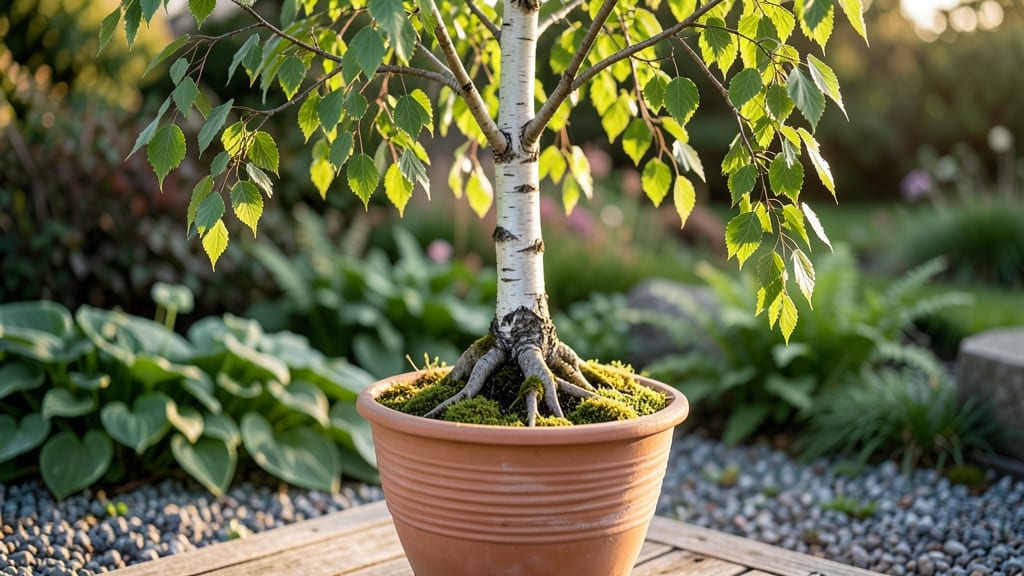
Growing a birch tree in a pot lets you enjoy its graceful branches and peeling bark anywhere—even on a tiny balcony. 🌿 The key is choosing the right container size and soil mix to keep roots happy while mimicking their natural woodland conditions.
My first attempt with a shallow pot failed spectacularly, but after switching to a deep, airy container with proper drainage, the tree thrived for years.
Start with a 15-20 gallon container (at least 18 inches deep) to give roots room to spread without circling. Use a well-draining mix of 60% potting soil, 30% perlite, and 10% compost—birch trees hate soggy feet.
The pot material matters too: fabric grow bags prevent root binding better than plastic, and terracotta helps regulate moisture in hot climates.
Place your potted birch where it gets full sun to partial shade (6+ hours of light daily). Water deeply when the top 2 inches of soil dry out, but never let it sit in water—root rot is a silent killer.
Prune in late winter to remove dead branches and shape the tree, but avoid heavy cuts that stress young specimens.
Seasonal care is where most people trip up: move containers indoors before 25°F temps, and reduce watering in winter when growth slows. With the right setup, your potted birch can live 10+ years, rewarding you with that iconic bark texture and delicate foliage—no yard required.
📚 In This Guide
- What you need
- Instructions
- Tips and common mistakes
- Wrapping up and next steps
What you need
- ● Container: A drainage-heavy pot (12–18 inches in diameter) with drainage holes. Choose from: Ceramic or terracotta (breathable, classic look)
- ● Fiberglass (durable, lightweight)
- ● Avoid plastic unless it’s high-quality, breathable (risk of root rot).
- ● Potting Mix: 1 part high-quality potting soil (e.g., Miracle-Gro or FoxFarm)
- ● 1 part perlite or pumice (for aeration, 2–3 cups)
- ● 1 part sand or grit (improves drainage, 2–3 cups)
- ● Birch Tree Sapling: Dwarf or paper birch (Betula papyrifera) variety (best for pots)
- ● Healthy, 1–3 years old (smaller roots = easier transplanting)
- ● Tools: Trowel or small shovel (for planting)
- ● Gloves (to protect hands from sap and soil)
- ● Watering can with a rose attachment (gentle watering = happy roots!)
- ● Mulch: Pine bark or coconut coir (1–2 inches) to retain moisture.
- ● Fertilizer: Slow-release balanced fertilizer (10-10-10) or organic options like worm castings.
- ● Decorative Elements: Gravel or pebbles for a polished look.
- ● Support Stake: If your birch is top-heavy, a lightweight bamboo stake can help.
- ● Pot Feet or Saucer: To protect surfaces and prevent water spills.
Instructions for growing a birch tree in a pot
Here’s how to cultivate a birch tree’s delicate beauty in containers while keeping it healthy and compact.
🪴 Step 1: Select the Right Container and Drainage
Choose a container at least 18 inches deep with drainage holes—birch trees have extensive root systems that need room to spread. I prefer glazed ceramic or high-quality plastic pots because they retain moisture while preventing root rot. The pot should be 2-3 times wider than the root ball of your young birch tree to accommodate growth without crowding.
Line the bottom with 2-3 inches of gravel or broken pottery shards to create a drainage layer. This prevents water from pooling at the roots, which birch trees hate. If your pot doesn’t have drainage holes, drill them yourself—birch roots suffocate in soggy soil. Place the pot in a saucer or tray to catch excess water and keep your growing space tidy.
🌱 Step 2: Prepare the Soil Mix for Optimal Growth
Birch trees thrive in well-draining, slightly acidic soil with a pH between 5.0 and 6.5. Mix 60% high-quality potting soil with 30% perlite or coarse sand and 10% peat moss to improve aeration and moisture retention. This blend prevents compaction, which can strangle roots in containers.
Fill the pot about one-third full with your soil mix, then gently loosen the root ball of your birch tree before placing it in the center. The top of the root ball should sit 1-2 inches below the pot’s rim to allow for watering and future mulch. Tap the pot lightly to settle the soil around the roots, ensuring no air pockets remain.
☀️ Step 3: Position for Light and Protect From Harsh Elements
Birch trees love full sun to partial shade, with at least 6 hours of direct sunlight daily. Place your potted birch in a spot that gets morning sun and afternoon shade if you’re in a hot climate—this prevents leaf scorch. I’ve found that east-facing windows or lightly shaded patios work best for container-grown birches.
Protect your tree from strong winds, which can dry out the soil and stress the plant. If you’re growing outdoors, move the pot to a sheltered area during storms. In winter, wrap the pot in burlap or frost cloth to insulate roots from freezing temperatures. Watch for yellowing leaves in winter—this often signals root stress from cold.
💧 Step 4: Water and Fertilize for Healthy Growth
Water your potted birch deeply once a week, allowing water to drain completely through the pot. Check the soil’s moisture by sticking your finger 2 inches deep—if it feels dry, it’s time to water. Overwatering is the biggest mistake with container birches; soggy soil leads to root rot and leaf drop.
Feed your tree with a balanced, slow-release fertilizer (10-10-10 or similar) in early spring and again in midsummer. Avoid high-nitrogen fertilizers—they promote leafy growth at the expense of trunk strength. Prune any dead or crossing branches in late winter to encourage a strong, elegant form. You’ll notice new growth emerging from the tips of branches after pruning—that’s your cue to step back and admire the progress.
Tips & tricks for perfect birch tree in pot cultivation
Here's the thing about birch trees in containers—they're forgiving but demand attention to detail. These insights will help you avoid common pitfalls and create ideal growing conditions for your elegant small-space tree.
Container Size Matters: While the instructions specify an 18-inch deep pot, I've found that adding 2-3 extra inches of depth (making it 21-22 inches) gives roots more room to establish without needing repotting for several years. The wider-than-deep ratio (2-3 times the root ball width) is critical—this prevents root circling, which can stunt growth. If you're working with a smaller pot, consider pruning some surface roots during repotting to encourage deeper root development.
Soil Science Secret: The 60-30-10 soil mix is perfect, but here's what nobody tells you about the peat moss: it breaks down quickly. To extend its effectiveness, mix in 5% composted pine bark (optional) which adds organic matter that improves water retention without compacting. Test your soil's pH every 6 months—birches are sensitive to shifts above 6.5. If needed, add sulfur-based amendments to maintain that ideal 5.0-6.5 range.
Light Positioning Strategy: That 6-hour sunlight requirement is non-negotiable, but here's my pro tip: rotate your pot quarter-turn every 2 weeks. This prevents the tree from leaning toward the light source, creating that perfect symmetrical form. In winter, supplement with a grow light if natural light drops below 4 hours daily—birches need that light to produce energy for spring growth. Watch for pale yellow leaves on the upper side; that's your cue to move the tree or add more light.
Watering Wisdom: The "once a week" guideline works for average conditions, but container birches are thirsty. In summer heat, you might need to water every 4-5 days—always check that 2-inch deep moisture level. Here's a trick: use a moisture meter instead of guessing. The real secret? Water thoroughly until it drains from the bottom, then empty the saucer after 10 minutes. Standing water in saucers creates the same root suffocation problem as poor drainage.
Pro Tips for Birch Tree In Pot
- Here's the thing about birch trees in containers—they're forgiving but demand attention to detail. These insights wil...
- Container Size Matters: While the instructions specify an 18-inch deep pot, I've found that adding 2-3 extra inches o...
- Soil Science Secret: The 60-30-10 soil mix is perfect, but here's what nobody tells you about the peat moss: it break...
Frequently asked questions
Got questions about growing a birch tree in a pot?
You’re not alone! Here are answers to the most common concerns—from care tips to troubleshooting—so you can keep your compact birch thriving in small spaces.
Can a birch tree really grow well in a pot long-term?
Yes! While birch trees are typically tall, dwarf varieties like Betula pendula ‘Fastigiata’ or Betula nigra ‘Cully’ thrive in containers for years. Just ensure the pot has drainage holes, use well-draining soil, and repot every 2–3 years. Root-bound trees may slow growth, so monitor roots and prune gently if needed.
How often should I water a potted birch tree?
Water when the top 1–2 inches of soil feel dry (about once a week in summer, less in winter). Overwatering is risky—birch roots rot easily! Use a moisture meter for precision, and reduce watering in fall/winter. Pro tip: Add mulch to retain moisture without soggy soil.
Will my potted birch survive winter outdoors?
Hardy birch varieties (like Betula papyrifera) tolerate cold, but young or delicate species need protection. Wrap the pot in burlap, add insulation (like foam boards), and place it in a sheltered spot. Avoid freezing soil—lift pots if temps drop below 10°F (-12°C). Evergreen mulch helps too!
What’s the best alternative if my birch struggles in a pot?
Try these compact, cold-hardy trees for containers:
- Japanese maple (Acer palmatum) – Stunning foliage, slow growth.
- Dwarf Korean lilac (Syringa meyeri) – Fragrant and low-maintenance.
- Dwarf conifers (Picea glauca ‘Conica’) – Year-round greenery.
Why are my birch leaves turning yellow or brown?
Yellow leaves often signal overwatering or nutrient deficiency. Brown edges? Check for underwatering or salt buildup (flush soil with water). Pests like aphids or spider mites can also cause stress—spray with neem oil if you spot them. Pro tip: Test soil pH (birch prefers 5.0–7.0); amend with compost if needed.
Wrapping up and next steps
Growing a birch tree in a pot is a rewarding way to bring nature’s elegance into small spaces—whether you’re a beginner or a seasoned gardener! With the right container, soil, and care, you can enjoy its graceful branches and vibrant foliage year after year.
Remember, regular pruning, proper drainage, and seasonal adjustments are key to keeping your potted birch thriving.
Ready to transform your balcony, patio, or indoor oasis? Start small—choose your pot, prep the soil, and give your birch tree the love it deserves. Happy planting! 🌿✨